95% Growth: How Spanish Exports Fuel Global Trade Today
"Tradition meets trade: Spain has transformed its ancient fields into a high-velocity economic engine that feeds much of the world."
Spain’s agricultural sector is no longer just a collection of family farms; it is a sophisticated, export-driven powerhouse that serves as a cornerstone of the national economy.
* Agribusiness exports represent a massive share of Spain's total trade, historically exceeding 15% of all exports. * A historic boom period saw agribusiness exports grow by 95%, driven largely by pork, wine, and olive oil. * The sector acts as a vital stabilizer for the national GDP, providing consistent economic momentum.
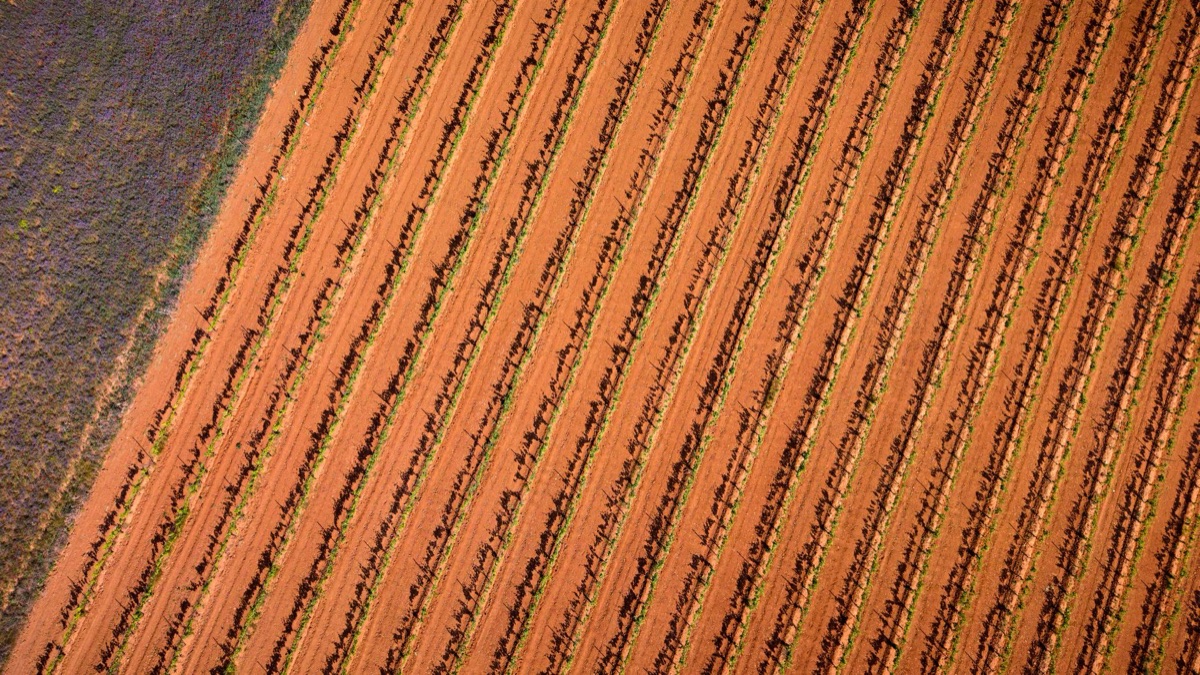
How Vital is Spanish Agribusiness to the National Economy?
A dusty tractor idling in a sun-drenched grove in Andalusia might look like a scene from a bygone era, but the numbers behind that machine tell a story of aggressive global expansion.
According to the OECD, in 2015 agribusiness exports accounted for 3% of GDP and over 15% of the total Spanish exports.
In 2015, agribusiness exports were valued at slightly over 40 billion euros, which accounted for 3% of the national GDP and over 15% of the total Spanish exports, according to Wikipedia. This wasn't just a steady climb; it was a period of explosive growth.
Between 2004 and 2014, Spain's agribusiness exports surged by 95%, a boom fueled primarily by the global demand for pork, wine, and olive oil.
This growth trajectory shifted the perception of Spanish farming from a local necessity to a global player. When a sector grows that rapidly, it doesn't just fill coffers; it builds infrastructure, creates specialized jobs, and integrates the country more deeply into the global supply chain.
| Metric | Historical Context/Value |
|---|---|
| 2015 Agribusiness Export Value | Slightly over 40 billion euros |
| 2015 Share of Total Spanish Exports | Over 15% |
| 2004-2014 Export Growth Rate | 95% |
The relationship between these exports and national health is clear: when these high-demand goods move across borders, they provide a buffer against domestic economic shifts. But how exactly did specific products dominate the world stage?
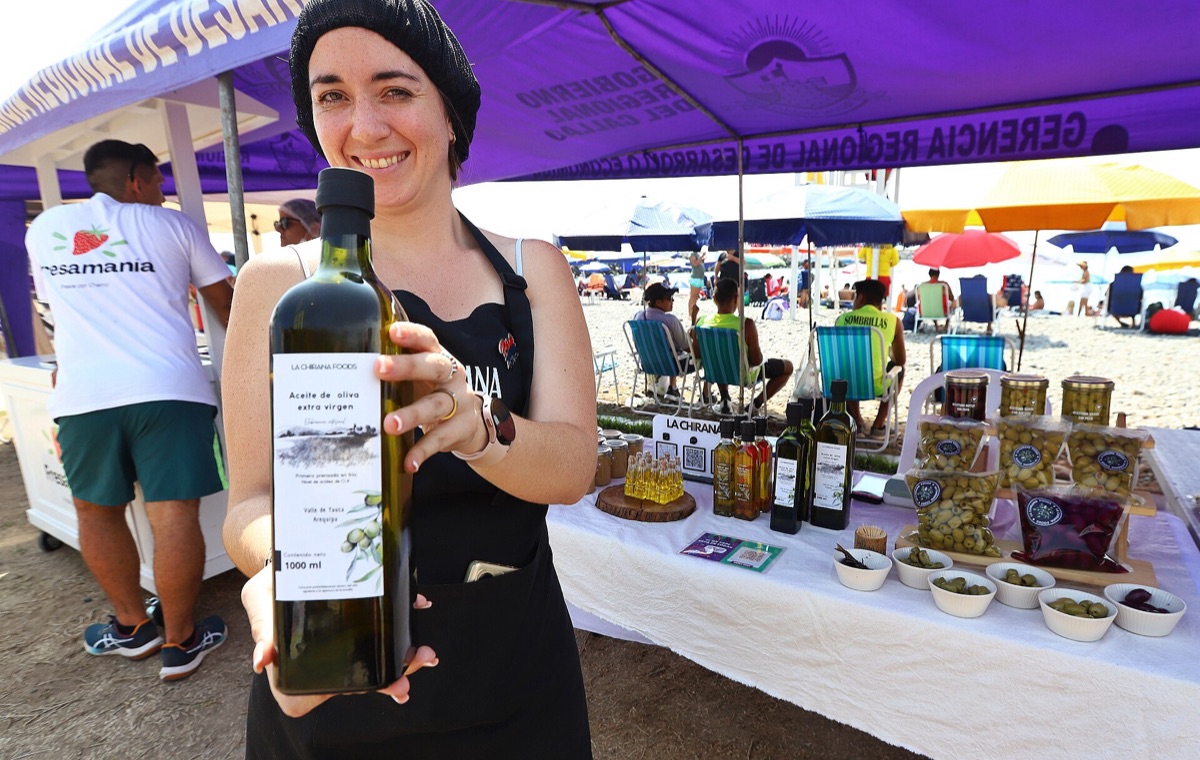
Why do olive oil and wine rule the global market? Walking through a Mediterranean grove, the heavy scent of ripening olives often masks the high-tech logistics happening just behind the scenes.
The 95% growth spurt mentioned previously was not accidental; it was driven by specific, high-value commodities. While many countries produce food, Spain mastered the art of scaling specific luxury and staple goods like pork, wine, and olive oil to meet global appetite.
Olive oil, in particular, has maintained a dominant position in global markets, often serving as a benchmark for quality and volume. The combination of these specific products allowed Spain to establish a recognizable "brand" in grocery aisles from New York to Tokyo.
This market penetration ensures that even as global tastes shift, the fundamental demand for Spanish Mediterranean staples remains a constant driver of trade. However, the sheer scale of this success requires a massive economic foundation to support it.
What makes Spain's economy so strong? A quiet morning in a Madrid boardroom might feel worlds away from a vineyard, yet the two are inextricably linked by the country's trade performance.
Spain has long maintained a significant presence in the global arena. During a notable period of trade expansion, among 70 members of the World Trade Organization—whose combined economies represent 90% of global GDP—Spain was the country whose exports had grown the most, according to Wikipedia.
This ability to outpace peers in trade growth highlights a versatile economy. While sectors like construction have historically played roles in peak years, the steady hand of trade-led growth provides a more sustainable foundation.
This historical momentum has allowed Spain to integrate deeply into the European economic fabric, moving from a regional player to a global trade leader. But as the world changes, the methods used to grow these goods must also evolve.
Navigating Modernization and Sustainability in Spanish Agriculture
A farmer checks a digital sensor in a field, looking at a smartphone screen to decide when to irrigate, blending ancient soil with cutting-edge data.
Modernization is the quiet engine behind these export numbers. It isn't just about planting seeds; it is about high-tech integration. For instance, in 2024, Spain recorded a high-technology share of manufactured exports of 9.3%, according to World Bank data.
While this covers various sectors, the precision required in modern agribusiness—from automated sorting to advanced irrigation—mirrors this high-tech push.
Sustainability also plays a role in how these products reach the world. With a renewable energy share of final consumption reaching 19.0% in 2021, according to World Bank data, there is an increasing overlap between energy transition and the operational costs of large-scale farming.
Balancing these high-tech, high-energy needs with traditional land management is the current frontier for Spanish producers. This leads to a complex set of requirements for staying competitive.
How to Navigate the Modern Export Landscape
When I traveled through the agricultural hubs of the south, I noticed that the most successful operations weren't just the largest, but the most organized. They followed a specific rhythm to maintain their global standing.
To maintain a competitive edge in the global market, producers often follow a rigorous operational framework:
- Resource Optimization: Implementing precision irrigation and soil monitoring to manage water and fertilizer use.
- Quality Standardization: Ensuring every batch of olive oil or wine meets strict international export certifications.
- Logistics Integration: Coordinating with global shipping and cold-chain providers to minimize transit time and spoakage.
- Market Diversification: Moving beyond traditional European markets to capture growing demand in Asia and the Americas.
- Sustainability Compliance: Adopting renewable energy and waste reduction techniques to meet evolving global environmental standards.
This structured approach is what allows a single harvest to reach a supermarket halfway across the world while remaining profitable.
The Global Trade Footprint: Spain’s Role in International Markets
A massive cargo ship pulls out of a Spanish port, its containers stacked high with the fruits of the nation's fertile lands, heading toward distant continents.
The scale of Spain's trade activity is a testament to its strategic importance. The ability to grow exports so rapidly—as seen in the 95% growth period—demonstrably shows how a nation can leverage its natural resources to secure a seat at the global table.
With a trade-heavy economy, Spain's stability is often tied to its ability to maintain these export corridors. The transition from a domestic-focused economy to an export-led powerhouse has created a footprint that is felt in every corner of the global food market.
It is important to note that this economic model is not without its vulnerabilities. Over-reliance on specific commodity markets and the volatility of global shipping costs can create significant risks for the national economy.
#






Comments 0