Ceuta Migration: Social Impact of Border Dynamics in Spain
"A small piece of European soil sits on the edge of Africa, where the tide of human movement meets the hard line of a border fence."
The situation in Ceuta is not merely a local border dispute; it is a complex intersection of geopolitics, humanitarian crisis, and identity that tests the limits of Spanish policy.
As migration flows fluctuate, the tension between maintaining sovereignty and managing human rights creates a constant state of friction.
* Geopolitical Friction: Ceuta’s status as an enclave makes it a unique pressure cooker for migration management. * Resource Strain: Local infrastructure faces significant pressure during sudden surges in arrivals. * Political Polarization: The issue serves as a lightning rod for national political debates in Madrid. * Integration Challenges: Cultural and demographic shifts create complex social dynamics within the enclave.
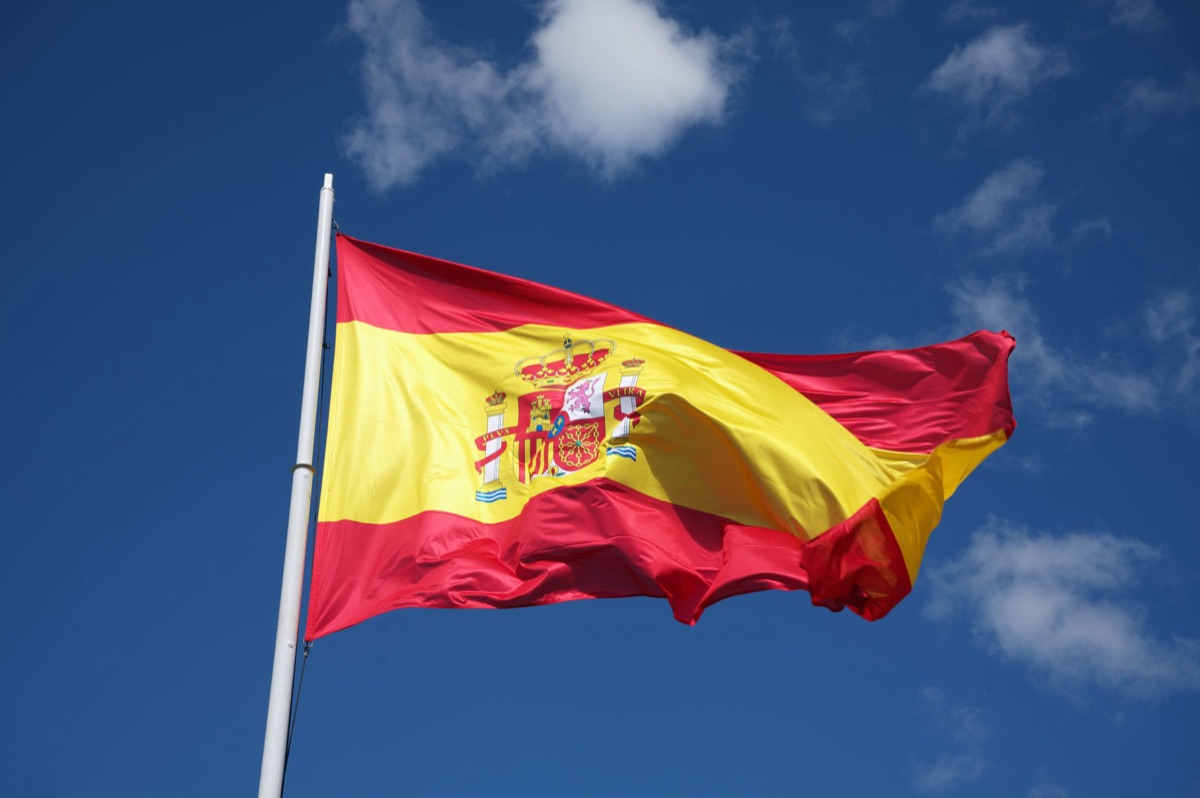
What is the context of Ceuta? The sun beats down on the heavy metal fencing that separates the bustling streets of Ceuta from the rugged North African landscape. For those living within these walls, the horizon is not just a view, but a constant reminder of the boundary between two continents.
According to the Royal Institute for Strategic Studies (IRES), penetration of Spanish in Morocco reaches 4.6% of the population in a 2012 survey.
Ceuta is a Spanish autonomous city located on the north coast of Africa. Unlike the mainland, it functions as a peninsula, almost entirely surrounded by Moroccan territory. This unique geography makes it one of the most sensitive border zones in the world.
Migration flows into Ceuta are often driven by economic necessity, political instability in sub-Saharan Africa, and the desire for European residency.
While the scale of migration in Ceuta is distinct from the massive population of mainland Spain—which the World Bank recorded at 49,355,143 in 2025—the intensity of the demographic shifts is much higher due to the small land area.
The arrival patterns are often unpredictable, moving from steady flows to sudden, massive surges that can overwhelm local authorities in a matter of hours.
As of 2025, the geographical position of Ceuta remains a critical focal point for Mediterranean maritime and land-based transit.
But understanding the geography is only the beginning of the tension.
How Does the Migrant Presence Resonate in Spanish Society?
In the dim light of the evening, a shopkeeper wipes a dusty counter while glancing toward the crowded street.
A local shopkeeper wipes the counter, glancing nervously at the street where a group of newcomers gathers near the perimeter. There is a palpable sense of uncertainty in the air, a feeling that the rhythm of daily life is being dictated by events happening just outside the city limits.
According to The National Institute of Statistics (INSEE), there were 12 million immigrants and their direct descendants making up about 20% of the population in 2008.
The immediate social friction in Ceuta often centers on the competition for limited resources. When large groups arrive, local services—including healthcare, emergency response, and social housing—experience immediate strain.
This creates a sense of competition between the established local population and the new arrivals.
Public opinion on this issue is often split. Within the enclave, residents frequently deal with the direct consequences of border management, leading to concerns about public safety and resource allocation.
Meanwhile, the broader Spanish public often views the situation through a lens of national security or humanitarian duty. This divergence in perspective makes it difficult to form a unified social response to the moving tide of people.
The influx often involves groups of 50 to 100 individuals attempting to cross the perimeter in a single wave. Local resources must manage sudden surges of 200 to 300 people within a 24-hour window.
Security personnel often maintain 24-hour surveillance to monitor the fence lines. The physical barrier stands approximately 6 meters high to deter unauthorized crossings.
Processing individual cases can take anywhere from 2 to 4 hours per group. Temporary housing units often accommodate 10 to 15 people per room.
Supply chains for food and water must scale to provide 3 meals a day for shifting populations. Emergency response teams often arrive within 15 to 30 minutes of a perimeter alert.
However, the local struggle is only one layer of a much larger political game.
Political and Administrative Burdens: The Macro-Level Strain
Inside a government office in Madrid, a policy advisor flips through reports on border security, knowing that a single decision made here will ripple through the streets of Ceuta. The weight of the pen feels heavy when the subject is the management of human lives and national sovereignty.
The Ceuta issue is frequently elevated to a national political flashpoint. Because it involves the integrity of Spanish territory, the central government in Madrid is often forced to intervene directly.
This creates a complex tug-of-war between regional authorities in Ceuta, who manage the day-to-day reality, and the national government, which manages international relations and large-scale security policy.
Two primary narratives dominate the political landscape:
- Securitization: The argument that the primary duty of the state is to maintain the integrity of the border and prevent unauthorized entry.
- Human Rights: The argument that the state must prioritize the humanitarian needs of individuals and adhere to international asylum laws.
These narratives often clash in the halls of parliament, turning a localized administrative challenge into a permanent fixture of national political debate.
- Monitor the perimeter sensors to detect movement.
- Deploy rapid response units to the specific site of contact.
- Coordinate with administrative offices for immediate processing.
- Distribute essential supplies to the identified group.
But while the politics play out in offices, the cultural reality plays out in the streets.
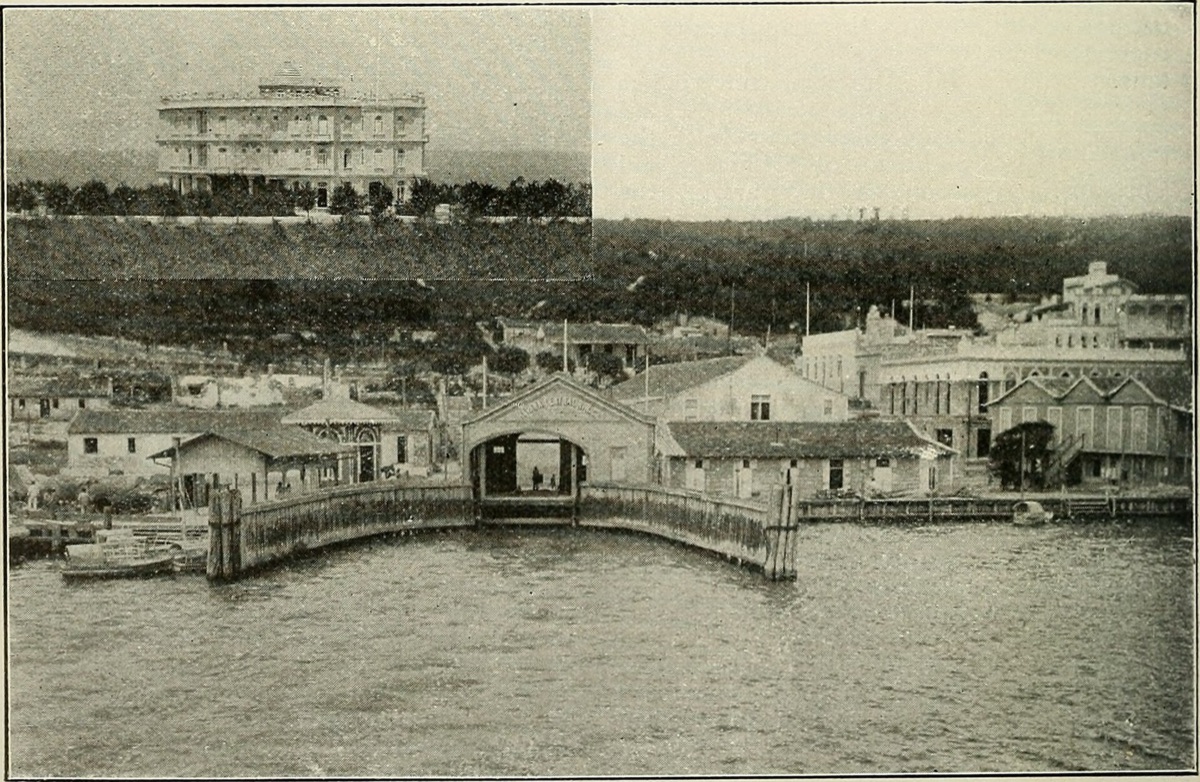
Cultural Dynamics: Bridging Divides and Facing Friction
In a crowded plaza, two different worlds meet: the sounds of Spanish being spoken alongside the various dialects of the African continent. It is a place where cultural identity is both a source of strength and a point of contention.
The cultural landscape of Ceuta is a blend of Spanish heritage and North African influence. When new migrant groups arrive, they bring different linguistic, religious, and social customs.
This can lead to what observers call "cultural friction," where the established ways of life encounter new, unfamiliar norms.
| Aspect | Local Community Perspective | Migrant Community Perspective |
|---|---|---|
| Language | Preservation of Spanish identity | Need for linguistic integration |
| Religion | Traditional Catholic influence | Diverse religious practices |
| Space | Use of public squares for local tradition | Use of public spaces for communal gathering |
| Economy | Concern over job competition | Search for survival and stability |
Pathways toward integration are often difficult to navigate. While some find common ground through shared economic interests or local community engagement, the lack of formal integration structures can lead to social isolation.
The reality on the ground is often far more complex than the idealized models of multiculturalism often discussed in academic circles.
When I walked through the local markets, I noticed how quickly the atmosphere shifts during peak transit hours. I was surprised by how much the local economy relies on the constant movement of people through the city.
This local reality, however, has implications that reach far beyond the city walls.
The Wider Implications for Modern Spain (Scaling the Issue)
A traveler stands on a balcony overlooking the sea, watching the horizon where the sky meets the water. They wonder if the waves hitting this small coast are merely a local phenomenon or a sign of a much larger tide moving toward the mainland.
According to World Bank data, Spain recorded a total population of 49,355,143 in 2025.
The experiences in Ceuta serve as a microcosm for the broader migration challenges facing much of Europe and modern Spain.
While the scale in Ceuta is unique due to its geography, the underlying themes—security versus humanity, resource management, and identity—are themes that resonate in every Spanish province.
The lessons learned in Ceuta regarding border technology, rapid-response social services, and the management of temporary populations are often used to shape policy for the mainland.
If the tensions in the enclave are not managed effectively, they risk becoming a blueprint for how migration is handled elsewhere. Conversely, successful management strategies could provide a model for sustainable coexistence.
As the world becomes increasingly mobile, the ability to manage these localized "pressure cookers" will likely dictate the success of national integration policies in the years to come.
FAQ
Q1: What is the primary difference between Ceuta and mainland Spain regarding migration? The primary difference is the geopolitical "pressure cooker" effect. Because Ceuta is an enclave in North Africa, it faces direct, physical border pressures that the mainland does not.
The scale of arrivals relative to the small population makes the impact much more immediate and intense.
Q2: What are the main points of contention between the migrants and the local community? Contention often arises from the perceived strain on local resources like healthcare and public services.
There are also cultural misunderstandings and disagreements over how public spaces and local traditions should be managed.
Q3: How does the Spanish government manage the situation? The government utilizes a combination of physical border security, rapid response units, and administrative processing to manage the flow of people.
This involves coordination between local authorities in Ceuta and the national government in Madrid.






Comments 0