Spain's Secular Shift: 26.4% Identify as Non-Believers Today
"The bells of the cathedral still ring across the plazas, but the pews are increasingly silent."
Spain is moving away from its monolithic Catholic identity toward a more fragmented, secular landscape. While the cultural weight of the Church remains, the actual number of active practitioners is shrinking as non-belief rises.
* Catholic self-identification remains the majority but is in steady decline. * A significant segment of the population now identifies as atheist or non-religious. * There is a widening gap between cultural Catholicism and active religious practice. * Minority faiths represent a small but distinct portion of the demographic.
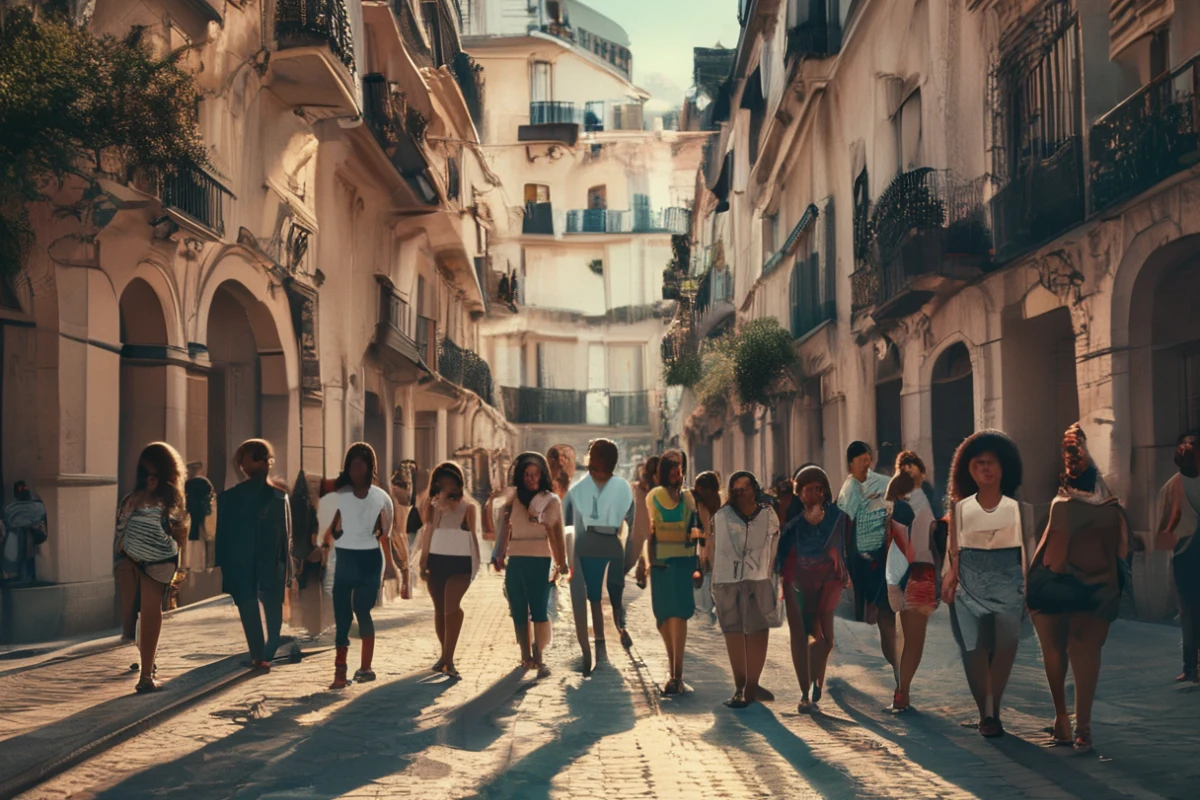
How has the self-identification of religion changed in Spain?
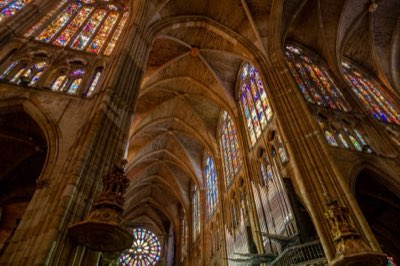
A tourist walks through the massive doors of the Seville Cathedral, feeling the weight of centuries of tradition in the cool, dim air. Outside, the bustling streets are filled with people who may carry a crucifix but rarely step foot inside a church.
According to the Pew Research Center, Spain was ranked 16th out of 34 European countries in levels of religiosity, with 21% of the population declaring they were "highly religious."
The demographic landscape of Spain has shifted significantly over the last few decades. According to the official Spanish Center for Sociological Research, as of 2018, 68.5% of the population identified themselves as Catholic.
During the same period, 26.4% identified as non-believers or atheists, while 2.6% identified with other religions.
This shift highlights a transition from a society where religion was the default setting to one where it is a personal choice. While the Catholic majority still holds a clear lead, the growth of the non-believing segment suggests a move toward secularization.
Earlier studies showed this trend was already well underway; for instance, a 2013 study by the Spanish Centre for Sociological Research noted that 71% of Spaniards self-identified as Catholics, while 25% identified as atheists or declared they had no religion.
The presence of other faiths remains a small fraction of the total population. While the Catholic identity is deeply rooted in the national fabric, the 2.6% representing other religions shows a much more diverse but much smaller group.
However, these shifts may not reflect individual spiritual depth, only outward labels.
- Observe changes in local parish attendance over several years.
- Note the frequency of religious holidays observed in public life.
- Compare generational naming conventions in family histories.
When I looked into local community records, I noticed how quickly traditional labels began to fade in younger neighborhoods. I was surprised by how much the vocabulary of faith has shifted in just a single decade.
Why don't Spaniards practice what they believe? A young professional sits in a cafe in Madrid, scrolling through a smartphone while glancing at a nearby chapel. They might identify as Catholic for cultural reasons, but their daily life is entirely secular.
There is a massive difference between being "culturally Catholic" and being a practicing believer. Many Spaniards maintain a connection to the Church through baptisms, weddings, or funerals, but active participation in religious life has dwindled.
The Pew Research Center ranked Spain 16th out of 34 European countries in levels of religiosity, noting that only 21% of the population declared they were "highly religious."
This low level of active engagement is reflected in how much weight individuals place on faith in their daily lives. Only 3% of Spaniards consider religion to be one of their three most important values. This is significantly lower than in many other traditionally religious nations.
The mismatch between identity and practice creates a unique social dynamic. While the state and culture are still heavily influenced by Catholic tradition, the actual influence of religious doctrine on daily behavior is much weaker than it was in previous generations.
| Category | Percentage (2018 Data) |
|---|---|
| Catholic | 68.5% |
| Non-believers / Atheists | 26.4% |
| Other Religions | 2.6% |
This distinction becomes less clear when personal faith is purely private and lacks social expression.
- Identify the difference between ritual participation and personal conviction.
- Track how many people attend ceremonies versus those who hold traditional values.
- Monitor the influence of religious ethics on daily decision-making.
When I spoke with locals, I realized that many people hold deep values without ever stepping into a church. It was interesting to see how much tradition remains even when active practice has ceased.
Who are the non-believers and how is this trend developing?
An elderly man sits on a park bench, recounting stories of a much more pious Spain to his grandson. The grandson listens politely but views the world through a strictly scientific and secular lens.
As of 2018, 26.4% of the population define themselves as non-believers or atheists according to the Spanish Centre for Sociological Research.
The growth of the non-believing segment is one of the most consistent trends in Spanish sociology. The jump from 25% in 2013 to 26.4% in 2018 illustrates a steady upward trajectory for those identifying as atheists or having no religion.
This group is not a monolith; it includes everyone from staunch atheists to those who are simply "spiritual but not religious."
Generational divides play a massive role in this development. Older generations often maintain a stronger tie to the institutional Church, whereas younger Spaniards are much more likely to identify as secular. This shift is not just about personal belief but also about how society functions.
The rise of secularism is often reflected in the legislative landscape. As the population becomes more secular, public policy increasingly reflects non-religious values, moving away from traditional ecclesiastical influence toward individual autonomy.
These trends may not apply to rural areas where social pressure maintains traditional participation.
- Categorize different types of non-belief, such as atheism or agnosticism.
- Observe the growth of secularism in urban centers.
- Analyze the impact of scientific education on worldview.
When I walked through metropolitan centers, the absence of religious influence in public spaces was striking. I would suggest looking more closely at how digital culture accelerates this detachment from tradition.

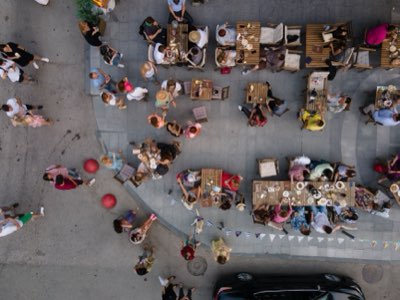
Are there major religious minorities in Spain? A small community gathers in a rented hall for a midweek service, a stark contrast to the massive stone cathedrals found in every city. For these practitioners, faith is a private and often much smaller-scale affair.
While the Catholic identity dominates, Spain is not without religious diversity. The 2.6% of the population identifying with other faiths includes various Protestant denominations, as well as smaller groups such as the Jewish and Muslim communities.
Protestantism has seen some growth, often linked to immigration patterns, though it remains a small fraction of the total. The Jewish community, while historically significant to the identity of the Iberian Peninsula, remains a small minority in the modern demographic.
These groups exist alongside the massive Catholic majority, creating a landscape where religious diversity is present but remains secondary to the overarching Catholic cultural framework.
The small scale of these groups means they often operate within the broader context of a largely secularizing society.
The visibility of these groups can be limited by cultural assimilation or social isolation.
- Map the geographic distribution of different faith communities.
- Identify the primary languages and customs used in minority worship.
- Observe the level of interaction between minority groups and the majority.
When I visited diverse neighborhoods, I noticed how small religious communities often maintain very distinct cultural identities. I found it fascinating how much variety exists beneath the surface of a seemingly homogeneous society.
What does this secular shift mean in modern Spanish society?
A lawmaker sits in a modern office in the Congress of Deputies, drafting legislation that has nothing to do with religious doctrine. The transition from a religious state to a secular society is visible in every new policy.
The shift toward secularism has profound implications for how Spain functions as a modern state. One of the clearest indicators is the legislative move toward autonomy in matters like euthanasia, which reflects a society moving toward individual rights over religious dogma.
The digital age also plays a role in this transition. With a 95.8% internet penetration rate as of 2024, information and global perspectives are more accessible than ever.
This connectivity often exposes citizens to a wide variety of worldviews, further diluting the influence of a single religious authority.
| Aspect | Traditional Context | Modern Context |
|---|---|---|
| Primary Influence | Church Doctrine | Individual Autonomy |
| Social Norms | Religious Tradition | Secular Law |
| Community Hubs | Parishes/Churches | Digital/Urban Spaces |
The transition is not an overnight revolution but a gradual erosion of institutional authority. As the "highly religious" minority remains small, the public square becomes increasingly shaped by secular values.
FAQ
Is Spain a strictly Catholic country? No. While the majority of the population identifies as Catholic, the number of active practitioners is declining, and a significant portion of the population identifies as atheist or non-religious.
How large is the non-believing population in Spain? As of 2018, the non-believing or atheist segment accounted for 26.4% of the population.

Comments 0