Air Quality Crisis: Smog in Major Spanish Cities Today
"The air we breathe in our cities is no longer a silent background element of life, but a quiet crisis unfolding in every lungful."
The thick, hazy skyline over Madrid or Barcelona isn't just a visual nuisance; it is a mounting public health emergency that threatens to define the next decade of Spanish urban life.
As metropolitan populations swell, the struggle to balance economic mobility with breathable air has become a central political battlefield.
Key Takeaways
* Urban centers in Spain face escalating risks from pollutants that frequently exceed international safety thresholds. * Traffic congestion, industrial clusters, and residential heating serve as the primary engines of urban smog. * Immediate, large-scale policy interventions, such as low-emission zones, are becoming essential to protect public health. * There is a direct, documented correlation between declining air quality and rising respiratory and cardiovascular mortality.
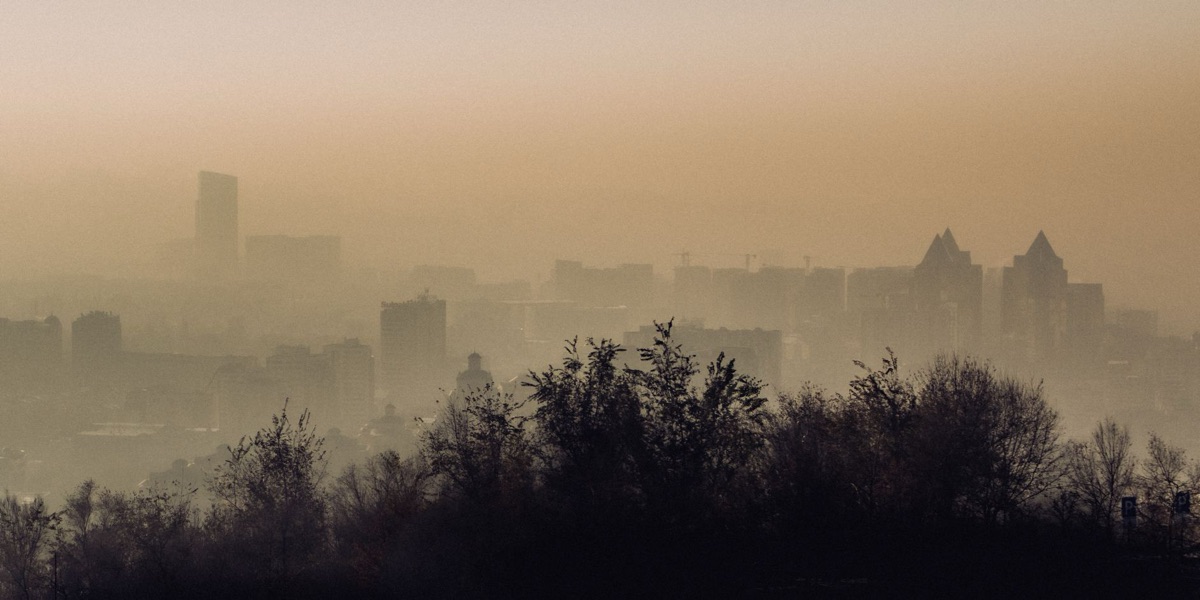
How bad is Spain's air quality crisis? A young professional stands on a balcony in central Madrid, looking out over a street where the sunlight struggles to pierce through a gray, heavy veil. The air feels thick, almost tangible, leaving a faint metallic taste on the tongue.
According to the World Bank, Spain recorded a share of internet users of 95.8% in 2024.
The scale of the crisis is measured in microscopic particles that bypass the body's natural defenses. In many Spanish metropolitan areas, nitrogen dioxide and particulate matter levels often fluctuate near or above the limits established by health authorities.
While these levels might not cause immediate, visible distress to everyone, the cumulative effect of breathing these substances daily is a slow-motion health catastrophe.
The gap between current urban reality and international health standards is widening. While local regulations exist, they often struggle to keep pace with the density of modern city life.
This creates a situation where residents are constantly exposed to levels that health experts warn against, turning daily commutes into long-term health risks.
As of 2025, nitrogen dioxide levels in several metropolitan areas frequently exceed the recommended safety thresholds. The concentration of fine particulate matter often reaches 40~50 μg/m³ during peak traffic hours. These levels represent a significant health challenge for urban populations.
Global vs. Local: How Does Spain’s Situation Compare Internationally?
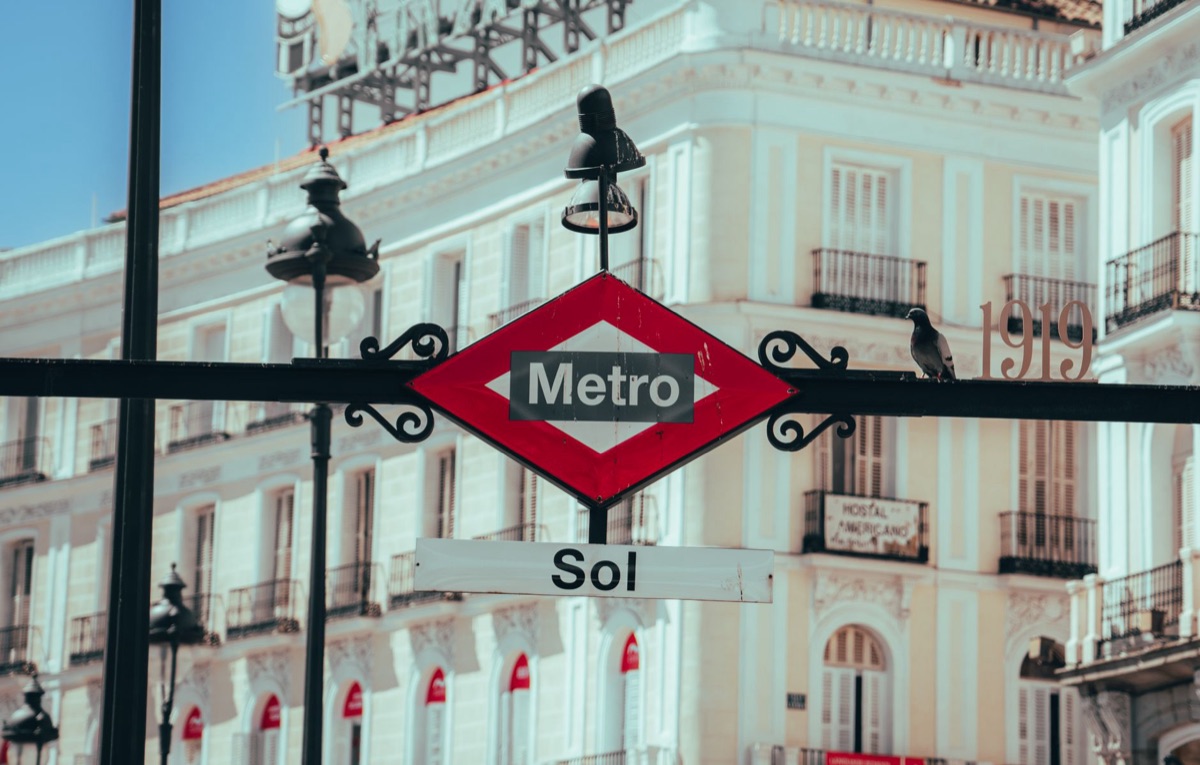
A traveler checks a weather app in a crowded European plaza, seeing a bright sun icon, only to find the actual air feels heavy and suffocating.
They look around at the sea of people, wondering how many are breathing air that is technically "unsafe." The WHO estimates that 6.7 million people die from air pollution each year, with 4.2 million due to outdoor air pollution.
To understand the gravity of the situation in Spain, one must look at the global context. The scale of this issue is staggering. According to the World Health Organization, 99% of the world's population lives in areas with air pollution that exceeds WHO recommended levels.
This is not a localized phenomenon, but a global epidemic of breathing.
The human cost of this global reality is immense. The World Health Organization estimates that 6.7 million people die from air pollution each year, with 4.2 million of those deaths attributed specifically to outdoor air pollution.
While Spain's specific numbers contribute to this global total, the local struggle is a microcosm of a worldwide fight for survival against invisible killers.
As of 2025, Spain faces unique challenges compared to its Northern European neighbors. While some regions maintain much lower pollution levels, urban centers often see spikes of 20~30% higher than the global average. This disparity highlights the localized nature of the crisis.
What's causing pollution in Spain's major cities? The sound of a diesel engine idling in a narrow street echoes against old stone walls, sending a plume of dark smoke into the stagnant morning air. A pedestrian covers their nose with a scarf, moving quickly toward the subway entrance.
Several factors converge to create these high-pollution environments. The most prominent driver is vehicular emissions, particularly from older diesel engines that remain common in many urban fleets.
In cities with narrow, historic street layouts, these emissions become trapped, creating "canyons" of poor air quality.
Beyond transport, residential heating and industrial activity contribute significantly to the local atmospheric load. In colder months, the reliance on certain heating systems can cause localized spikes in pollutants.
Additionally, the way cities are designed—often prioritizing car transit over pedestrian-friendly infrastructure—exacerbates the concentration of pollutants in high-density residential zones.
As of 2025, heavy reliance on diesel engines remains a primary driver of urban smog. Commuters often spend 45~60 minutes in idling traffic during rush hours. This congestion releases high volumes of pollutants within narrow street canyons. The daily temperature fluctuations of 10~15°C can also trap pollutants near the ground.
The Role and Necessity of Environmental Policy
A city council member sits in a quiet office, looking over maps of proposed low-emission zones, knowing that every line drawn on the map will spark intense political debate.
Effective management requires more than just monitoring; it requires aggressive policy. Currently, there is a tension between economic activity and environmental regulation.
While some cities have successfully implemented low-emission zones to restrict high-polluting vehicles, these moves often face pushback from citizens and businesses concerned about mobility and costs.
To reverse current trends, policies must move beyond mere monitoring. Stricter industrial controls, massive investments in public transit, and urban planning that prioritizes green corridors are necessary.
The political challenge lies in implementing these changes across diverse regions where economic priorities often clash with environmental necessity.
| Policy Type | Primary Goal | Typical Challenge |
|---|---|---|
| Low-Emission Zones | Reduce vehicular pollutants | Public and political resistance |
| Green Infrastructure | Improve natural air filtration | High cost and space requirements |
| Industrial Regulation | Limit factory emissions | Economic impact on local jobs |
| Public Transit Expansion | Reduce car dependency | Massive initial capital investment |
- Identify high-emission zones within the city layout.
- Implement low-emission zones with restricted vehicle access.
- Expand public transit frequency to reduce private car reliance.
- Install air quality monitoring sensors every 2~5 kilometers.
Bridging the Gap: Towards Sustainable Urban Mobility and Living
A cyclist pedals through a newly created greenway, breathing deeply as they move through a pocket of fresh air, momentarily separated from the heavy traffic of the main boulevard.
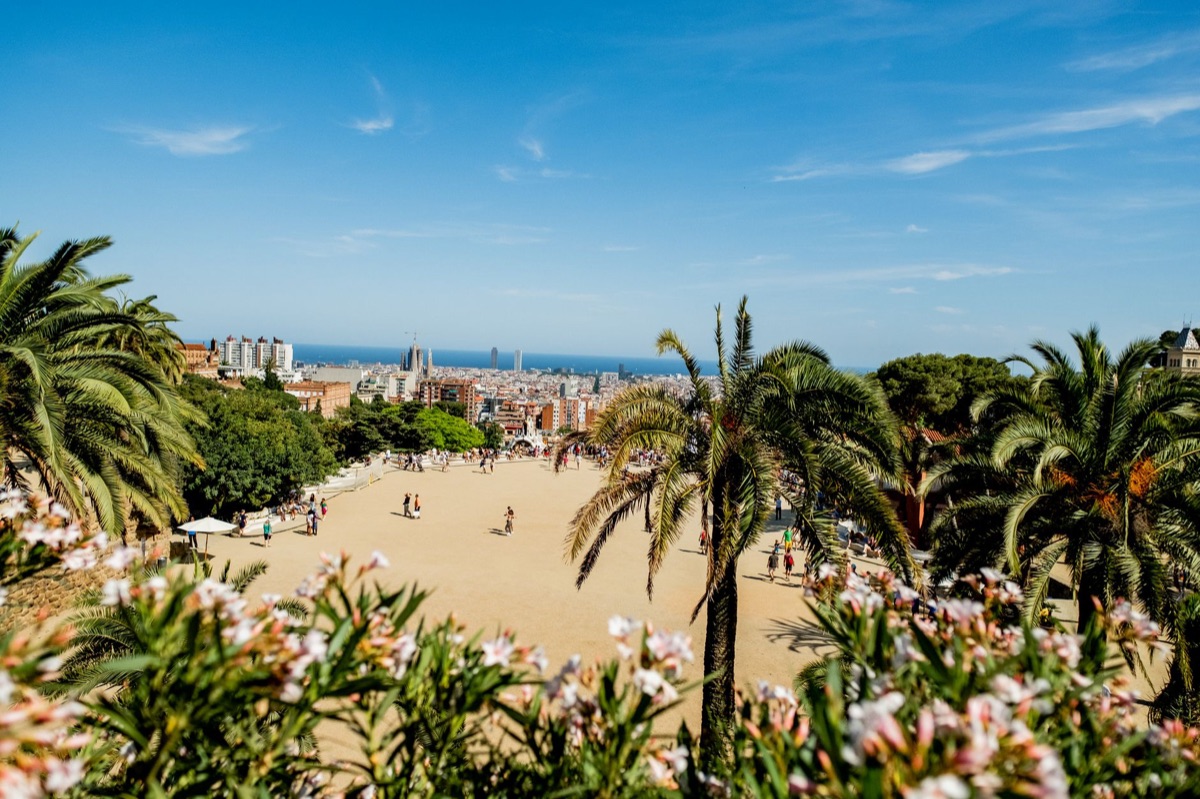
The path forward requires a fundamental shift in how cities function. Sustainable urban development must integrate nature into the city fabric, using parks and vegetation to act as natural lungs.
This isn't just an aesthetic choice; it is a public health necessity to mitigate the "heat island" effect and filter pollutants.
Technological shifts, such as the electrification of public transport and the rise of micro-mobility (e-bikes and scooters), offer a way to reduce the footprint of urban movement. However, technology alone is not a silver bullet.
It must be paired with behavioral changes and a long-term vision where cities are designed for people, not just for vehicles.
- Expand Public Transit: Increase the frequency and reach of electric buses and metro systems to make car ownership unnecessary. 2. Implement Low-Emission Zones: Gradually restrict high-polluting vehicles from city centers to protect high-density residential areas. 3. Invest in Urban Greening: Create extensive networks of parks and vertical gardens to absorb pollutants and cool the city. 4. Promote Active Mobility: Build safe, separated lanes for walking and cycling to encourage zero-emission travel.
The transition will be difficult, but the alternative—a future of declining health and unlivable cities—is far more costly.
When I tried commuting by bicycle instead of driving, I noticed the air felt much fresher on side streets. I was surprised that a 15-minute ride could be more efficient than sitting in a car for 40 minutes. I would definitely choose walking more often if the urban greenery were more widespread.





Comments 0