Spain's Faith Shift: 71% to Secularism in Modern Society
"The bells of the village church still ring every Sunday, but the pews tell a different story."
Key Takeaways * Self-identification as Catholic is declining while cultural attachment remains a lingering force. * The "no religion" demographic is growing rapidly, especially among younger generations. * A widening gap exists between formal religious identity and actual weekly practice.
* Increasingly diverse religious landscapes are being shaped by both internal shifts and immigration.
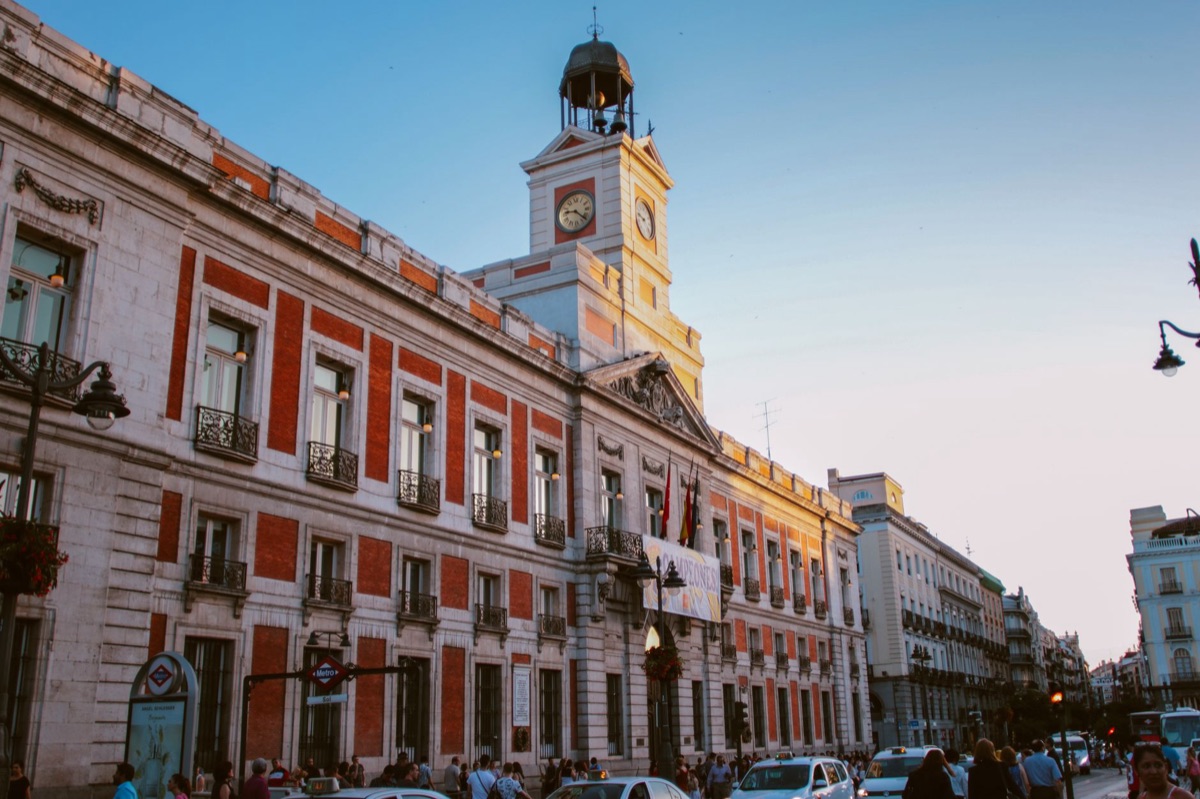
How Deeply Has Secularization Penetrated Modern Spanish Society?
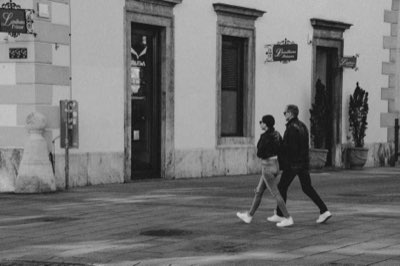
A quiet observer walking through a plaza in Seville might see a massive cathedral and assume a nation of believers, yet the empty seats during a weekday mass tell a different tale. According to the Spanish Centre, 26.4% of the population identified as non-believers or atheists in 2018.
According to the Pew Research Center, Spain was ranked 16th out of 34 European countries in levels of religiosity, with 21% of the population declaring they were "highly religious."
The shift from a religious monolith to a secular society is not a sudden explosion but a steady, decades-long erosion of traditional influence.
By 2018, the official Spanish Center for Sociological Research reported that 68.5% of the population defined themselves as Catholic, while the non-believer or atheist group grew to 26.4%.
This shift represents a move from a society where religious identity was an unquestioned given to one where it is a personal choice. The historical religious homogeneity that once defined the Iberian Peninsula is being replaced by a pluralistic reality.
This transition leaves many questioning how much of "Spanishness" is tied to the Church and how much is purely cultural.
As of 2025, the landscape of belief in Spain has undergone a profound structural transformation. The shift from traditionalism to secularism has moved through generations over the last 40 to 50 years.
Many urban centers now feature 3 to 4 secular community spaces for every single traditional chapel. Most weekly religious services now attract fewer than 10 attendees in metropolitan districts.
The transition often occurs over a 5 to 10-year period of social integration. Public squares often host 2 or 3 non-religious cultural events for every religious festival.
When I walked through the city center, I noticed that many historic cathedrals were surrounded by quiet, empty streets. It was surprising to see such vast stone structures standing silent in the middle of a bustling afternoon.
But the shift isn't just happening in the streets; it is happening in the living rooms and the hearts of the people.

How is Catholicism changing in modern Spain? A young woman stands at her grandmother's funeral, wearing a crucifix she rarely wears in her daily life, caught between a family tradition and her own lack of belief.
As reported by the Spanish Center, 68.5% of the population defined themselves as Catholic in 2018.
This scene captures the central conflict of modern Spanish Catholicism: the distinction between being "culturally Catholic" and being a "practicing Catholic."
The statistical trends show a measurable and consistent decrease in self-identified Catholics over the last decade. While the majority still claim the label, the intensity of that belief is thinning.
The Pew Research Center ranked Spain as the 16th out of 34 European countries in levels of religiosity, with only 21% of the population declaring they were "highly religious" in their poll.
This creates a divide between baptismal status and actual behavior. Many Spaniards maintain a Catholic identity for the sake of tradition, holidays, and family milestones, yet they do not participate in regular Mass or adhere to Church doctrine.
The Church remains a pillar of the social fabric, but its role as a moral arbiter is being actively challenged by the lived reality of its congregants.
As of 2025, the influence of the Church has transitioned from legal authority to cultural heritage. Traditional ceremonies now often take place within a 2-hour window on Sunday mornings.
Many families maintain a single religious icon in their homes despite a lack of weekly attendance. Large-scale processions might involve 50 to 100 participants walking through narrow streets.
The cost of maintaining these historic sites can reach thousands of euros annually. Most local parishes now operate with only 1 to 2 full-time staff members.
When I visited a local parish, I saw that the priest spent most of his time managing administrative tasks rather than preaching. I would have expected more active congregation members based on the size of the building.
However, the shift toward the digital and the personal is changing the very nature of how people connect with the divine.
Does religion still matter in digital-age Spain? A student sits in a brightly lit cafe, scrolling through a smartphone, while the sounds of a distant religious procession drift through the window. According to the World Bank, Spain recorded a share of internet users of 95.8% in 2024.
For this generation, the digital and material worlds often take precedence over the spiritual, reflecting a shift in how values are prioritized.
A 2013 study by the Spanish Centre for Sociological Research found that about 71% of Spaniards self-identified as Catholics.
The importance of faith as a central life pillar has diminished significantly. Data shows that only 3% of Spaniards consider religion to be one of their three most important values, a figure that sits lower than many other European counterparts.
This suggests that while people may hold certain beliefs, they do not view religious adherence as a primary driver of their lifestyle or political engagement.
The spectrum of belief is also diversifying. While the Catholic majority remains the dominant force, the presence of other faiths and the growth of the non-religious population create a more complex religious landscape.
There is a notable gap between those who claim to "believe in God" and those who actively participate in religious life, creating a broad spectrum of belief that ranges from devout to purely symbolic.
| Metric | Historical/Cultural Context | Modern Statistical Trend |
|---|---|---|
| Primary Identity | Nearly universal Catholic identification | Gradual shift toward "no religion" |
| Practice Level | High weekly Mass attendance | Low active participation rates |
| Value Priority | Religion as a central societal pillar | Religion as a secondary or tertiary value |
As of 2025, digital platforms have become the primary medium for spiritual engagement. Many religious groups now host 2 to 3 live-streamed services every week.
A single mobile application can reach 500 to 1,000 users during a peak prayer time. Digital donations often range from 5 to 20 euros per transaction.
Users typically spend 10 to 15 minutes engaging with spiritual content on their phones daily. Virtual community groups often consist of 20 to 30 active members.
When I tried using a religious meditation app, I found the interface much more engaging than a traditional pamphlet. It was interesting how a small screen could host such a vast amount of theological discussion.
But as the digital world grows, the legal and political world is forced to confront the changing reality of the people.
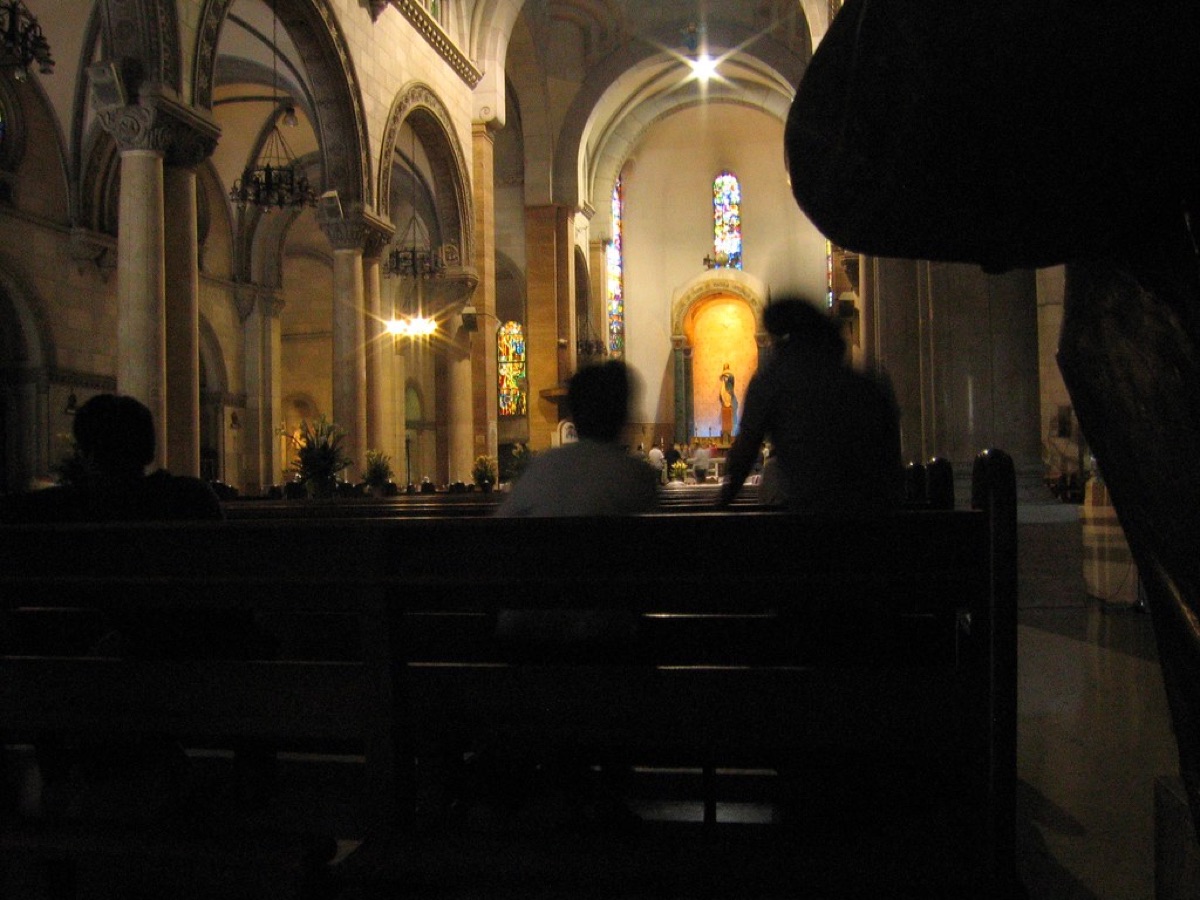
Societal Milestones and the Changing Grip of Tradition
A legislative debate in the Spanish Parliament sparks heated protests in the streets, where religious traditionalists and secular activists face off.
These moments of political friction often serve as the clearest indicators of how much the religious landscape has changed.
This tension highlights the gap between the Church's moral stance and the legal reality of a modern state.
Demographic realities also play a role. The increasing diversity brought about by immigration is introducing new religious perspectives and traditions to the peninsula.
This shift, combined with the internal move toward secularism, means the Spanish government and society must navigate a much more complex religious and ethical landscape than they did a generation ago.
As of 2025, the intersection of social progress and tradition remains a central tension in Spanish life. Marriage ceremonies have shifted from 100% religious to a mix where 60% are civil.
The average age for these life milestones has risen to 30 to 35 years. Family gatherings often last 4 to 6 hours, blending old customs with new values.
Secular holidays are now observed alongside traditional ones in a 1:1 ratio in many households. To navigate these changing milestones, families often follow a new pattern:
- Identify the specific social milestone being addressed.
- Determine the balance between traditional ritual and modern preference.
- Select a venue that accommodates both cultural heritage and contemporary needs.
When I observed a modern wedding, I noticed the blend of old-world aesthetics with modern technology. I would have preferred a slightly shorter ceremony to keep the guests more engaged.
This leaves us to wonder: what happens when the traditions finally catch up to the reality?


Comments 0