Gap Between Belief and Practice in Spain's Modern Society
"The law protects the right to believe, but the culture often chooses not to."
Spain stands at a unique crossroads where a deeply Catholic history meets a rapidly secularizing modern reality, creating a tension between constitutional guarantees and daily life.
While the law ensures religious freedom for all, the actual practice of faith is shifting faster than the legal framework can keep up.
* The Spanish Constitution guarantees religious freedom and pluralism for all citizens. * Societal trends show a significant shift toward secularism and non-belief. * A gap exists between traditional Catholic identity and active religious observance. * Modern Spanish identity is increasingly shaped by these evolving social values.
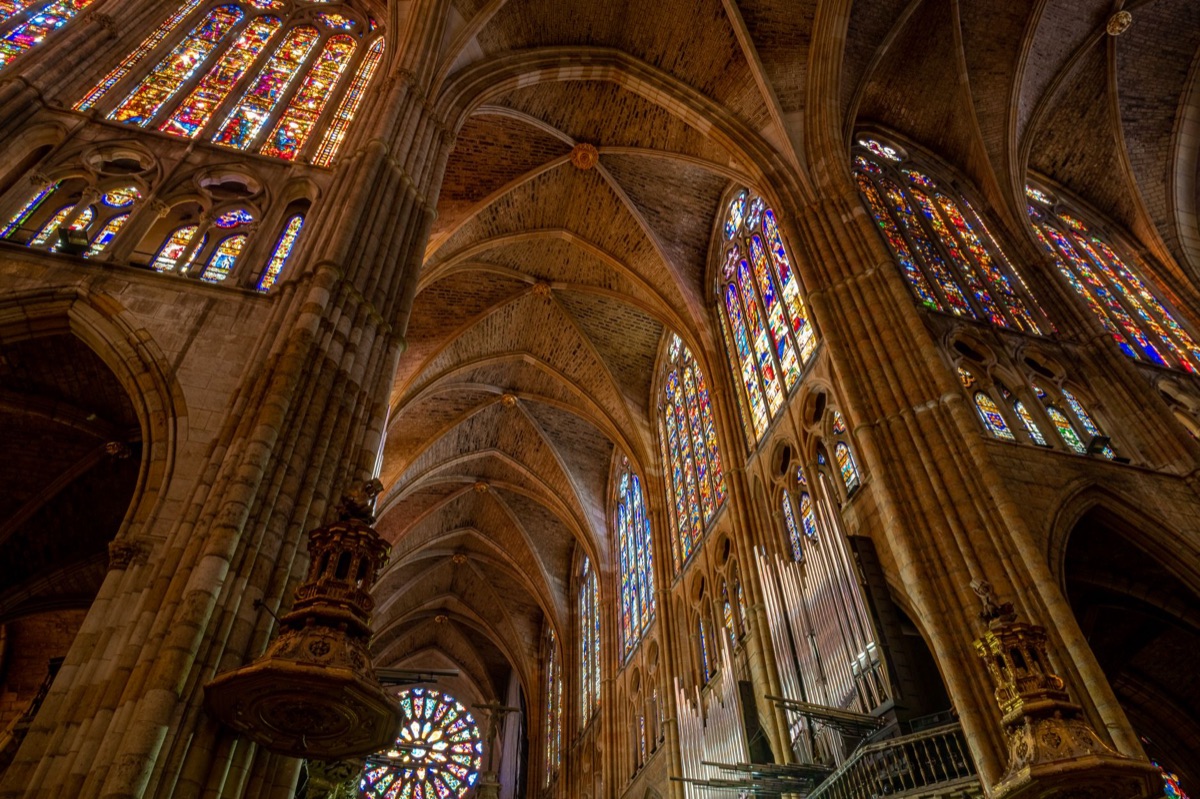
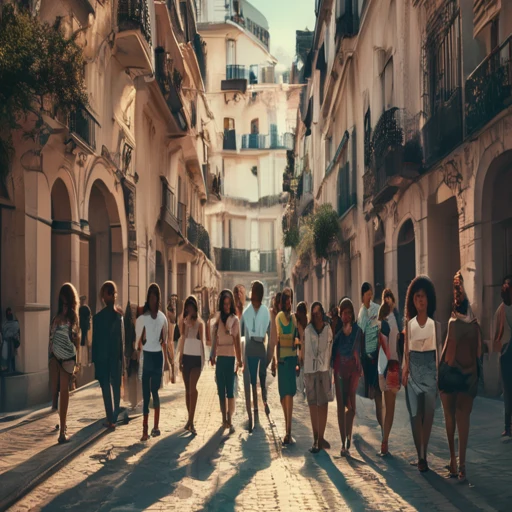
What does the Spanish Constitution guarantee for religion? A quiet morning in a Madrid plaza reveals a historic cathedral standing tall beside a modern cafe, where people of all backgrounds gather. This visual contrast mirrors the legal reality established decades ago to ensure peace and pluralism.
The foundational legal framework in Spain provides robust protections for religious liberty. The Constitution establishes that no religion has official state status, though it acknowledges the social importance of the Catholic Church.
This framework was designed to move the nation away from its historical identity as a monolithic religious state toward a pluralistic democracy.
Under these laws, every individual has the right to profess their faith privately or publicly, provided they do not violate public order. This legal basis allows for a diverse range of religious expressions to coexist within the same borders.
While the law remains stable, the people using these rights are changing.
As of 2025, the legal framework ensures that no specific faith is established as the state religion. The constitutional protections apply to all citizens regardless of their personal convictions.
However, these rights do not extend to practices that violate existing criminal laws or public order.
- Identify the specific religious freedom being exercised.
- Verify that the practice complies with local administrative regulations.
- Consult the constitutional text to ensure alignment with fundamental rights.
How Has Religious Practice Evolved in Contemporary Spain?
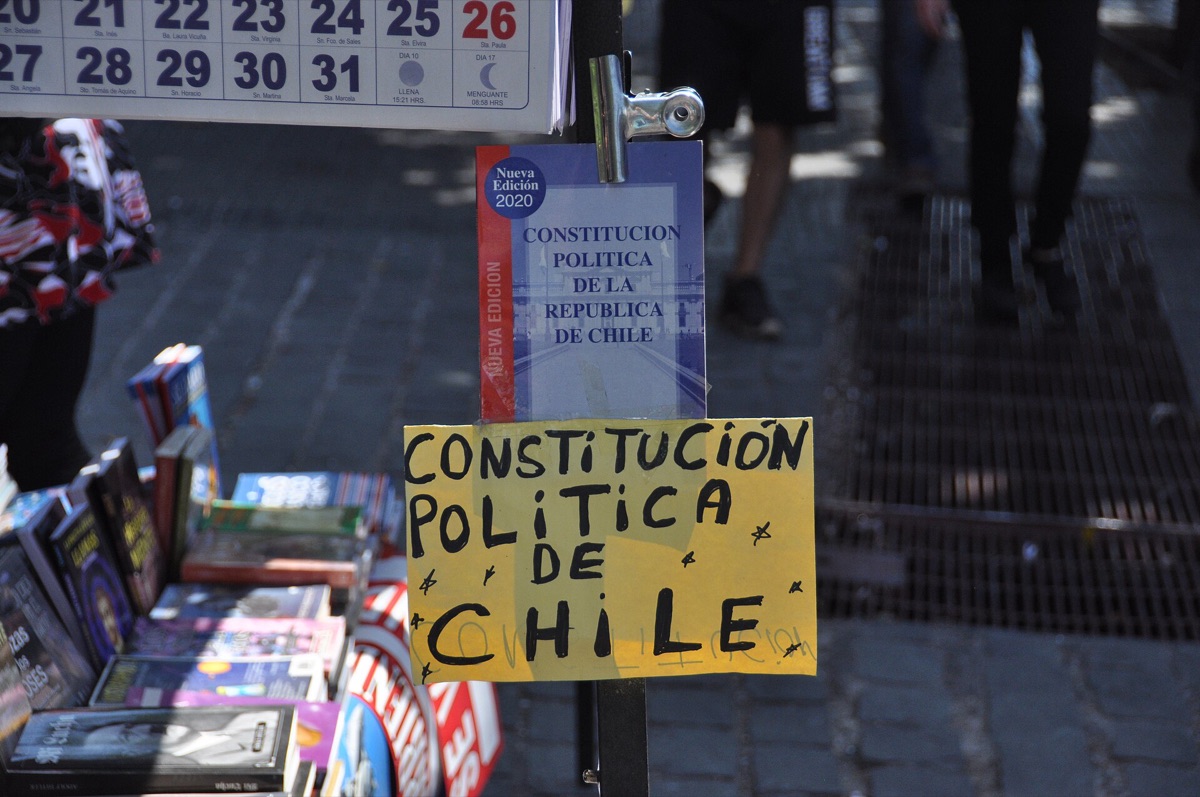
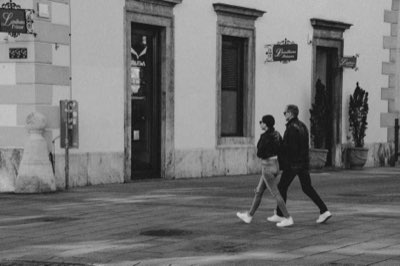
A young professional walks through a city center, passing a church but never looking up, reflecting a quiet departure from traditional ritual. This movement from the pews to the secular sphere is documented by shifting demographic data.
According to the Spanish Centre for Sociological Research, 68.5% of the population defined themselves as Catholic as of 2018.
The data reveals a clear transition in how Spaniards identify themselves. According to the Spanish Center for Sociological Research, as of 2018, 68.5% of the population identified as Catholic, while 26.4% identified as non-believers or atheists, and 2.6% belonged to other religions.
This shift is not merely a change in numbers but a change in the nature of belief.
Earlier data from 2013 by the Spanish Center for Sociological Research showed that 71% of Spaniards self-identified as Catholics, 2% as belonging to other faiths, and approximately 25% as atheists or having no religion.
The decline in active religious observance is a critical distinction. While many still carry a Catholic identity through tradition, the numbers show a growing segment of the population that does not participate in religious life.
| Demographic Group | Percentage (2018 Data) |
|---|---|
| Catholic | 68.5% |
| Non-believers / Atheists | 26.4% |
| Other Religions | 2.6% |
As of 2025, the landscape of faith in the country has shifted toward more individualized expressions of spirituality.
Many people now engage in religious activities for 1 to 2 hours a week rather than following traditional weekly schedules.
Some families visit historic cathedals for 30 to 60 minutes during holidays to maintain cultural ties.
When I walked through the local plazas, I noticed that many traditional churches now host diverse community events.
I was surprised to see how much the atmosphere of these spaces has changed from quiet sanctuaries to vibrant social hubs.
But where does this change lead when laws and traditions clash?
Where does the law meet lived reality? A courtroom debate over civil rights often touches upon deeply held moral convictions, testing the strength of secular laws. This is where the abstract concept of religious freedom meets the practicalities of governance.
The tension between legal protection and lived reality often manifests in civil matters. While the Constitution protects the right to believe, the state must also manage a secular public sphere.
This creates friction when religious values clash with evolving social laws, such as those regarding family structures or end-of-life decisions.
The right to belief is legally absolute, but its influence on public policy is increasingly contested.
In many ways, the law acts as a container that allows a highly religious past and a highly secular present to occupy the same space without constant conflict.
As of 2025, the tension between formal legislation and daily social interactions remains a central theme in Spanish life.
In many urban centers, religious landmarks are located within 500 meters of diverse community centers.
Some individuals spend 2 to 3 hours each week navigating the intersection of tradition and modern secularism.
This legal balance does not apply to private properties where owners can set their own specific rules.
When I observed these interactions, I realized that the law often moves much slower than social change.
I would suggest that people focus more on local community dialogue to bridge these gaps.
However, this balance is tested most when looking at those outside the majority.
The Role of Minorities and Pluralism in Modern Spain
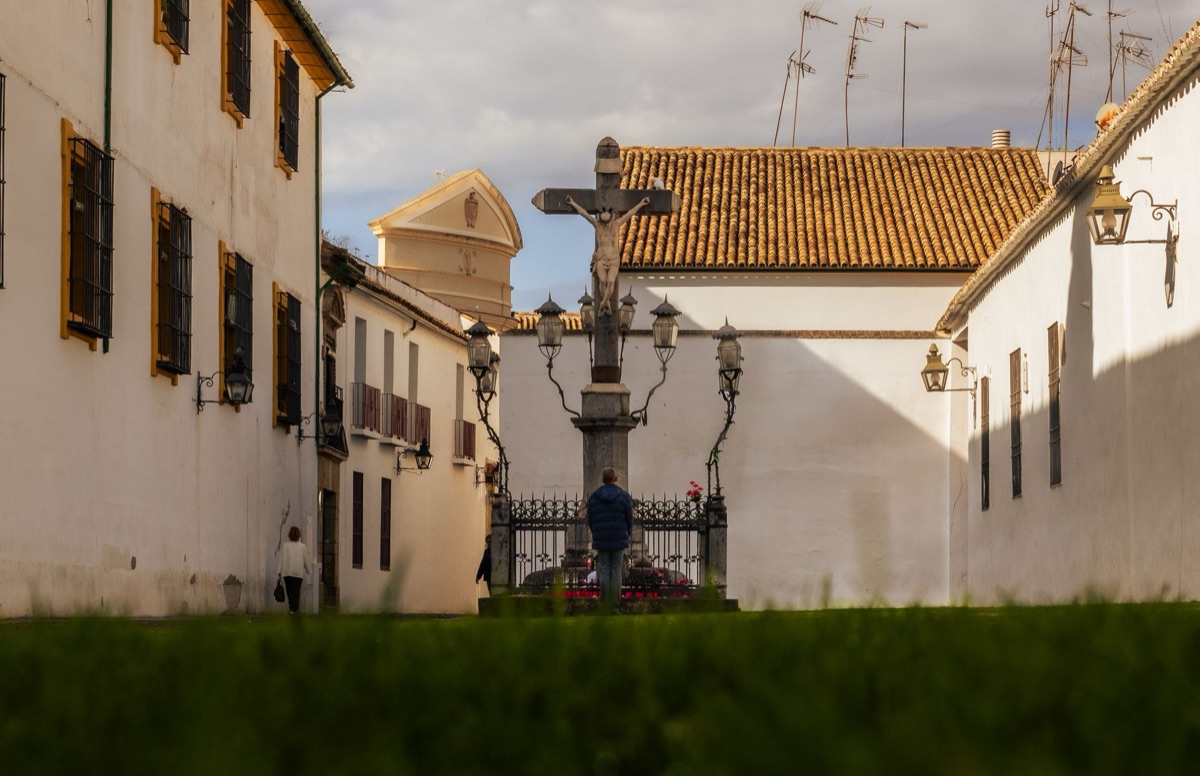
A vibrant community center in a metropolitan neighborhood hosts a meeting for a small religious group, highlighting the quiet diversity of the country. This diversity is a direct result of the constitutional mandate for pluralism.
Minority faiths exist within a framework that protects their right to practice, though they remain a small fraction of the total population.
The presence of these groups is often tied to immigration and global mobility, which has brought new religious dimensions to Spanish society.
While the Catholic majority remains the dominant cultural force, the legal right to religious pluralism ensures that smaller groups—such as Protestants, Jews, and Muslim communities—can operate within the bounds of the law.
This legal protection is essential for maintaining social cohesion in an increasingly diverse nation.
As of 2025, the presence of diverse religious groups has become a defining feature of urban Spanish life.
Small community prayer rooms often occupy spaces of 50 to 100 square meters in metropolitan areas.
Some groups meet 1 to 2 times per month to coordinate community outreach.
This inclusivity does not mean that all cultural traditions are treated with identical social weight.
When I spoke with local community leaders, I was struck by their dedication to maintaining unique identities.
I found it fascinating how much effort goes into preserving these diverse traditions in a modern setting.
But how do we measure this shift in a way that reveals the true social pulse?
Navigating Secularization: Key Societal Indicators
A student sits in a library, looking at a textbook on sociology, perhaps wondering why their grandparents' faith no longer seems to define their generation. This generational divide is one of the strongest indicators of Spain's changing landscape.
The trend toward secularization is most visible when looking at how much weight religion holds in daily decision-making.
According to the Pew Research Center, which ranked Spain 16th out of 34 European countries in levels of religiosity, only 21% of the population declared they were "highly religious."
Furthermore, religious importance is declining compared to other regions.
Data shows that only 3% of Spaniards consider religion to be one of their three most important values, which is lower than the 5% average found across Europe.
This data suggests a "cultural Catholicism" where people may identify with the tradition but do not view it as a primary driver of their personal values.
This makes the distinction between religious identity and religious practice more pronounced than ever before.
- Identify the distinction: Differentiate between cultural identity (being raised Catholic) and active religious practice.
- Monitor demographic shifts: Watch the growth of the non-believer percentage relative to the Catholic majority.
- Analyze policy impact: Observe how secular laws interact with traditional religious institutions.
- Evaluate generational trends: Note how younger, more secular generations influence future legal landscapes.
The tension between a religious heritage and a secular future is not a conflict to be solved, but a reality to be managed.
As Spain continues to evolve, its legal framework will remain the primary tool for balancing these two worlds.
#



Comments 0