How does the demographic landscape shape religious identity?
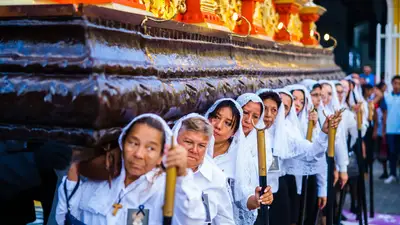
A quiet bell rings in a sun-drenched plaza, echoing through streets where tradition meets a rapidly changing digital landscape.
The shift in Spain Catholic faith change reflects a complex intersection of traditional values and modern secularization. This analysis explores how religious identity persists amidst demographic shifts and technological integration.
Key takeaways: 1. The interplay between traditional religious structures and modern societal shifts. * The role of digital connectivity in shaping contemporary perspectives. * The persistence of spiritual questions in a changing demographic landscape.
How does the demographic landscape shape religious identity?

A group of travelers walks through a historic cathedral, noting the vastness of the space compared to the quiet streets outside. The changing religious views Spain experiences are often tied to the sheer scale of its population and the movement of its people.
According to World Bank data, Spain recorded a total population of 49,355,143 in 2025. This large population base maintains a deep-rooted cultural connection to religious traditions, even as individual practices evolve.
The sheer number of people living within these historical frameworks ensures that religious questions remain a part of the public consciousness.
The demographic weight of the nation provides a backdrop for these shifts. As generations move and grow, the way they interact with traditional institutions changes. This constant motion ensures that questions of faith remain relevant to the collective identity.
What role does technology play in modern spirituality? Spain Catholic faith change
A young person sits in a café, scrolling through a smartphone while a church spire rises in the background. The religious shift Spain undergoes is increasingly influenced by the high level of connectivity among its citizens.
According to World Bank data, Spain recorded a share of internet users of 95.8% in 2024. This high level of digital engagement suggests that information and belief systems are increasingly mediated through digital platforms.
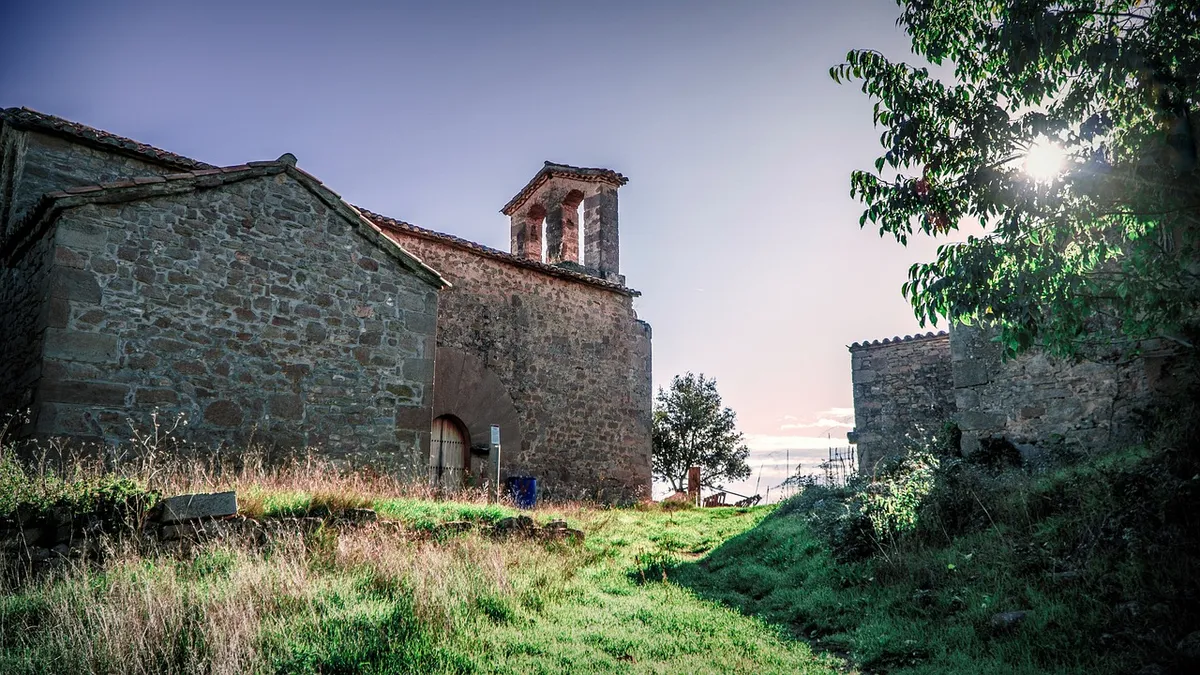
The intersection of ancient rituals and modern connectivity creates a unique environment for spiritual expression.
Digital tools change how people access information and connect with communities. While traditional gatherings remain important, the digital realm offers a new space for dialogue. This connectivity reshapes how individual beliefs are communicated and maintained.
According to World Bank, the 2025 record includes 10.4%.
How do economic factors influence religious life?
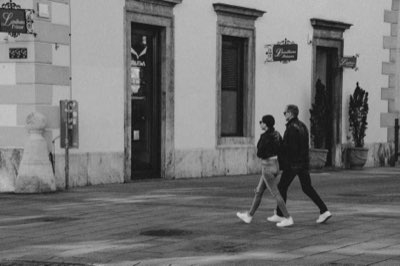
A worker pauses at a street corner, looking at a job posting before continuing their commute. The impact of secularism Spain faces can sometimes be linked to the economic realities and employment stability of its citizens.
According to World Bank data, Spain recorded an unemployment rate of 10.4% in 2025. Economic fluctuations can influence how individuals prioritize spiritual life versus material stability.
Shifts in the workforce and economic security often coincide with changes in social values and institutional engagement.
Economic pressures can lead to changes in how communities gather and support one another. As people navigate job markets and financial stability, their engagement with traditional structures may shift. These economic realities are a constant factor in the social fabric.
How do psychological struggles intersect with faith?
A person sits quietly in a park, lost in thought amidst the bustle of a city. The questions regarding Catholicism's modern role often involve the internal emotional and mental well-being of the population.
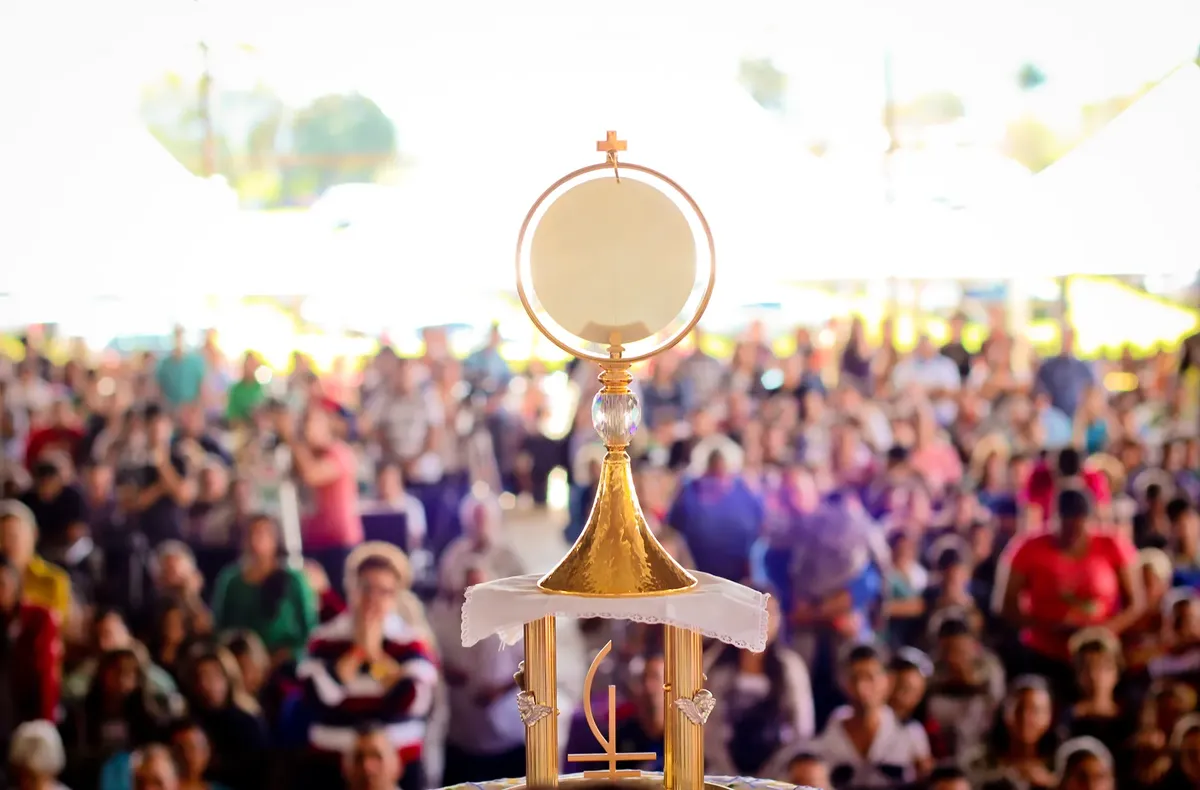
According to the American Psychological Association, religious and spiritual struggles are a subject of focus for the American Psychological Association (APA).
As noted by the Association (APA), the topic involves religious and spiritual struggles as reported by the American Psychological Association (APA).
The American Psychological Association (APA) has noted that religious and spiritual struggles can be a significant aspect of mental health. These internal questions often arise when traditional beliefs meet modern psychological understandings.
For many, navigating these struggles is a central part of their personal journey.
Mental health and spiritual questions are frequently intertwined. As individuals seek meaning, they often grapple with questions of purpose and belief. These internal dialogues shape the way faith is practiced in private and public life.
What are the practical steps to understanding religious change?
A researcher sits at a desk, organizing folders of demographic data and historical records. Understanding these shifts requires a structured approach to looking at data and social trends.
- Analyze demographic data to understand the population scale. 2. Examine technological penetration to see how information flows. 3. Evaluate economic indicators to contextualize social stability.
I observed how these data points provide a clearer picture of a nation's changing soul. By looking at these specific metrics, one can see the forces at play.
A final check involves comparing these statistical trends against qualitative cultural observations. This ensures a balanced view of how numbers translate into human experience.
- How does the demographic landscape shape religious identity?
- What role does technology play in modern spirituality?
- How do economic factors influence religious life?
The subject here is Spain Catholic faith change.
The same subject is also called Modern Spanish religion.
The same subject is also called Catholicism in Spain now.
The same subject is also called Faith statistics Spain.
Impact of secularism Spain
Related
- What were the ideological roots of the movement?
- Spain social security GDP role: System comprises 23% of GDP
How does the quiet bell relate to digital integration?
The quiet bell rings in a sun-drenched plaza, symbolizing enduring traditions even as digital connectivity permeates daily life. The contrast between the ancient sound and modern information flow illustrates the complex nature of contemporary Spanish faith.
This juxtaposition shows how spiritual anchors remain while communication methods evolve rapidly.
The persistence of the quiet bell suggests that foundational cultural elements resist complete erasure by technological advancement. Digital platforms offer new avenues for spiritual discourse, yet the physical presence of tradition maintains a certain resonance.
This interplay defines the current religious landscape.
When might economic shifts challenge spiritual practice?
Economic fluctuations can directly challenge the prioritization of spiritual life over material concerns. When unemployment rates rise, as indicated by the data, individuals may re-evaluate their commitments.
The pressure of financial stability compels a re-assessment of how one invests time and energy.
This necessary focus on immediate economic survival can alter community participation in traditional religious settings. The engagement with established structures may decrease when the immediate need is securing employment or financial footing.
The quiet bell's call must compete with the demands of the job market.




Comments 0