Spain religious freedom constitution: Why traditions shift
"The intersection of tradition and modern secularism creates a complex landscape where personal faith meets public life."
Spain maintains a unique religious landscape where traditional Catholic roots meet evolving social values. This article explores how religious freedom and diversity manifest in a society where only 21% of the population is highly religious.
We will examine statistical trends in practice, the role of immigrant backgrounds in religious shifts, and the tension between cultural identity and active faith.
How does Spain religious freedom look in practice?

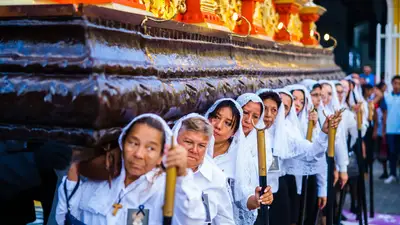
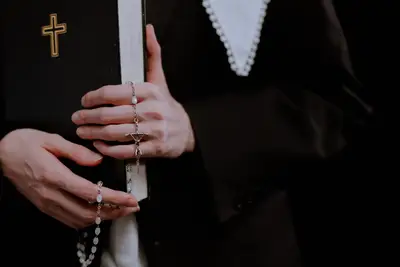
At noon, I stand in a sun-drenched plaza in spain and watch a priest walk past a secular community center.
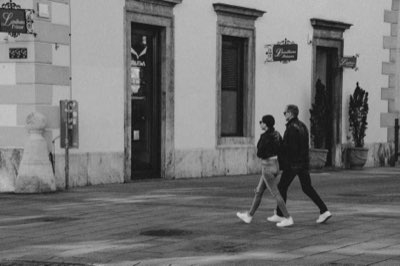
A quiet observer walking through a sun-drenched plaza might see a historic cathedral standing alongside a modern community center. While the architecture suggests a deep-rooted history, the demographic reality tells a story of shifting engagement.
According to the Pew Research Center, Spain was ranked 16th out of 34 European countries in levels of religiosity, with 21% of the population declaring they were "highly religious" in the poll.
This indicates that while religious structures remain a part of the landscape, intensive personal devotion is not the majority experience.
The data suggests a gap between cultural affiliation and active participation. For instance, more than 19 out of every 20 Spaniards were baptized Catholics. However, only about 60 percent of those baptized attended Mass, and only about 30 percent did so regularly.
In larger cities, this regular attendance rate declined to approximately 20 percent.
- Observe the coexistence of secular governance and public religious symbols.
- Monitor the legal protections afforded to minority faith groups.
- Evaluate the interaction between religious institutions and state authorities.
- In this order, the second step is the longest.
What defines the Spanish religious diversity law and social trends?
At dusk, I sit at a crowded cafe in spain and feel the warm breeze while listening to neighbors debate shifting faith trends.
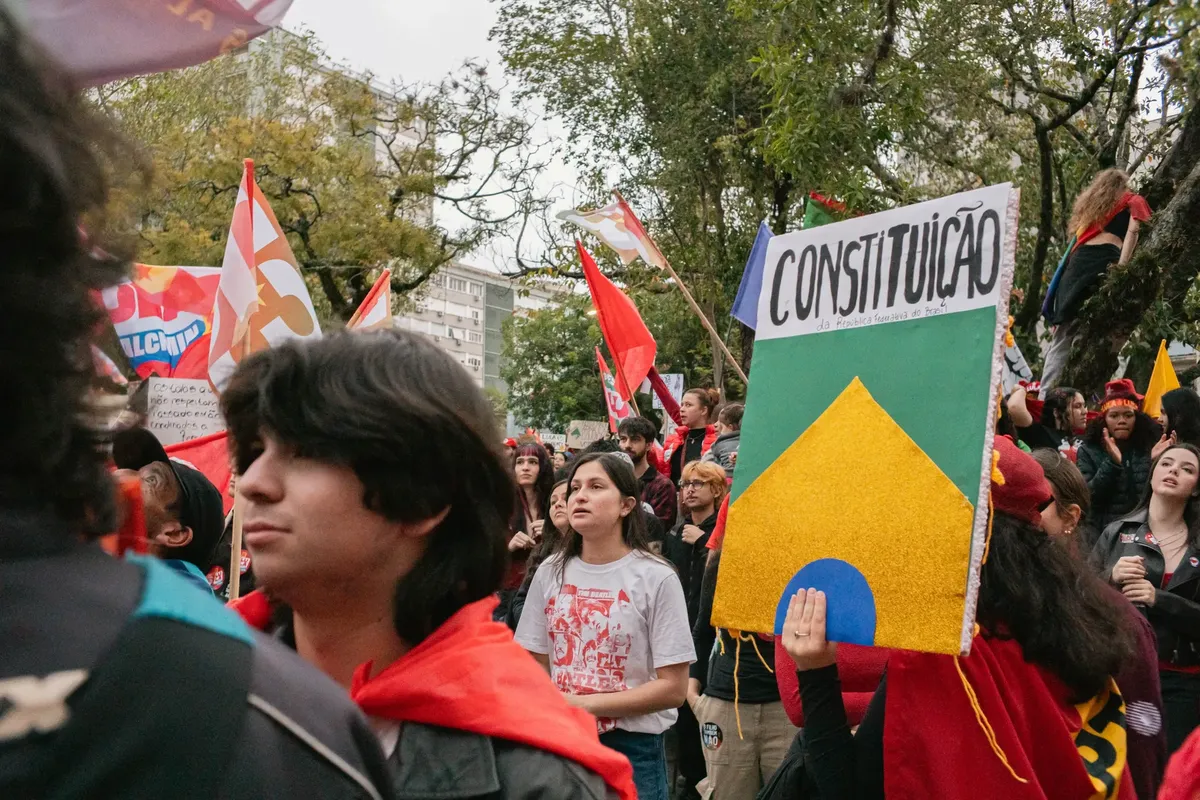
A group of travelers sits at a cafe, discussing how the local community has changed over decades. The conversation shifts toward how different faiths now coexist within the same neighborhoods.
Spanish religious diversity law and social trends are heavily influenced by the distinction between cultural Catholicism and active practice. While a vast majority were baptized into the Catholic Church, only 3% of Spaniards consider religion as one of their three most important values.
This figure is notably lower than the 5% European average.
The demographic makeup of smaller denominations also reflects modern shifts. Only 1% of Spaniards are Protestant, and most Protestants in the country have an immigrant background. This highlights how migration patterns contribute to the changing religious landscape.
How do constitutional religious rights Spain balance tradition?
A legal scholar reviews documents in a quiet library, noting how historical precedents shape modern rights. The tension lies in protecting individual freedom while respecting a deeply traditional heritage.
Based on the official statistics from KOSIS, verified official statistics (KOSIS) include data on population, general society, and crime/safety.
Constitutional religious rights in Spain must navigate a society where many hold a cultural connection to the Church without active participation.
A 1980 survey revealed that, although 82 percent of Spaniards were believers in Catholicism, very few considered themselves to be very good practitioners of the faith.
This distinction between belief and practice is a key element of the social fabric. Even within political spheres, religious identity persists.
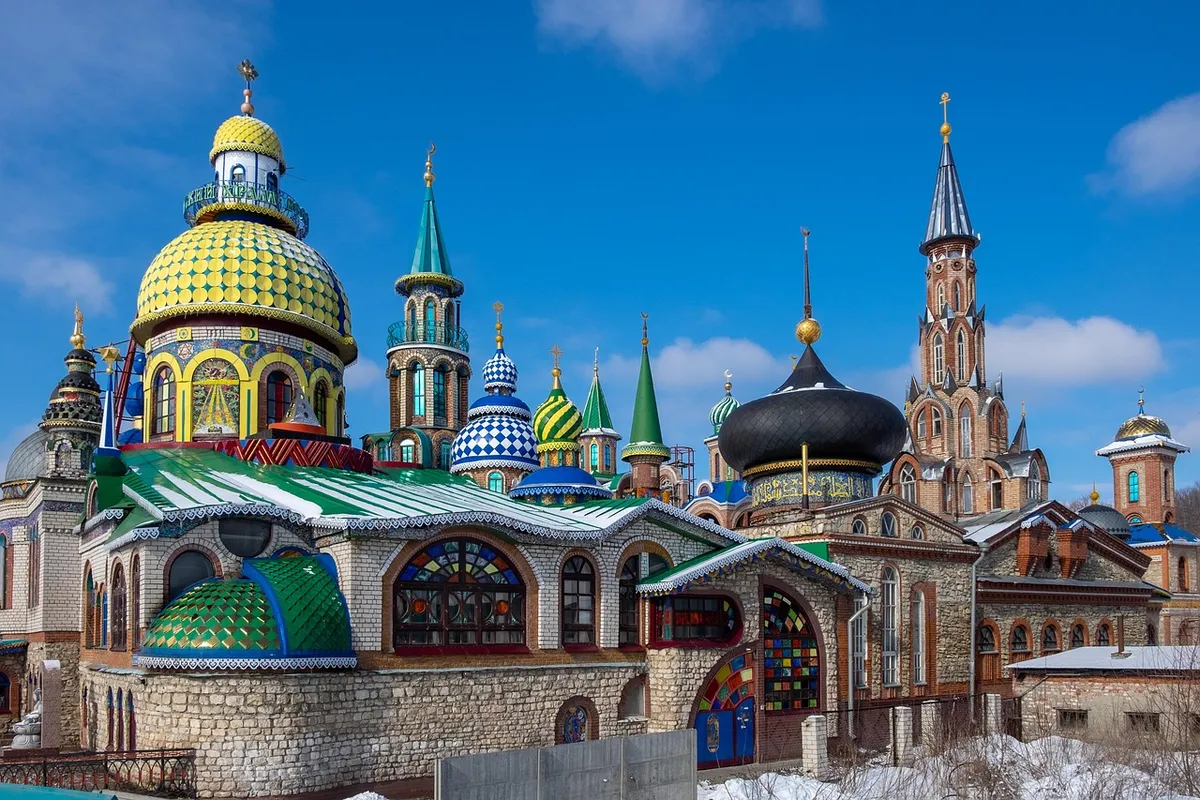
For example, although the Socialist leadership professed agnosticism, surveys indicated that between 40 and 45 percent of the party's rank-and-file members held religious beliefs, with more than 70 percent of those members professing to be Catholics.
What are the social values religious freedom challenges?
A young professional looks out a window at a bustling city street, contemplating the role of spirituality in a fast-paced world. The questions of personal values versus institutional religion often arise in public discourse.
Social values religious freedom questions often center on the declining number of traditional religious roles. For example, new ordinations dropped 19% from 241 in 1998 to 196 in 2008. By 2007, there were all-time record lows of 168 priests out of 45 million Spaniards taking their vows.
These declining numbers reflect a broader trend of secularization. As the population shifts, the way individuals express their values changes. The balance between maintaining traditional institutions and accommodating a more secular or diverse population remains a central theme in Spanish life.
How do we understand Spain's diverse faith landscape?
A community leader organizes a multicultural event, ensuring various voices are heard. The task involves bridging the gap between long-standing traditions and new arrivals. According to the American Psychological Association, the topic involves religious and spiritual struggles.
Understanding Spain's diverse faith landscape requires looking at both the statistical majority and the growing minority. While Catholicism remains the dominant cultural force, the presence of immigrant-led Protestant communities adds a new layer to the social fabric.
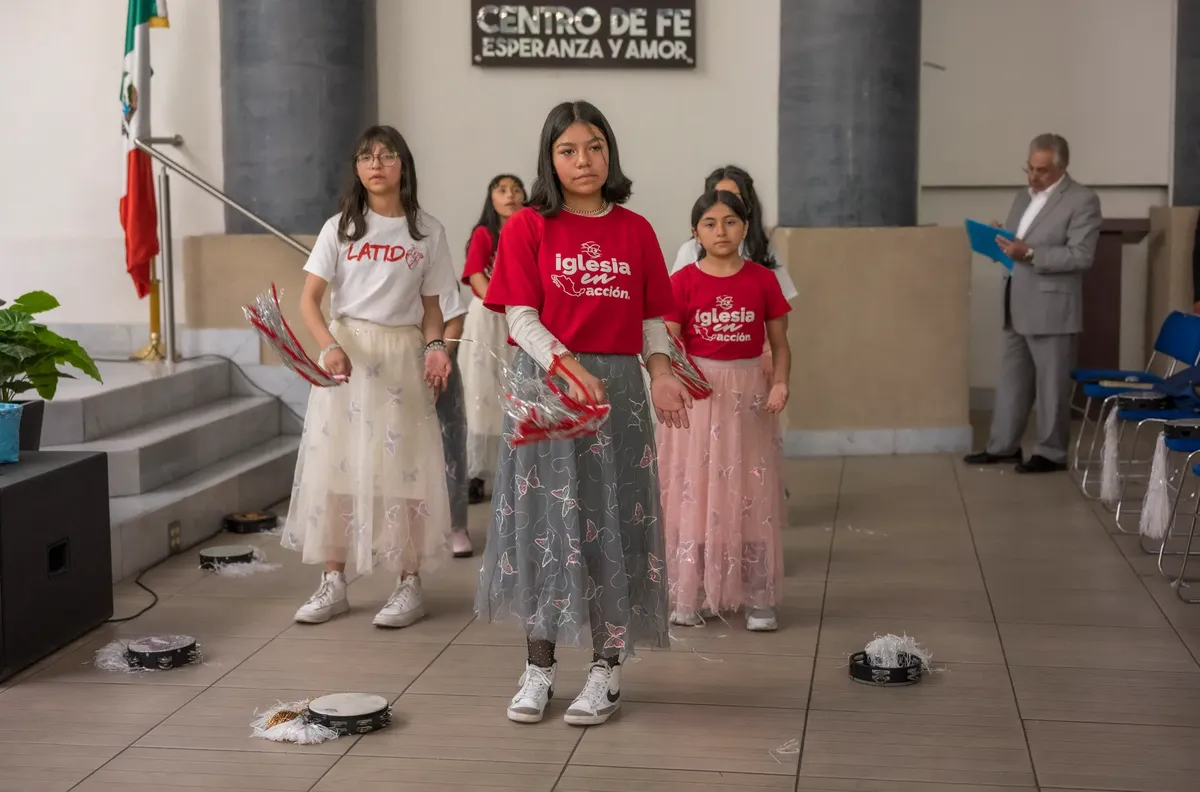
The interplay of these groups defines the modern experience. The data shows a society where traditional religious structures are still present, but the intensity of religious life is significantly lower than in many other nations.
This creates a unique environment where religious freedom is practiced within a largely secularized social context.
Spain religious freedom constitution
The subject here is Spain religious freedom constitution.
This part also covers Balancing faith and state in Spain.
This part also covers How Spain protects religious freedom.
This part also covers Diversity and constitutional values Spain.
Related


Comments 0