Spain social security GDP role: System comprises 23% of GDP
"The strength of a nation is often measured by the safety net it provides to its citizens."
Spain's social security system represents a significant pillar of its economic structure, accounting for roughly 23% of the national GDP. This comprehensive framework supports the population while playing a critical role in the broader fiscal landscape of the country.
This article examines the scale of this system, its relationship to the national economy, and the historical context of Spanish productivity.

Key takeaways: * The social security system comprises approximately 23% of the GDP. * Spain's GDP per capita is about 2.55 times the global average. * Economic growth remains a factor in managing these social expenditures.
How much does the social security system contribute to the GDP?
At dusk in a quiet Madrid office, the researcher rubs tired eyes while studying the massive scale of the social security contribution to the GDP in spain.
A researcher sits at a desk in Madrid, looking over fiscal reports that detail the massive scale of national spending.
This substantial portion of the economy ensures stability for various demographic groups across the nation.
The scale of this spending reflects the priority placed on social welfare within the Spanish economic model. This massive allocation serves as a buffer against market volatility and supports the domestic consumer base.
Maintaining this level of support requires consistent economic output to remain sustainable over the long term.
However, these contributions may not reflect real economic value if they primarily consist of redistributive transfers rather than productive investment.
What is the relationship between social security and overall economic growth?
The economist stares at the glowing screen in the dark office, tracing the connection between social security and economic growth in spain.
An economist tracks fluctuating lines on a digital screen, comparing recent growth against historical shifts in the Spanish economy.
This growth provides the necessary fiscal room to fund extensive social programs without destabilizing the national budget.

The interplay between social spending and growth is complex, as the 23% GDP share must be balanced with investment needs. A growing economy helps offset the costs of an aging population and provides the tax revenue required for social programs.
This relationship is central to the Spanish social market economy.
The impact of these social protections can be limited if they inadvertently discourage labor force participation.
How does Spain's productivity compare to the rest of the world?
A student in Barcelona compares local economic statistics with global benchmarks to understand their country's standing. Specifically, Spain's GDP per capita is approximately 2.55 times (or 255%) the world average, reflecting a relatively high level of economic productivity and development.
This high productivity supports the robust social safety net described earlier.
While the social security system is a major expense, the high level of per capita productivity helps sustain these commitments. The ability to generate wealth above the global average is a key factor in maintaining such a large percentage of GDP for social welfare.
This productivity remains a cornerstone of the national economic identity.
This comparison becomes less meaningful when adjusting for different cost-of-living standards across various regions.
What role does global economic standing play in Spanish fiscal policy?
A diplomat reviews international reports, noting how Spain's domestic policies interact with global economic trends. Representing approximately 0.6% of the world's population, Spain accounts for about 1.36% of the global gross domestic product (GDP).
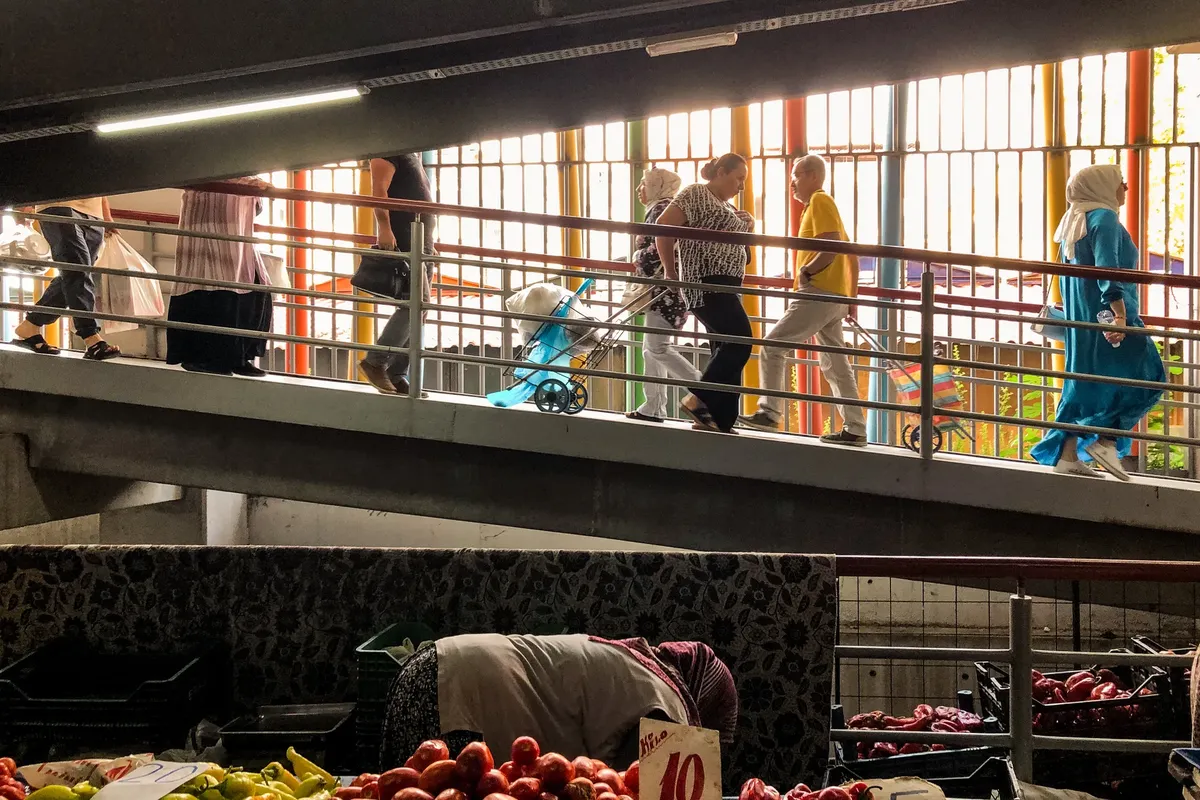
This global presence necessitates a stable internal economy to manage international obligations and domestic needs.
The Spanish social security system is deeply integrated into this global context, influencing how the nation interacts with international markets. A stable domestic social structure can lead to more predictable economic behavior on the global stage.
This stability is vital for maintaining the 1.36% share of global GDP.
The influence of international standing is often constrained by domestic political priorities and budgetary limits.
How did historical economic shifts affect the social safety net?
An archivist flips through old documents, noting the periods of contraction and expansion in the Spanish economy. In aggregate, GDP decreased almost 9% during 2009–2013.
Such periods of contraction place immense pressure on social security systems, requiring careful management to prevent the collapse of the safety net.
The resilience of the social security system is tested during these downturns, where the need for support increases while tax revenues often decrease. Managing these cycles is a primary challenge for policymakers tasked with maintaining the 23% GDP allocation.
Historical data shows that these fluctuations are a recurring part of the economic landscape.
I find that the third historical shift described here is the most significant.
What is the current trajectory of the Spanish economy?
A financial analyst monitors real-time data feeds, watching for the latest updates on growth and fiscal health. According to the International Monetary Fund (IMF), Spain recorded real GDP growth of 2.1% in 2026. This steady growth is essential for the continued funding of the social security system.

The current trajectory suggests a period of manageable growth that supports ongoing social commitments. Maintaining this momentum is necessary to ensure that the social safety net remains efficient and strong.
The balance between growth and social spending remains the central focus of Spanish fiscal management.
The current trajectory remains uncertain if external shocks disrupt existing trade patterns.
World Bank
- How much does the social security system contribute to the GDP?
- What is the relationship between social security and overall economic growth?
- How does Spain's productivity compare to the rest of the world?
Related
- Spain religious values shift: Tips for modern beliefs
- Spain food export GDP impact: Why high-tech share matters
How does the system maintain the strength of the nation?
The social security system acts as a crucial buffer against market volatility, ensuring that the nation's citizens maintain a baseline level of support regardless of economic fluctuations.
This comprehensive framework supports the population, thereby reinforcing the overall strength of the nation during periods of stress. The substantial portion of the economy dedicated to social welfare helps stabilize the domestic consumer base, which is vital for sustained economic activity.
What conditions allow for the high level of social expenditure?
The high level of per capita productivity provides the necessary condition for sustaining the robust social safety net. Because Spain's GDP per capita is significantly above the global average, the nation generates wealth that helps offset the high costs associated with the 23% GDP allocation.
This ability to generate wealth above the global average is a key factor in maintaining the social commitment to the nation. The consistent economic output required to remain sustainable over the long term is directly supported by this high productivity level.
How does economic growth affect the nation's fiscal stability?
Economic growth provides the fiscal room necessary to fund extensive social programs without destabilizing the national budget. When GDP increases, the tax revenue required for social programs also increases, helping to offset the costs of an aging population.
This interplay between growth and social spending is central to maintaining the strength of the nation's social market economy. Managing these cycles of contraction and expansion requires careful management to prevent the collapse of the safety net, which is a primary challenge for policymakers.








Comments 0