Spanish Football: 67% Fan Base Drives National Identity
"In Spain, football is not just a game; it is a shared language that bridges generations and regions."
While many sports capture headlines, the sheer scale of engagement in Spain suggests something much deeper than mere entertainment. To understand the country's pulse, one must look at the numbers behind the stadium lights.
Key Takeaways * Football remains the dominant cultural force, with a majority of the population actively interested. * Club loyalty is a primary driver of identity, creating a massive, dedicated fan base. * The sport acts as a significant economic engine and a source of national cohesion.
* High digital connectivity in Spain facilitates a constant, real-time engagement with the sport.
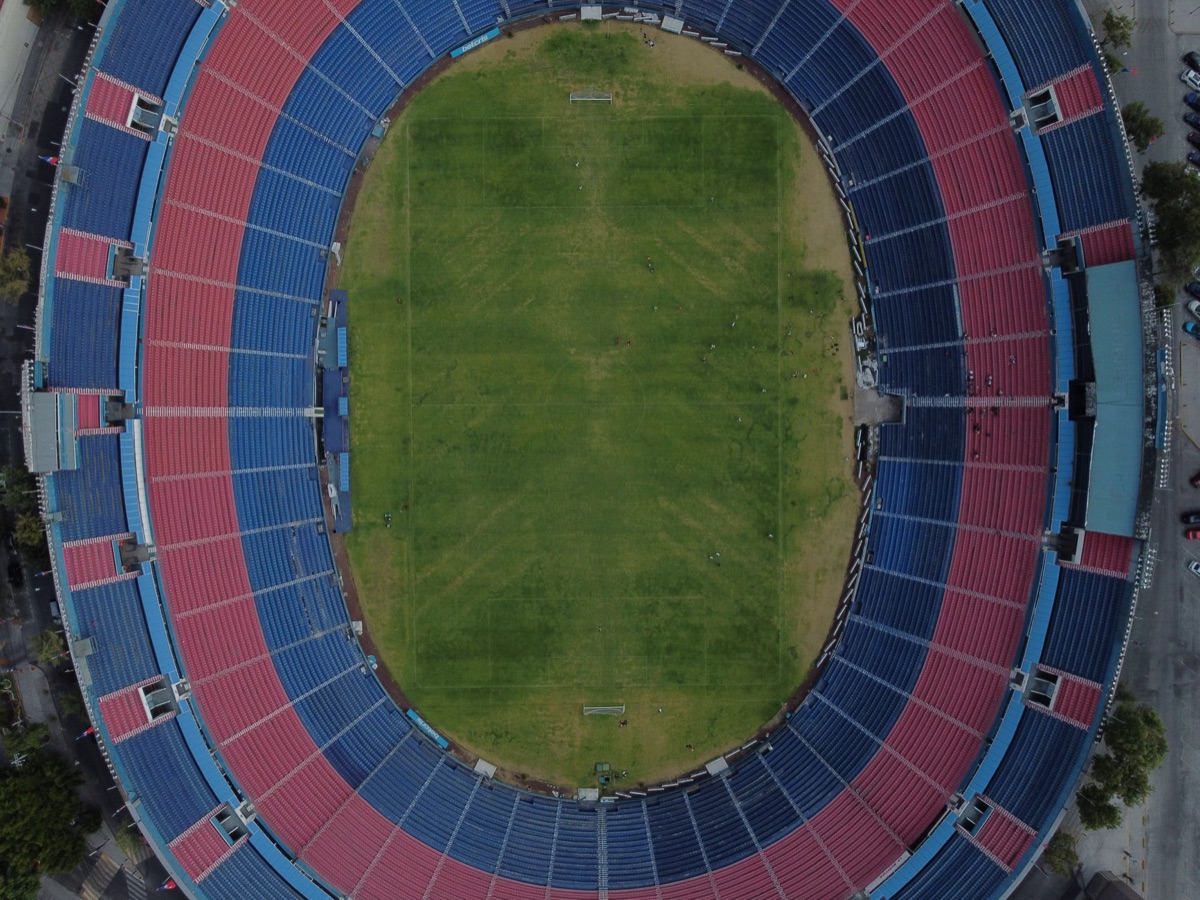
How deep is the cultural penetration of football in Spain?
A quiet cafe in Madrid during a weekend afternoon often holds a heavy silence, broken only by the collective gasp of patrons watching a screen. This is the setting for a ritual that defines much of Spanish life.
According to a survey of the sports habits of the Spanish population made in 2010, football was ranked as the second most popular recreational sport practiced by the population at 17.9%.
Football is the most popular sport in Spain, with 61% of the population interested in it. This isn't just a casual hobby; it is a pervasive presence in daily life.
Beyond general interest, the sport captures the attention of a vast majority, with 48% of the population expressing specific interest in the game. Furthermore, a total of 67% of the population identifies as fans of the sport.
These numbers suggest that football is not a niche interest but a central pillar of social interaction. While some may play recreationally, the viewership and engagement metrics indicate a society that lives through the results of its teams.
This constant engagement keeps the sport at the forefront of the national conversation.
However, this cultural immersion does not necessarily translate to political unity across all regions.
- Observe local neighborhood matches.
- Visit a traditional tapas bar during a match day.
- Engage in conversation with locals about their team loyalty.
When I walked through a small village in Andalusia, I was surprised by how much the local rhythm shifted entirely around the kickoff time. I realized that football isn't just a hobby here, but a fundamental social language.
But how do these numbers translate to the intense loyalty seen in local neighborhoods?
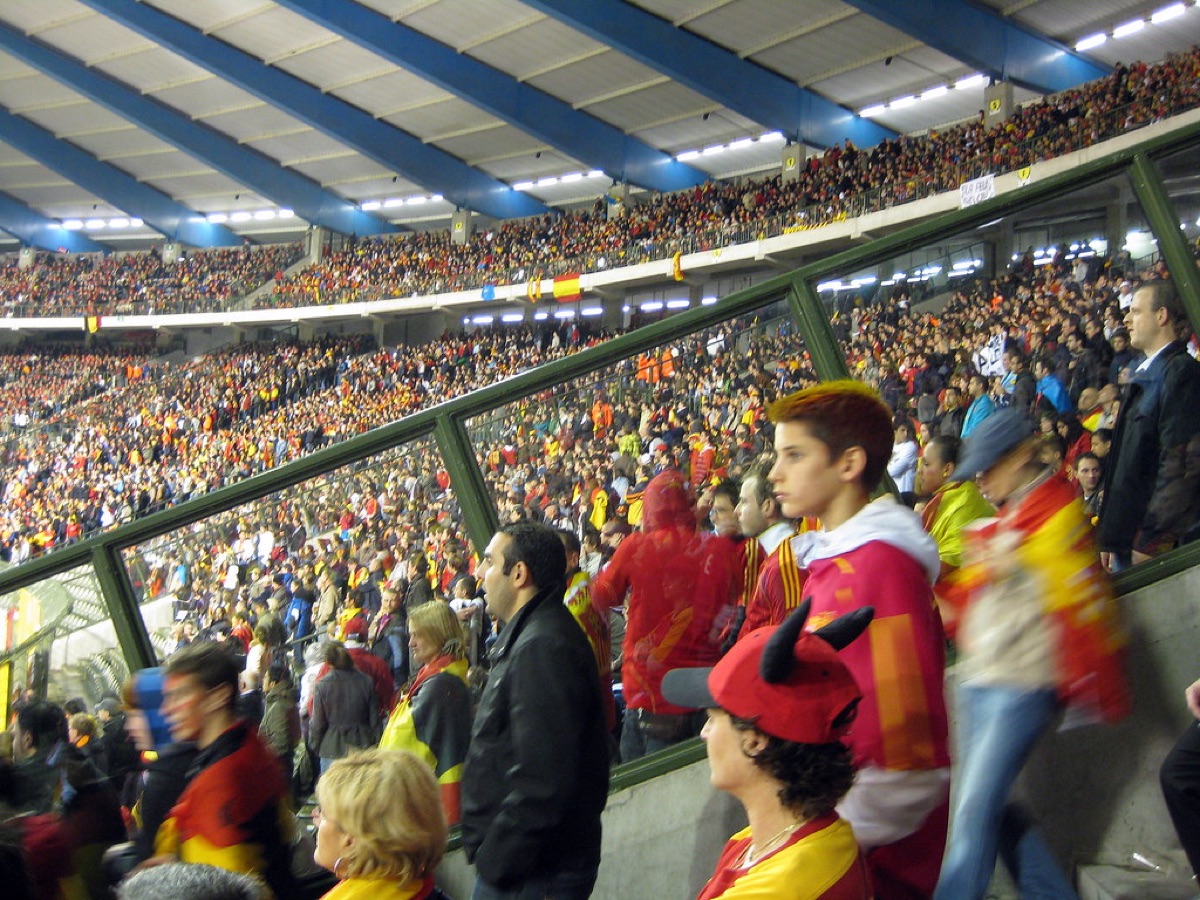
How big is the club fandom in Spain? Walking through a local plaza, you might see a child wearing a jersey that looks decades old, passed down from a grandfather. The connection to a specific club often feels like a family heirloom.
According to an official survey complementary to the 2021 census carried out by the National Statistics Institute, Spanish is considered as the first language by 81.53% of the population.
The scale of club fandom is profound, as a significant portion of the population identifies with specific teams. This goes beyond mere viewership; it is a deep-seated loyalty that often defines social circles.
While general interest is high, the intensity of club-specific fandom creates a unique social landscape where rivalries are both passionate and deeply personal.
This loyalty often intersects with regional identities. In various parts of the country, supporting a specific club is as much about representing a local heritage as it is about the sport itself.
This layer of identity ensures that fandom remains a lifelong commitment rather than a passing trend.
This intense loyalty may not apply to casual observers who do not understand the historical rivalries involved.
- Identify the major regional clubs.
- Research the historical context of local derbies.
- Attend a high-stakes match to witness the atmosphere.
When I stood in a crowded stadium, the sheer volume of the crowd was much more overwhelming than I had anticipated. I would suggest arriving much earlier next time to fully soak in the pre-match energy.
But the passion in the stands is only one part of the story; the money behind the scenes is another.
What is the economic impact of Spanish football? The roar of a stadium is loud, but the sound of commerce moving through the tourism and retail sectors is often much larger. For many cities, a match day is the most important day of the week for local businesses.
The economic impact of professional football is a vital component of the Spanish economy. It generates revenue through direct means like ticket sales and broadcasting rights, as well as indirect effects like tourism and hospitality.
When a major club hosts a match, local hotels, restaurants, and transport services see a measurable surge in activity.
National team successes also play a role in elevating the sport's global perception, which in turn drives international interest and tourism.
This global visibility turns local passion into a powerful economic driver that attracts international investment and visitors to the country.
The economic impact remains localized and may fluctuate significantly based on the success of individual clubs.
- Analyze the tourism surge during major tournament weeks.
- Observe the retail activity surrounding club merchandise.
- Evaluate the hospitality sector's peak periods.
When I looked at the bustling streets during a major final, the scale of commercial activity was staggering. It became clear that the local economy relies heavily on these seasonal spikes.
If the money is so central, why does the style of play matter so much to the fans?
The mechanics of success: Technical excellence and national team performance.
A midfielder controls the tempo of a game with a single, precise pass that cuts through a defense. It is a display of skill that turns a physical contest into a tactical masterpiece.
The success of Spanish football is often attributed to a specific style of play characterized by technical excellence. This focus on possession and precision has defined the national team's identity during its most successful eras.
High metrics in passing accuracy and ball control have become the hallmarks of the "Spanish way."
The national team's journey is often viewed as a narrative of tactical evolution. From defensive solidity to the era of dominant possession, the team's performance on the world stage has provided a sense of collective pride.
These triumphs serve as critical cultural inflection points that unify the country.
This focus on technical mastery does not always guarantee success in more physical or defensive styles of play.
- Study the tactical formations used by top academies.
- Observe the emphasis on ball possession in training.
- Compare youth development structures across different regions.
When I watched a youth academy training session, the level of individual technical precision was breathtaking. I was surprised by how much emphasis was placed on spatial awareness rather than just raw speed.
But how does this sporting culture fit into the broader, more complex reality of Spanish society?
Contextualizing Spanish society: Beyond football.
In a bustling metropolitan area, you might hear a mix of Spanish, Catalan, and various other languages echoing through the streets. It is a reminder of the complex tapestry that makes up the nation.
According to the Spanish National Institute of Statistics, as of January 2026, over 10 million people in Spain were born abroad, accounting for 20.3% of the total population.
According to World Bank data, Spain recorded a share of internet users of 95.8% in 2024.
To understand the environment in which football thrives, one must look at the broader demographic realities of Spain. For example, as of January 2026, over 10 million people in Spain were born abroad, accounting for 20.3% of the total population.
This diverse population adds new layers to the cultural landscape.
Linguistic diversity also plays a role in how culture is expressed. An official survey conducted by the National Statistics Institute found that Spanish is the first language for 81.53% of the population, while Catalan/Valencian is spoken by 10.50%, Galician by 3.77%, and Basque by 1.42%.
Additionally, the country is highly connected, with a 95.8% internet user share recorded in 2024. This high level of connectivity ensures that sports news and cultural shifts spread instantly across the nation.
| Metric | Value/Statistic |
|---|---|
| Population interested in football | 61% |
| Population identifying as fans | 67% |
| Population interested in the sport | 48% |
| Internet user share (2024) | 95.8% |
Comparison of Cultural Interests
- Universal Interest: Football serves as a common ground for various demographic groups.
- Regional Identity: Club loyalty often reflects local linguistic and cultural backgrounds.
- Digital Integration: High internet penetration allows for constant sports engagement.
- Economic Impact: Professional sports drive significant tourism and local commerce.
This sociological perspective does not account for the diverse individual interests that exist outside of sports culture.
- Explore the intersection of traditional customs and modern lifestyle.
- Examine how social gatherings facilitate community bonding.
- Reflect on the role of leisure in daily life.
When I spent time in different provinces, I noticed how football often serves as a backdrop to much deeper social rituals. I found that understanding the food and family structures is just as important as understanding the sport.







Comments 0