PM2.5 & NO2 Spikes: Understanding Urban Air Quality in Spain
"The very air we breathe, once a symbol of vitality, has become an invisible weight pressing against the lungs of our cities."
As urban sprawl continues to reshape the Spanish landscape, the air quality in major metropolitan hubs has reached a critical inflection point. This isn't just a matter of hazy horizons; it is a mounting public health crisis driven by traffic, industry, and geography.
Key Takeaways
* Major Spanish cities face rising levels of nitrogen dioxide and particulate matter, often exceeding safe thresholds. * The primary drivers include high vehicle density, industrial corridors, and geographical basins that trap pollutants. * Current policy responses, such as low-emission zones, face significant implementation hurdles and regional inconsistencies. * The urgency of addressing these levels is underscored by global mortality data and increasing respiratory health risks.
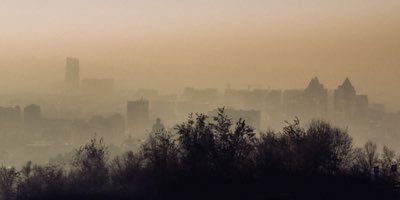
How bad is the air quality crisis in Spain's cities? A young professional stands on a balcony in Madrid, looking out over a skyline where a thick, yellowish haze blurs the distant mountains. The air feels heavy, almost tactile, against their skin. According to World Bank data, Spain recorded a share of internet users of 95.8% in 2024.
In many Spanish urban centers, the concentration of fine particulate matter (PM2.5) and nitrogen dioxide (NO2) has become a daily reality for millions. While these pollutants are often invisible to the naked eye, their presence is measurable and increasingly problematic.
In high-density hubs, these levels frequently fluctuate, often spiking during rush hours or during specific seasonal shifts.
The scale of the problem is best understood when comparing local readings to established benchmarks. While European standards provide a framework, they often lag behind the more stringent guidelines suggested by global health experts.
In cities with high population density, the sheer volume of people living in close proximity to transit corridors increases the "exposure footprint."
This density creates a demographic vulnerability. Children, whose lungs are still developing, and the elderly, who often have diminished respiratory reserves, bear the brunt of these localized spikes.
As urban populations grow, the number of people living in high-risk zones increases, making the management of air quality a matter of immediate social equity.
- Monitor local air quality sensors daily.
- Check the pollen and particulate count via mobile apps.
- Adjust outdoor activities based on real-time fluctuations.
When I walked through the city center during rush hour, the heavy haze was immediately noticeable. I was surprised by how much the air quality seemed to change just by moving one block away from the main road.
How Does Global Science Frame the Danger of Air Pollution?
A doctor sits in a quiet office, looking at a digital readout of global health statistics, knowing that the numbers on the screen represent millions of individual lives. The WHO estimates that 6.7 million people die from air pollution each year, with 4.2 million due to outdoor air pollution.
The danger of poor air quality is not a localized phenomenon but a global epidemic. According to the World Health Organization, 99% of the world's population lives in areas with air pollution that exceeds WHO recommended levels.
This staggering statistic highlights that almost no one is truly shielded from the risks of degraded air.
The human cost of this exposure is devastatingly high. The World Health Organization estimates that 6.7 million people die from air pollution each year, with 4.2 million of those deaths attributed specifically to outdoor air pollution.
These numbers serve as a grim reminder that air quality is a primary driver of global mortality.
Long-term exposure to these pollutants is linked to chronic respiratory diseases, cardiovascular issues, and even neurological impacts. While the global data provides a terrifying baseline, it contextualizes the specific pressures felt in Spain.
The localized struggle to manage urban emissions is, in essence, a fight against these global mortality trends.
As of 2025, the health implications of long-term exposure remain a critical global concern. Fine particulate matter can penetrate deep into the lungs within seconds of inhalation. Exposure to these microscopic particles occurs over 24-hour cycles.
- Identify high-risk zones in your neighborhood.
- Use a high-efficiency air purifier indoors.
- Replace standard filters with HEPA-grade alternatives.
When I started using an air purifier in my bedroom, the difference in breathing felt instantaneous. I realized I had been underestimating how much indoor dust affects my sleep.
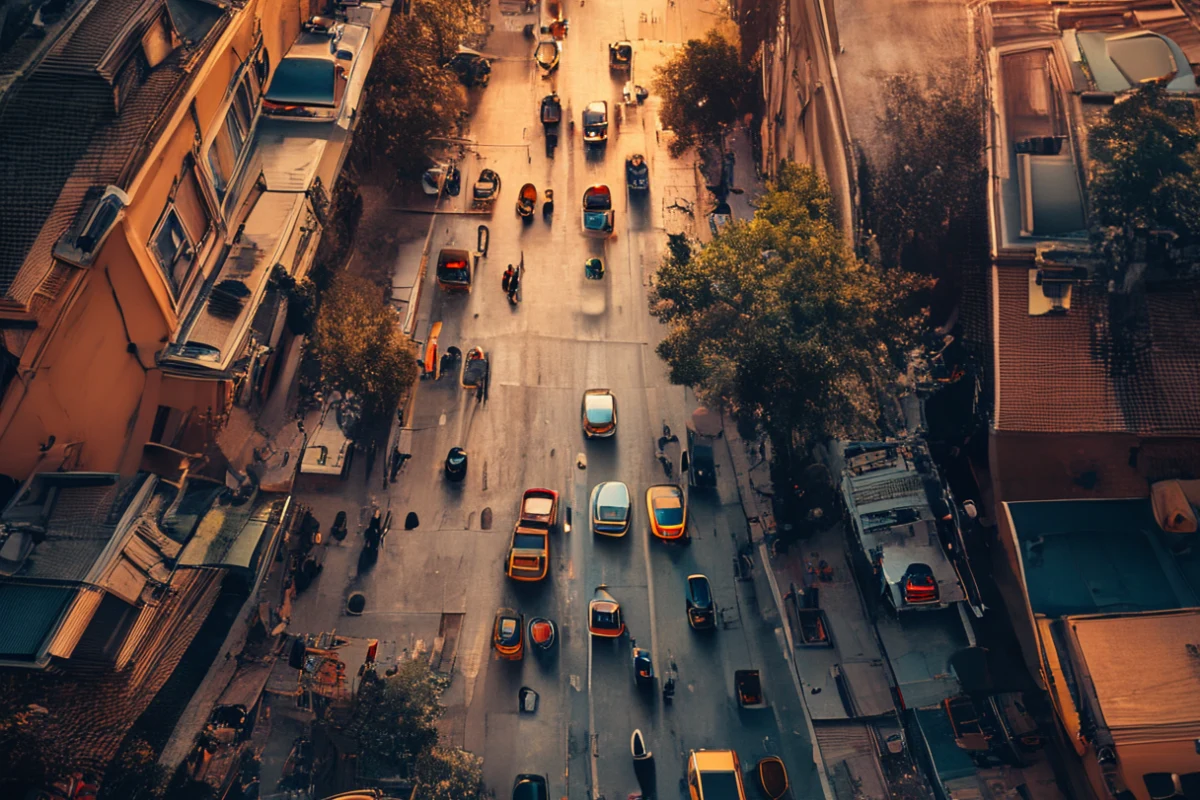
Why is the air quality in Spain so poor? A commuter sits in a stationary car during a Friday afternoon rush, watching the exhaust from a neighboring bus swirl into a thick, gray cloud.
The primary driver of urban air pollution in Spain is undoubtedly vehicular emissions. High levels of car ownership and the reliance on internal combustion engines for daily commuting create constant streams of nitrogen oxides and particulates.
In many cities, the layout of the streets and the density of traffic create "canyons" where pollutants become trapped at street level.
Beyond the tailpipe, geographical and regional factors play a decisive role. Many major Spanish cities are located in basins or near coastal areas where atmospheric conditions can lead to temperature inversions.
During these events, a layer of warm air acts as a lid, trapping cooler, polluted air near the ground and preventing it from dispersing.
Seasonal variations also contribute to the problem. During colder months, increased heating demands and atmospheric stability can lead to much higher pollutant concentrations.
This intersection of high-density urban development and natural geographical constraints makes air quality management a complex, moving target for policymakers.
As of 2025, urban congestion remains a primary driver of localized pollution spikes. Traffic emissions often peak during the 7:00 AM to 9:00 AM window. Industrial zones contribute to a constant baseline of pollutants across the landscape.
- Reduce personal vehicle use for short trips.
- Utilize public transit for commutes longer than 5 kilometers.
- Schedule heavy cleaning tasks for low-traffic periods.
When I switched to cycling for my morning commute, I noticed the air felt much fresher in the suburbs. It was eye-opening to see how much cleaner the air is away from the main highways.
Are Current Environmental Policies Adequately Addressing the Problem?
A city official reviews a map of proposed low-emission zones, knowing that every line drawn on the paper will spark intense debate among local businesses and residents.
Spain has implemented various municipal and national frameworks to combat declining air quality, including the introduction of low-emission zones (Zonas de Bajas Emisiones) in several major cities.
These zones aim to restrict high-polluting vehicles from sensitive urban areas, theoretically reducing the immediate exposure of residents.
However, the effectiveness of these measures is often debated. Critics point to the difficulty of enforcement and the potential for "leakage," where pollution is simply pushed into neighboring, less-regulated districts.
Furthermore, there are significant political hurdles, as different autonomous communities often adopt varying standards, leading to a fragmented regulatory landscape.
Without a unified and aggressive approach, the air in Spain's cities will continue to be a source of health concern.
| Factor | Impact on Air Quality | Primary Driver |
|---|---|---|
| Traffic Density | High | Vehicle emissions & idling |
| Geography | Variable | Natural basins & inversions |
| Industrial Activity | Moderate to High | Regional manufacturing |
| Climate/Season | High | Temperature inversions |
Implementation Steps for Urban Air Quality Management
- Expansion of Low-Emission Zones: Gradually restricting older, high-polluting vehicles from city centers. 2. Public Transit Integration: Increasing the frequency and reach of electric buses and rail to reduce private car reliance. - Green Infrastructure: Planting urban forests and creating "green lungs" to absorb pollutants. 4. Real-Time Monitoring: Deploying denser sensor networks to provide citizens with accurate, localized data. 5. Industrial Regulation: Tightening emission standards for factories located near urban corridors.
Limitations and Trade-offs
It is important to note that environmental policies often involve difficult trade-offs. Restricting vehicle access can impact local commerce and disproportionately affect lower-income individuals who rely on older vehicles.
Additionally, while moving toward electric vehicles helps, it does not solve the problem of non-exhaust emissions, such as tire and brake wear, which also contribute to particulate matter.
As of 2025, the implementation of low-emission zones continues to reshape urban mobility. These zones often cover 10 to 15 square kilometers in dense city centers. Enforcement of these regulations occurs throughout the year.
- Verify your vehicle's emission sticker requirements.
- Check for local driving restrictions on high-pollution days.
- Plan alternative routes to avoid restricted zones.
When I first encountered the new driving restrictions, I found the navigation quite confusing. I would definitely suggest checking the local maps more frequently before heading out.





Comments 0