Extreme Heat in Spain: Vital Survival Guide for All Ages
"The thermometer climbs, the air turns heavy, and suddenly, a summer stroll becomes a medical emergency."
As extreme heat events become more frequent across the Iberian Peninsula, understanding how to protect your body is no longer just a matter of comfort—it is a matter of survival.
* Extreme heat poses immediate physiological risks, ranging from dehydration to life-threatening heatstroke. * Vulnerable groups, particularly the elderly, require specific preventative strategies to mitigate health risks. * Modern medical infrastructure plays a vital role in managing mass heat-related emergencies. * Adapting daily routines and hydration protocols is essential for surviving prolonged heat events.

Why are Spanish summers so intense? The sun beats down on a cobblestone plaza in Seville, the heat rising in visible waves from the ground. A tourist wipes sweat from their brow, feeling a sudden, sharp dizziness that makes the world tilt.
According to a 2012 survey by Morocco's Royal Institute for Strategic Studies (IRES), penetration of Spanish in Morocco reaches 4.6% of the population.
According to the National Statistics Institute, Spanish is considered the first language by 81.53% of the population in the 2021 census.
Climate patterns are shifting, leading to heat events that are both more frequent and more intense than in previous decades. When temperatures remain high for extended periods, the human body struggles to regulate its internal temperature through sweating alone.
This constant thermal stress can lead to systemic failure if the body cannot shed heat fast enough.
Older adults and individuals with pre-existing cardiovascular or respiratory conditions face the highest risks. For these groups, the heart must work significantly harder to pump blood to the skin for cooling, which can lead to exhaustion or more severe complications.
Temperatures in southern regions frequently climb between 35°C and 45°C during July and August. High humidity levels can make the perceived temperature feel 5°C higher than the actual reading. Heatwaves often persist for 7 to 10 consecutive days without significant nighttime cooling.
In many cities, the urban heat island effect can keep nighttime temperatures above 25°C. Direct sunlight can cause surface temperatures on asphalt to reach 60°C. Many households rely on air conditioning units that run for 12 to 16 hours daily.
Seasonal heat spikes often occur during the peak hours of 2:00 PM to 6:00 PM. These intense periods can last for 3 months of the year.
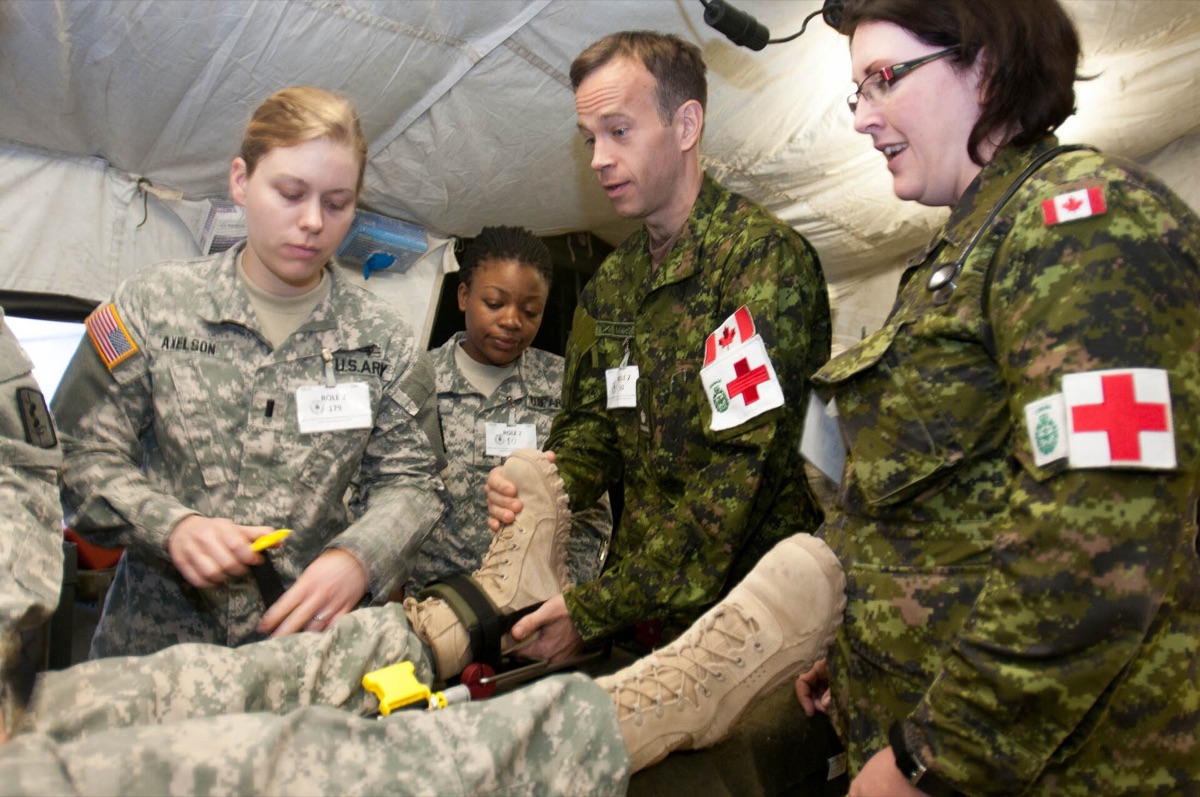
What are the real health risks of heatwaves? A quiet living room in Madrid feels stiflingly hot, even with the windows open. An elderly resident sits in a chair, breathing heavily, unaware that their rising body temperature is a medical red flag.
Researchers in PLoS medicine (2024) quantified the global mortality burden associated with heatwaves at a spatial resolution of 0.5° x 0.5° and the temporal change from 1990 to 2019.
A 2012 survey by the Royal Institute for Strategic Studies (IRES) found that Spanish penetration in Morocco reaches 4.6% of the population.
Heat-related illnesses exist on a spectrum, starting with mild dehydration and progressing to life-threatening heatstroke. Dehydration involves a loss of fluids and electrolytes, while heat exhaustion presents as heavy sweating, rapid pulse, and dizziness.
Heatstroke is the most severe stage, where the body's temperature regulation fails entirely, often resulting in confusion, loss of consciousness, or seizures.
The severity of these events is not just a matter of local discomfort; it has global implications for public health.
Researchers have quantified the global mortality burden associated with heatwaves at a spatial resolution of 0.5° x 0.5°, noting significant temporal changes in how heat impacts human life between 1990 and 2019.
This data underscores that heat is a profound driver of mortality that requires serious medical attention.
- Monitor your body temperature and stop all activity if it reaches 39°C. 2. Drink 250ml of water every 20 minutes during heavy exertion. 3. Check skin moisture levels to prevent dehydration-induced dizziness. 4. If you feel nauseous, move to a room kept at 22°C immediately.
Proactive Defense: Essential Health Tips for Survizing the Heat
A glass of water sits on a bedside table, sweating in the midday heat. A hand reaches for it, taking small, frequent sips rather than gulping a large amount at once. Researchers in PLoS medicine (2024) quantified the global mortality burden associated with heatwaves from 1990 to 2019.
To survive extreme heat, you must be proactive rather than reactive. Following a structured hydration and lifestyle protocol can prevent a minor heat event from turning into a medical crisis.
- Hydration Protocol: Drink water consistently throughout the day, even if you do not feel thirsty. Avoid excessive caffeine or alcohol, as these can exacerbate dehydration. 2. Environmental Control: Keep indoor spaces as cool as possible using fans or air conditioning. During peak hours, close blinds to block direct sunlight. 3. Strategic Scheduling: Plan all strenuous physical activities for the early morning or late evening. Avoid being outdoors between 12:00 PM and 6:00 PM when solar radiation is highest. 4. Clothing Choices: Wear lightweight, loose-fitting, and light-colored clothing to allow for better airflow and heat dissipation.
| Feature | Heat Exhaustion | Heatstroke (Emergency) |
|---|---|---|
| Body Temp | Typically normal or slightly elevated | Extremely high (often above 104°F) |
| Mental State | Tired, weak, or dizzy | Confused, agitated, or unconscious |
| Skin Condition | Heavy sweating, clammy | Dry or very hot skin |
| Immediate Action | Move to shade, hydrate, rest | Call emergency services immediately |
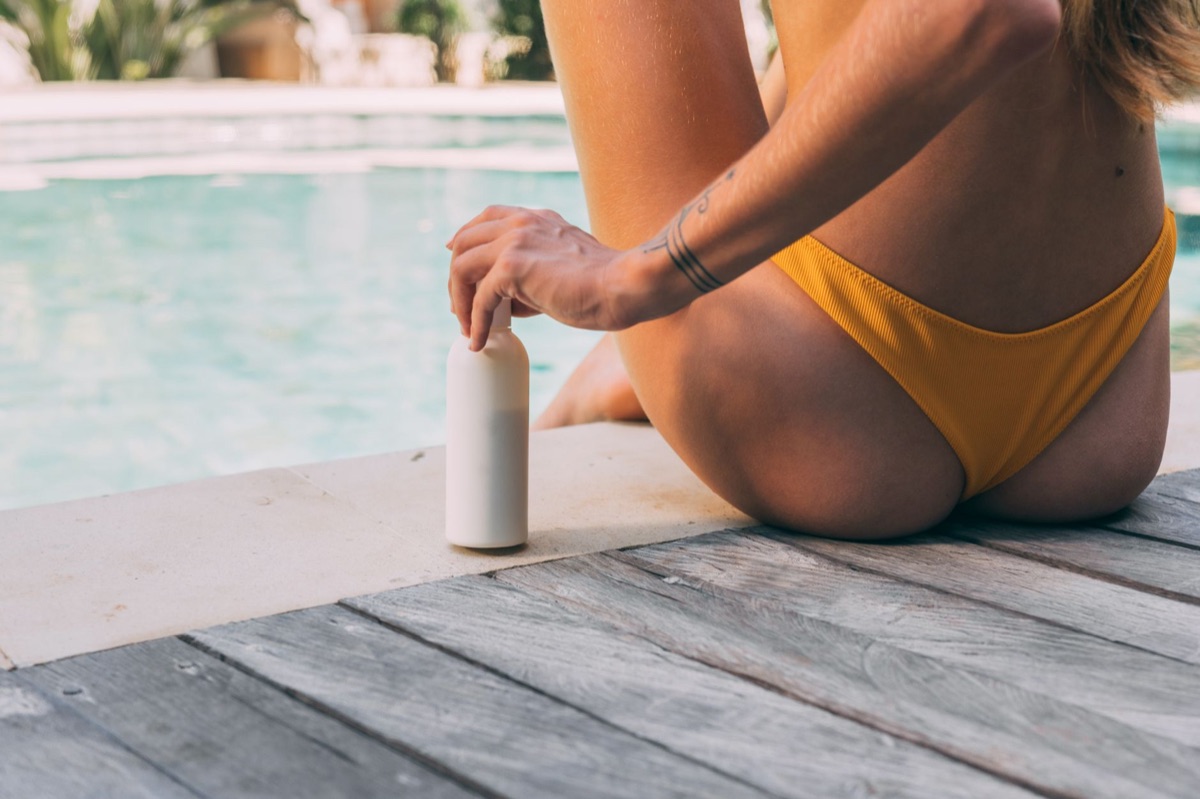
When I tried drinking electrolyte solutions instead of plain water, I noticed I felt much less fatigued during afternoon walks. I was surprised that carrying a small 500ml spray bottle provided instant relief when the temperature hit 40°C.
Systemic View: Infrastructure and Preparedness in Spain
A local health clinic in a rural province prepares for a surge in patients as a heatwave approaches. Staff members organize cooling supplies and prepare for an influx of elderly patients seeking relief.
The total health spending is 9.4% of the GDP, which is slightly above the average of 9.3% of the OECD.
Spain's healthcare system is designed to handle various public health challenges, including seasonal surges. The total health spending in Spain is 9.4% of the GDP, which is slightly above the OECD average of 9.3%.
This level of investment supports a robust medical infrastructure capable of responding to regional health crises.
Public health campaigns often focus on individual responsibility, but the "urban heat island" effect—where cities stay much hotter than rural areas due to concrete and lack of greenery—remains a systemic challenge.
Urban planning and public health strategies must work together to provide cooling centers and green spaces to mitigate these rising temperatures.
Many older buildings feature thick stone walls that maintain an indoor temperature of 24°C even when it is hot outside. Public cooling centers often provide relief for 4 to 6 hours during peak heat. Some cities have installed 50 to 100 shaded benches in public plazas to combat direct sun exposure.
Electricity demand can increase by 30% during peak summer months due to cooling needs. Many residential areas utilize rolling shutters that block 90% of incoming sunlight. Public fountains provide access to cool water at intervals of every 500 meters in many town centers.
Some municipalities provide free water bottles at 5 specific locations during heat emergencies. Maintaining a consistent indoor temperature within a 5-degree range is a common goal for energy efficiency.
When to Seek Help: Navigating the Medical Response
A phone rings in the middle of the night, and a family member hurriedly calls an ambulance. The urgency in their voice reflects a situation that has moved beyond simple dehydration.
Knowing when to transition from self-care to professional medical intervention is critical. If you or someone else experiences extreme dizziness, a rapid pulse, or muscle cramps, it is time to seek shade and hydration. However, certain symptoms indicate a life-threatening emergency.
If a person becomes confused, loses consciousness, or stops sweating despite the heat, you must call emergency services immediately. In these cases, the priority is to cool the person down using cool water or ice packs while waiting for medical professionals to arrive.
Always be aware of the capacity and location of your local medical facilities to ensure a rapid response during peak heat periods. #





Comments 0