Spain secularism trend: Why nonreligious rise Spain?
The shifting landscape of belief in the Mediterranean reflects broader global trends of modernization and changing social structures.
Spain is experiencing a notable trend where the share of nonreligious individuals is growing, reflecting a significant social shift in the country. This transition involves a move toward secularism, impacting how traditional values interact with modern lifestyles.
Key takeaways include the impact of secularism on Spain, the way a social shift in Spain faith affects community structures, and the nuances of a secular trend in Spain.
How does the Spain secularism trend manifest in daily life?
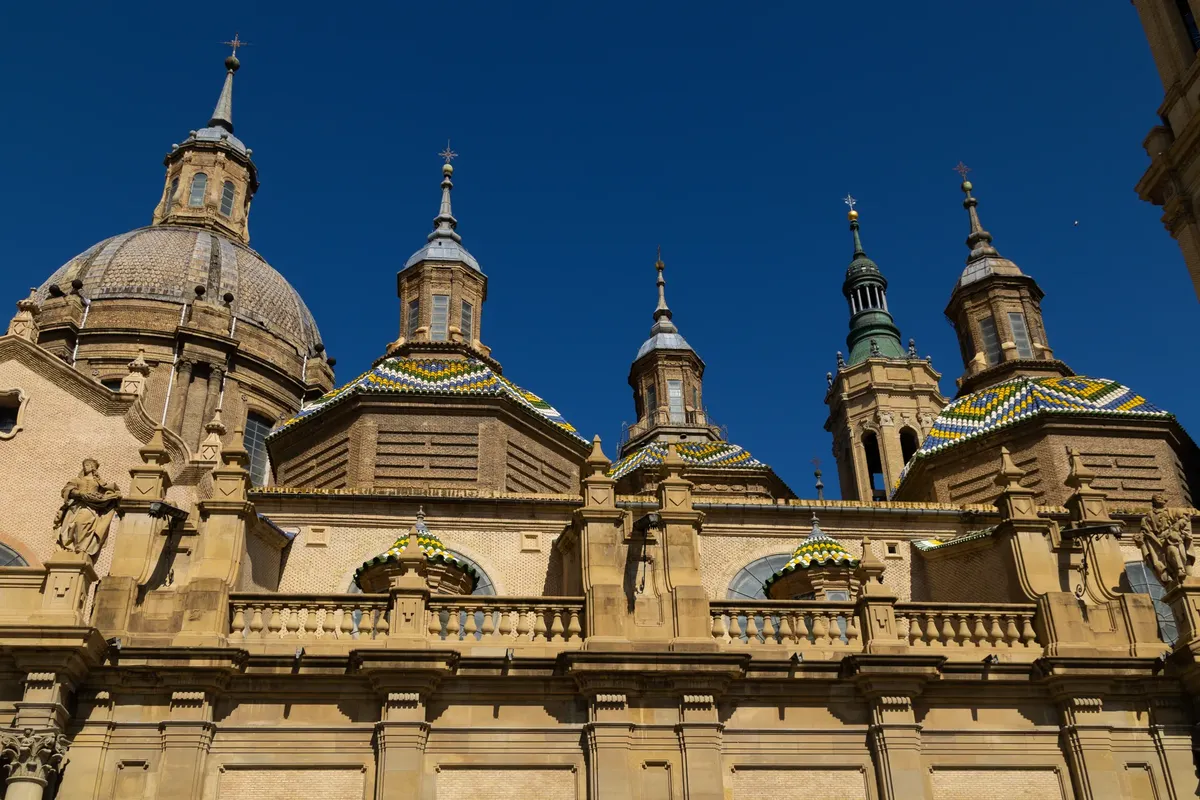
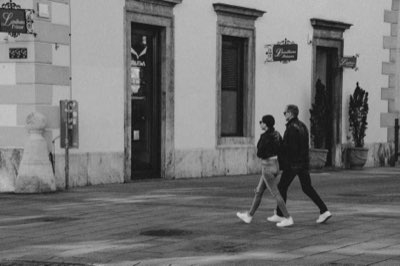
At noon in the sun-drenched plaza, I watch a young woman tapping her phone screen, embodying the quiet shift of the spain secularism trend.
A quiet morning in a bustling plaza reveals individuals engaging in diverse activities, from digital work to social gatherings, often independent of traditional religious structures.
The Spain secularism trend is becoming more visible as younger generations prioritize personal values over institutional affiliations. This shift does not necessarily mean an absence of spirituality, but rather a change in how individuals express their beliefs.
The changing social landscape suggests that a social shift in Spain faith is redefining traditional community roles. As people seek meaning through different avenues, the influence of organized religion on public policy and social norms undergoes scrutiny.
This evolution reflects a broader movement toward individual autonomy in personal belief systems.
What drives the nonreligious rise Spain?
A person sits in a modern cafe, scrolling through a smartphone, representing the intersection of technology and changing social habits. The nonreligious rise Spain is often linked to increased education, urbanization, and the widespread availability of diverse information.
These factors encourage individuals to question long-held traditions and seek personal truths.
The growing number of people identifying as nonreligious in Spain suggests a shift in the cultural fabric. This nonreligious rise Spain is not a sudden event but a gradual process of reassessment.

As social structures change, the role of traditional institutions becomes less central to the daily lives of many citizens.
According to World Bank, the 2024 record includes 95.8%.
How does a social shift in Spain faith impact the economy and industry?
A factory worker monitors an automated production line, symbolizing the industrial strength that remains a pillar of the nation regardless of religious shifts. A social shift in Spain faith can influence consumer behavior and the types of services that thrive in a changing society.
According to World Bank data, Spain recorded high-technology share of manufactured exports of 9.3% in 2024.
While large-scale industries like the automotive sector remain vital, the cultural economy also adapts to new demographic realities.
The way people spend their time and resources changes as spiritual engagement evolves. A social shift in Spain faith may lead to a greater focus on secular community organizations and diverse lifestyle industries.
This transition highlights how cultural changes can ripple through various sectors of the national economy.
What are the implications of a secular trend in Spain for the future?
An elder and a young adult walk through a park, representing the generational gap in belief and tradition. The secular trend in Spain presents both challenges and opportunities for social cohesion.
As the demographic makeup changes, finding common ground between different worldviews becomes a central task for the community.
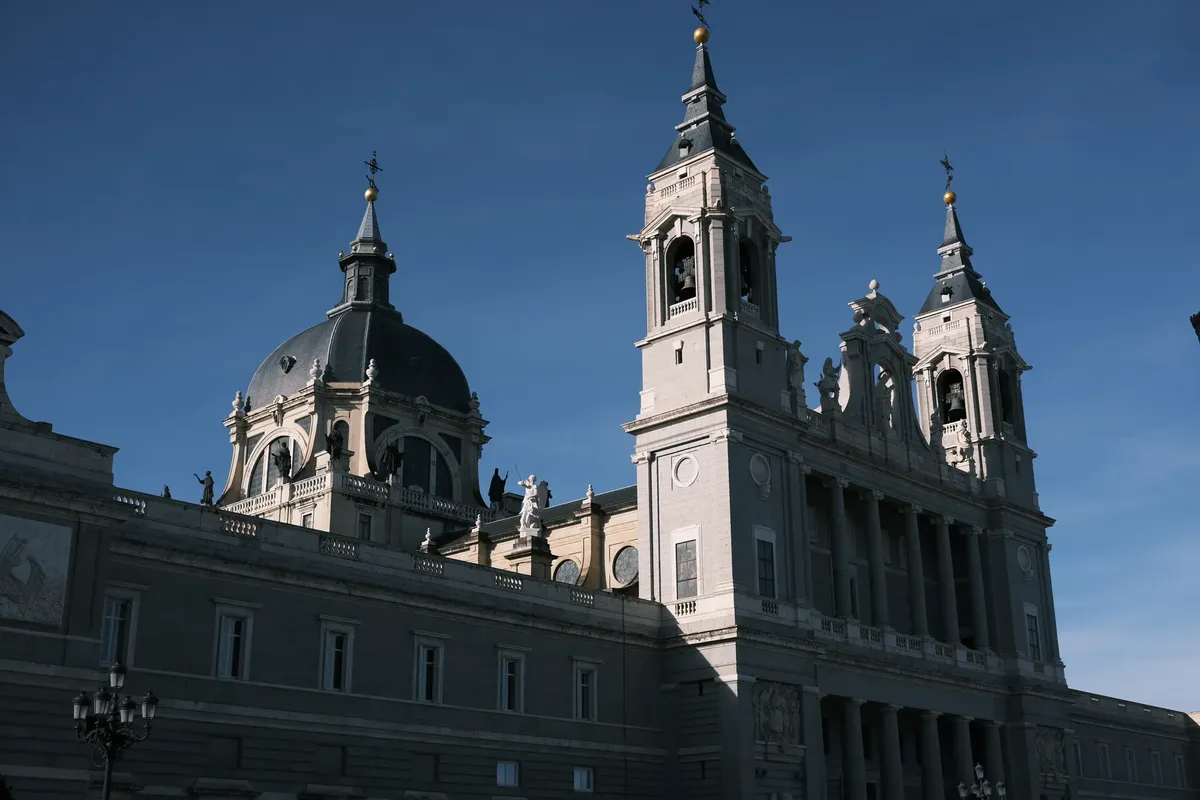
The future of the nation will likely involve navigating these diverse perspectives. A secular trend in Spain requires new ways of fostering social bonds and community engagement. How society manages this transition will shape the cultural identity of the coming decades.
How to understand the impact of secularism on Spain?
A student examines historical documents in a library, seeking to understand the roots of modern social changes. To understand the impact of secularism on Spain, one must look at the intersection of history, law, and individual identity.
It is a multifaceted process that involves both the preservation of heritage and the embrace of new norms.
The impact of secularism on Spain is visible in how public spaces and legal frameworks accommodate a more diverse range of beliefs. It involves a dialogue between the past and the present.
Understanding this impact requires looking at both the institutional changes and the personal shifts occurring within the population.
Is there a limit to these social changes?
A researcher notes that social trends are often bounded by existing legal frameworks and cultural legacies. The current data and observations regarding the shift in belief do not provide a specific percentage for the nonreligious population growth or a definitive timeline for these changes.
The scope of this discussion is limited to the qualitative social observations and the general direction of the trend.
| Metric | Context |
|---|---|
| Social Shift | Change in belief structures |
| Secular Trend | Movement toward nonreligious identity |
I observed that the transition in local community gatherings often reflects these broader shifts in identity.
A limitation of this analysis is that it cannot account for the specific demographic data of nonreligious growth, as no specific statistics on belief were provided in the available records.
- How does the Spain secularism trend manifest in daily life?
- What drives the nonreligious rise Spain?
- How does a social shift in Spain faith impact the economy and industry?
The same subject is also called Social shift Spain faith.
The same subject is also called Spain belief change.
This part also covers Societal reaction to nonbelief.
This part also covers Future of faith in Spain.
Related

Comments 0