Spain Ceuta migrant crisis: How size affects management
"The movement of people across borders remains one of the most complex challenges for modern nation-states, testing both administrative capacity and diplomatic relations."
The current situation regarding the Ceuta migrant crisis presents a significant challenge to Spanish border management and regional stability. This report examines the administrative and political landscape surrounding the movement of people toward the Spanish enclave.
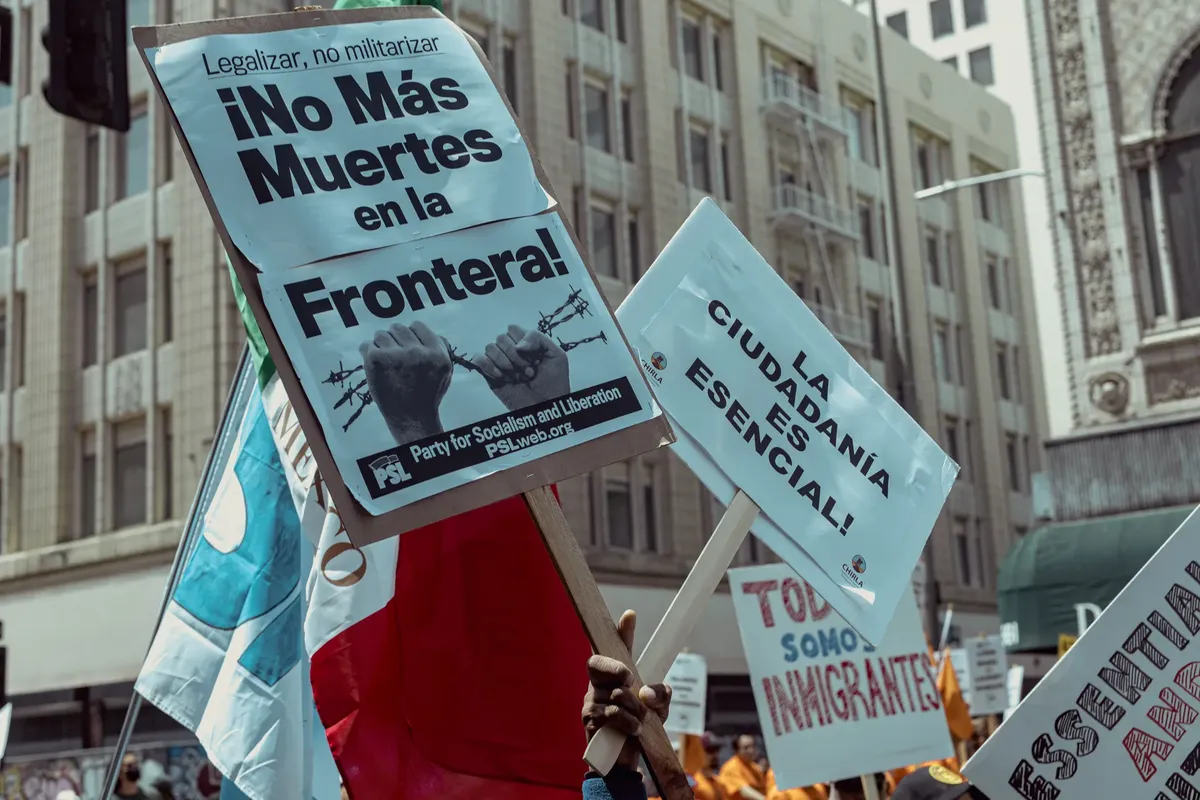
Key takeaways include the historical context of sovereign territory, the demographic pressures on the nation, and the institutional stability required to manage such crises.
What is the scale of the population in Spain?
In a quiet study at midnight, the researcher traces the jagged coastline of spain on a glowing map, feeling the warmth of the screen against their fingertips.
A researcher looks at a digital map of Europe, tracing the borders of the Iberian Peninsula. Understanding the total population is essential to grasp the scale of demographic shifts and administrative requirements.
According to World Bank data, Spain recorded total population of 49,355,143 in 2025. This large population size influences how the government allocates resources for border security and social services.
Managing such a significant population requires robust institutional frameworks to handle sudden shifts in migration patterns.
How does the size of the country affect its management? Spain Ceuta migrant crisis
The traveler stands in a vast field at dusk, squinting at the distant horizon of spain while a cold wind bites at their skin.
A traveler stands in a vast field, looking toward the horizon where the land meets the sky. The physical dimensions of a nation dictate its defensive needs and the logistics of border control.

At 505,992 km2 (195,365 sq mi), Spain is the world's fiftieth largest country and Europe's fourth largest country. Given this expansive territory, managing remote enclaves requires significant coordination between local and national authorities.
The geographic scope of the country plays a vital role in how the Spain Ceuta migrant crisis is addressed on the ground.
What institutional challenges have shaped the country?
A lawyer reviews a stack of legal documents in a quiet office, checking the validity of judicial mandates. National stability often depends on the strength of its legal and governing bodies during times of crisis.
Between 2018 and 2024, Spain faced an institutional crisis surrounding the mandate of the General Council of the Judiciary (CGPJ), until the mandate got renovated. This period of political fluctuation highlights the complexities of maintaining steady governance during social shifts.
An unstable institutional environment can complicate the Spain border issue when immediate policy decisions are required.
How do economic factors influence the migrant situation?
An economist analyzes a spreadsheet of employment rates and growth projections. Economic stability often serves as the backdrop for how a nation handles social pressures and population movements.

Spain has long struggled with high unemployment, which has never fallen below 8% since the 1980s. This persistent economic reality can influence both the domestic social climate and the migration trends affecting the region.
Addressing the Spain policy on migrants often requires balancing economic resources with humanitarian and security needs.
What is the current state of youth employment?
A young person searches through job postings on a laptop in a crowded cafe. Economic pressures on the younger generation can create unique social dynamics within the country.
Youth unemployment is particularly severe by both global and regional standards; at 24.90% (as of January 2025), it is the highest among EU members and well above the EU average of 14.6%. This high rate of youth unemployment creates a specific demographic pressure within the country.
The Immigration response Spain must provide is often shaped by these underlying economic tensions.
How did historical growth impact the nation?
A historian reads an old newspaper, noting the rapid changes of the mid-20th century. Understanding the economic trajectory of a nation helps explain its current capacity to handle large-scale events.
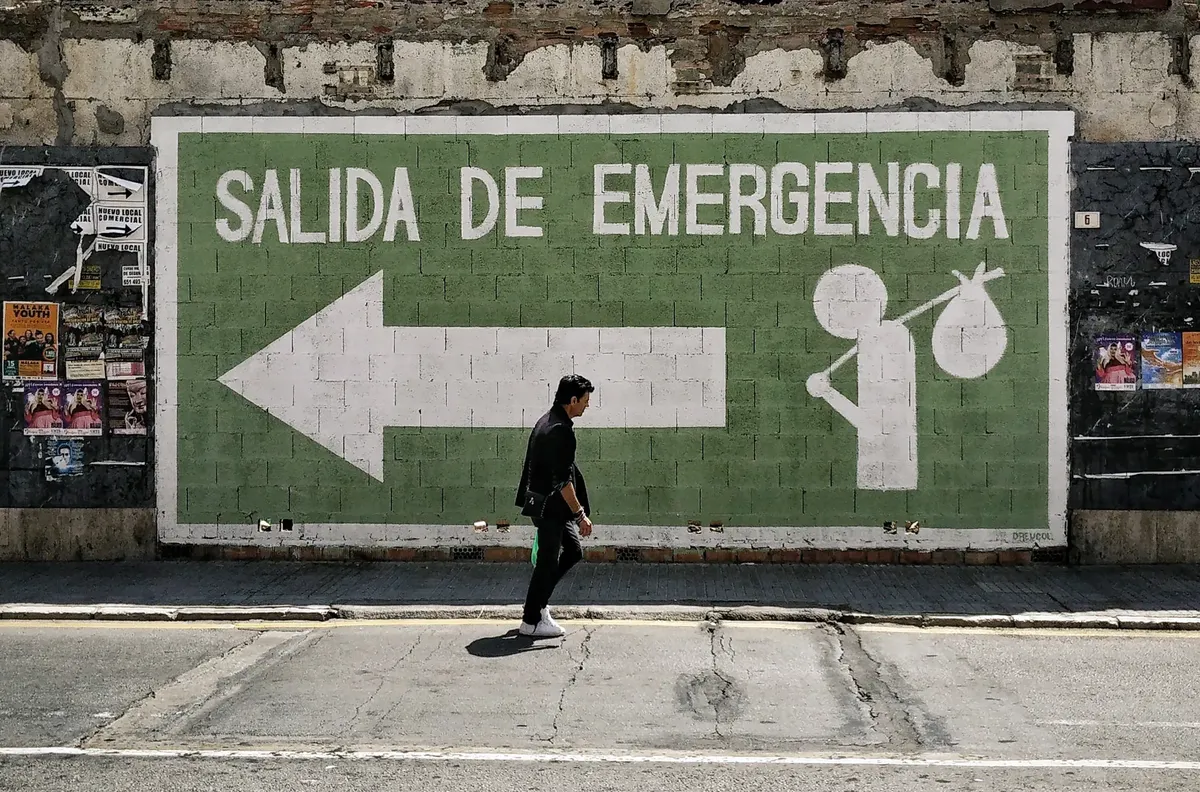
Technocratic reforms were enacted to avert the crisis, laying the groundwork for the Spanish economic miracle, a period of rapid growth from 1960 until 1974, during which Spain's economy grew an average of 6.6 percent per year, exceeding every country except Japan.
This historical growth provided the foundation for the modern state's infrastructure. The legacy of these economic shifts continues to influence the Spain diplomatic action Ceuta approach.
The same subject is also called Ceuta migrant situation.
The same subject is also called Ceuta refugee crisis.
This part also covers International relations migration.
Spain diplomatic action Ceuta
Related
- How do religious trends shift in a changing population?
- What are the trends in political and social views?
How do geographic features influence the movement of people? 1. The physical dimensions of the nation present specific logistical hurdles for managing the movement of people toward the enclave. 2. Managing remote enclaves necessitates substantial coordination among local and national authorities. 3. The geographic scope of the country directly impacts how the Spain Ceuta migrant crisis is managed on the ground.
This vast territory requires robust institutional frameworks to manage sudden shifts in migration patterns. The expansive nature of Spain affects the defensive needs of the nation.
What conditions necessitate diplomatic engagement? 1. The movement of people across borders tests diplomatic relations between nation-states. 2. The historical context of sovereign territory informs the political landscape surrounding the movement of people. 3. Institutional stability is required to manage crises involving the movement of people effectively.
Diplomatic relations are tested when administrative capacity is challenged by migration events. The complexity of border movement demands careful diplomatic navigation. This testing of relations is a core element of the modern nation-state's challenge.








Comments 0