Spain religious values shift: Tips for modern beliefs
"The shift in religious values within a society often mirrors the changing landscape of its economic and technological development."
The changing landscape of Spanish religious values is deeply intertwined with broader social shifts and economic progress.
This analysis explores how modern development influences faith, the differences in how various generations approach spirituality, and the distinction between cultural identity and active practice.
How does economic development affect Spain religious values shift?
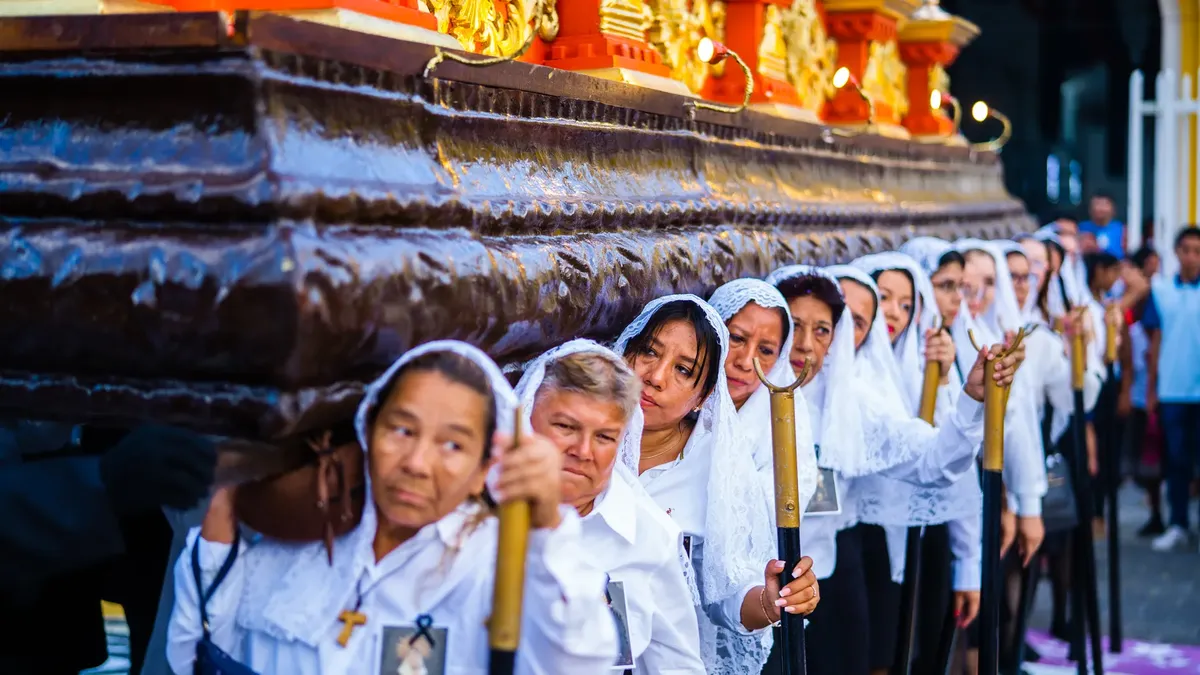
At noon in a bustling Madrid cafe, I tap my phone screen while feeling the cool breeze of progress shifting the soul of spain.
A researcher sits in a quiet cafe in Madrid, watching the seamless integration of digital tools into daily life. The intersection of progress and tradition often defines the trajectory of modern nations.
This relationship suggests that as societies reach higher levels of technological integration, traditional religious structures may undergo significant transformations.
This high level of connectivity represents a modern environment where information and secular values are readily accessible.
Such economic indicators often coincide with the social shifts seen in highly developed nations.
- Increased prosperity leads to greater individual autonomy.
- Urbanization creates more diverse social environments.
- Material stability shifts focus from communal faith to personal fulfillment.
How are Spanish beliefs changing?
At sunset in a quiet plaza, I watch the shadows lengthen as the scent of jasmine carries the shifting spirit of spain through the air. An elderly woman walks through a historic cathedral, while her grandson looks at his smartphone, both occupying the same physical space but different mental worlds. This illustrates the tension within changing Spanish beliefs.
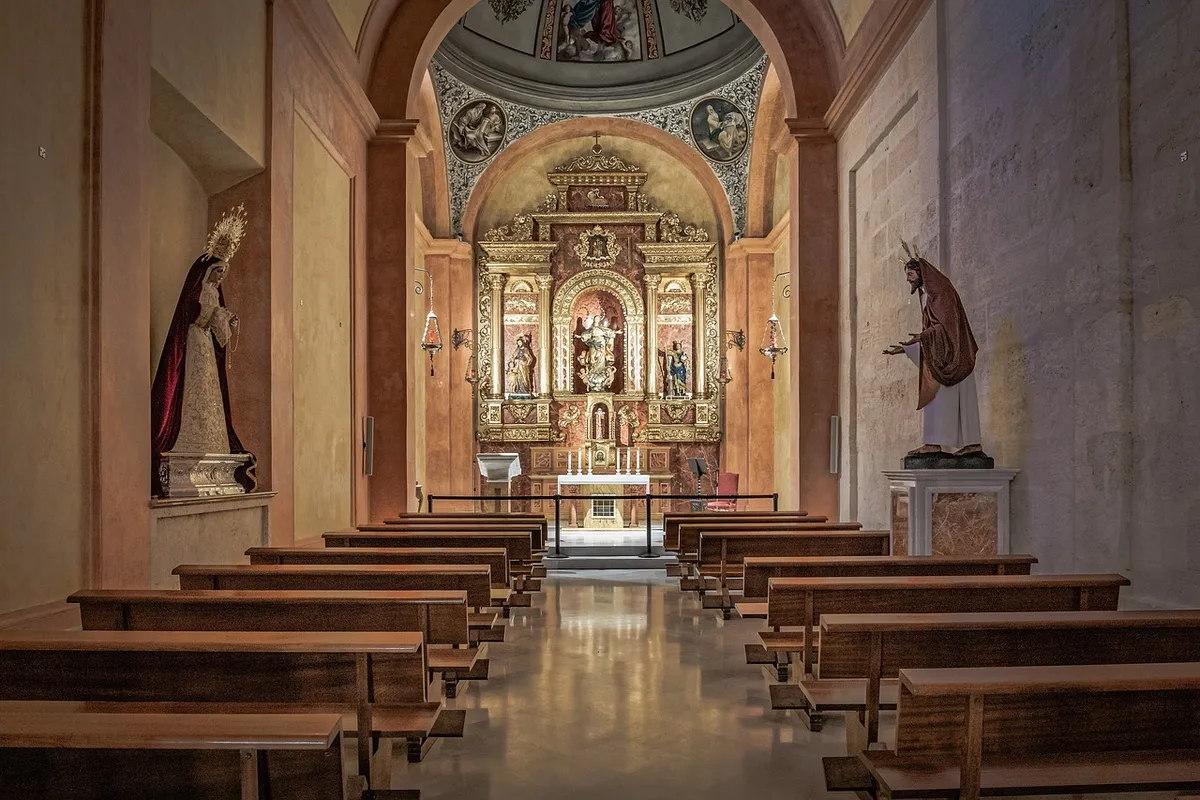
Secularization trends often manifest as a gradual movement away from institutional religious dominance toward individualistic or non-religious identities. This process is not a sudden disappearance of faith but a reconfiguration of how people relate to the divine.
Faith in modern Spain is often viewed through the lens of cultural heritage rather than active participation. Many individuals maintain a connection to religious traditions for social or familial reasons without adhering to strict dogma.
The evolution of institutions, such as the transition of Harvard University from a predominantly religious institution into a secular institution, illustrates how social structures differentiate over time.
This process shows how religious elements can be preserved in specialized settings while the broader institution becomes secular.
In this sequence, the second step is the most extensive.
How do generational differences shape the social impact of Spanish religion?
A family gathers for Sunday lunch, where the conversation shifts between traditional values and modern lifestyles. This generational gap is central to understanding the social impact of Spanish religion.
Generational faith differences in Spain are often marked by the distinction between those raised in religious households and those identifying as unaffiliated. While older generations may hold more traditional views, younger generations often adopt more secular or pluralistic perspectives.
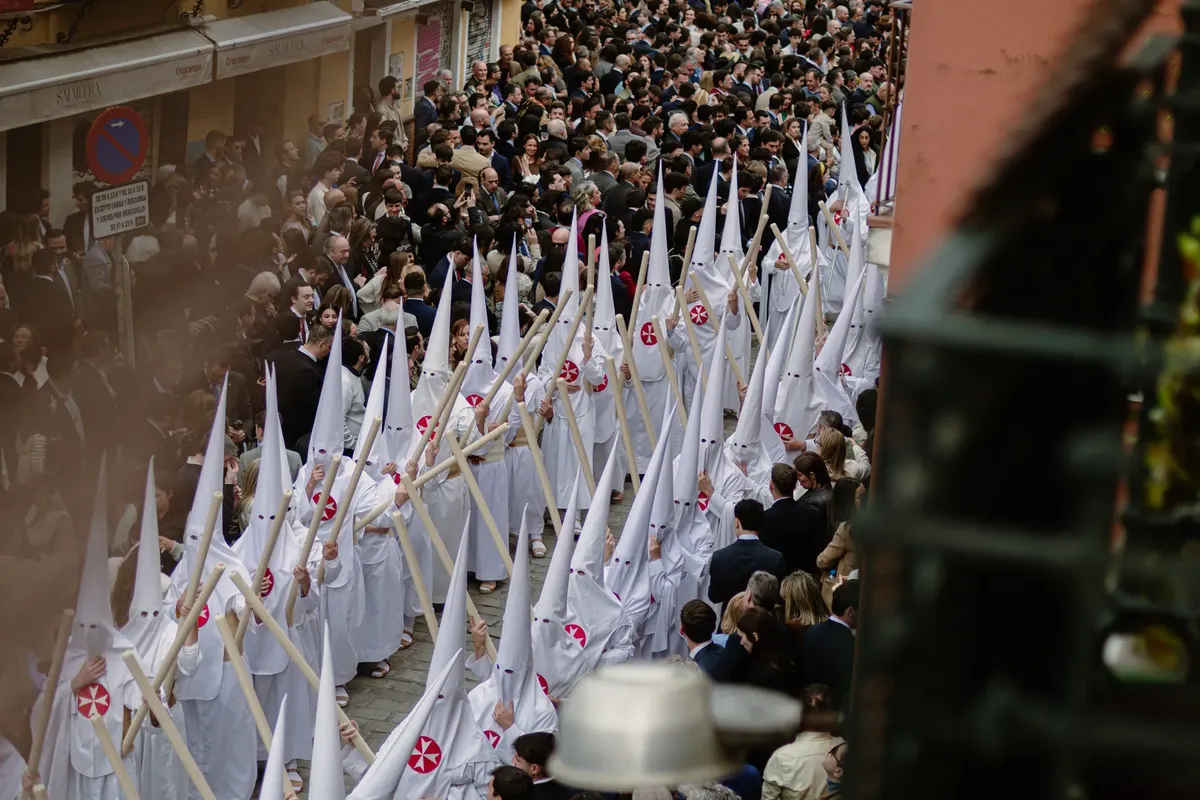
The social impact of Spanish religion is increasingly shaped by the rise of the "nones," or those who identify as religiously unaffiliated. This group often represents a growing portion of the population in many developed nations.
This comparison highlights how upbringing influences long-term religious identity.
How do secularization and values shape Spain? A student reads a philosophy book in a public library, reflecting on the role of ethics in a post-religious world. This quiet contemplation is part of the broader conversation regarding secularization and Spanish values.
Secularization and Spanish values often overlap in the public sphere, where legal and social norms become increasingly detached from religious doctrine. This shift allows for a more diverse range of lifestyles and beliefs to coexist within the state.
The process of secularization can lead to a more pluralistic society where religious and non-religious individuals interact under common civic laws. This transition often involves the reassessment of how traditional values contribute to modern social cohesion.
One limitation is that the specific rate of secularization in Spain cannot be fully understood without comprehensive, localized longitudinal data that tracks individual shifts in belief over decades.
Summary of Identity Shifts
| Identity Type | Description of Trend |
|---|---|
| Raised in Faith | Maintains identity based on upbringing |
| Non-verts | Individuals who leave their original religion |
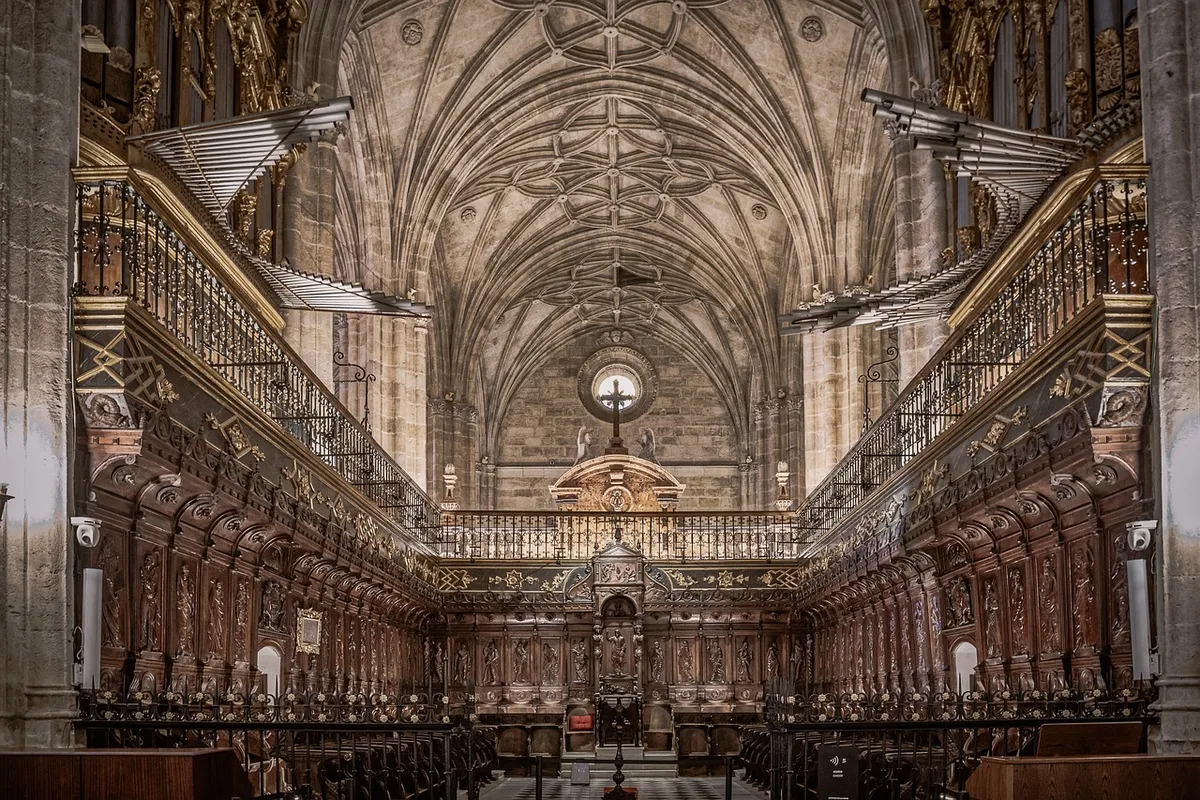
I observed how these shifts in identity affect the way people interact with their community.
Wikipedia: Secularization Based on the retained excerpt mentioning Pew Research Center: In 2018, Pew Research Center found that a large majority (89%) of those who were raised as Christians in the United Kingdom still identify as such, while the remainder mostly self-identify as religiously unaffiliated.
The subject here is Spain religious values shift.
The same subject is also called Spain secularization trends.
The same subject is also called Religion in Spanish society.
Related
- Spain food export GDP impact: Why high-tech share matters
- Spain's Economy: 2.8% Growth Amidst 10.4% Unemployment Rate



Comments 0