How do religious trends shift in a changing population?
"The shift in religious identity reflects a changing social landscape where traditional structures meet modern individual beliefs."
The comparison of religious trends reveals a significant shift in how individuals identify with faith. This analysis explores the differences between those with no religious affiliation and those who actively reject belief, looking at how these trends manifest in changing populations.
Key takeaways include the decline of traditional Christian identification, the distinction between being unaffiliated and being an atheist, and the specific demographic shifts seen in European contexts.
How do religious trends shift in a changing population?
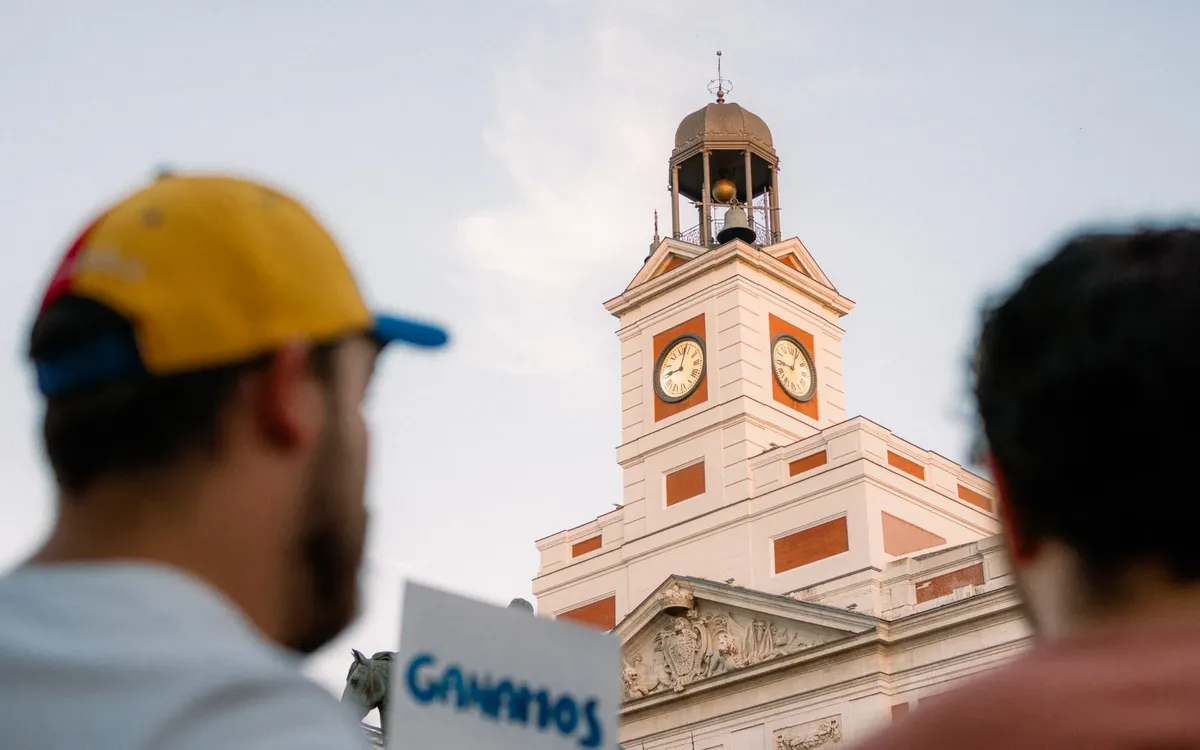
At dusk in the quiet library, she traces the aging maps with trembling fingers to see how religious patterns have drifted across the continent.
A researcher sits at a desk, looking at data points that trace the movement of belief across decades. The data shows that religious identification is rarely static.
In many Western contexts, the fraction of people identifying with a specific religion has seen a steady decline. For instance, in the United States, the fraction of Americans identifying as Christians sank from 80.1% to 69% in 2021. This shift suggests a broad movement toward secularization.
The movement of these numbers indicates a changing social structure. As traditional religious identification drops, new categories of identity emerge. These changes often reflect broader cultural shifts rather than a uniform move toward atheism.
- Demographic shifts occur through birth rates.
- Migration introduces new belief systems.
- Aging populations change the overall religious landscape.
What is the difference between being unaffiliated and being an atheist?
A person holds a book on philosophy, contemplating the distinction between having no church and having no belief. The terms are often used interchangeably, but they represent different social realities.
The term "nones" often describes those who do not identify with a particular religion. For example, 72% of American unaffiliated or "Nones" believe in God or a Higher Power. This group maintains a sense of spirituality without institutional ties.
In contrast, a move toward atheism implies a specific rejection of a deity. While secularization affects many, it does not always result in a loss of belief. The data suggests that many who leave organized religion still hold onto spiritual convictions.
In this sequence, the second point is the most significant.
According to World Bank, the 2024 record includes 95.8%.
How has religious identity changed in Spain?
A traveler walks through a historic plaza in Spain, noting the empty pews in a nearby cathedral. The historical weight of Catholicism in the region provides a backdrop for modern statistical shifts. According to World Bank data, Spain recorded a total population of 49,355,143 in 2025.
The religious landscape in Spain has undergone a notable transformation over the last two decades. In 2001, 82% of Spaniards identified as Catholic, but only half did in 2021. This represents a significant departure from traditional norms.
Practical religious engagement has also seen a decline. Only around 20% of Spaniards go to mass regularly and only 20% of weddings are taking place in a church in 2019. These figures highlight a growing gap between cultural identity and active practice.
What are the patterns of secularization in Western societies?
A sociologist reviews survey results from various European nations, noting the common threads of declining traditionalism. The patterns of secularization often follow specific demographic paths.

Secularization appears to target specific groups more heavily than others. Given that non-Christian religions stayed roughly the same (at about 5–7% from 2008 to 2021), secularization thus seems to have affected primarily Christians.
These trends are not uniform across all regions. While some populations see a rise in non-religious identification, others see a shift in how traditional faiths are practiced. The rate of change depends heavily on the existing religious baseline.
How do people move between religious and non-religious identities?
A person reflects on their upbringing, considering how their childhood faith influences their current views. The movement between belief and non-belief is a complex, multi-directional process.
The rate at which people leave their upbringing religion varies significantly. For example, "non-verts" had different rates of leaving the religion of their upbringing, namely 14% for Jews, 10% for Muslims and Sikhs, and 6% for Hindus.
Conversion also occurs at much lower rates. The proportions of the non-religious who convert to a faith are small: 3% now identify as Anglicans, less than 0.5% convert to Catholicism, 2% join other Christian denominations, and 2% convert to non-Christian faiths.
What are the limitations of analyzing religious data?
A statistician adjusts a graph, noting that data can only capture reported identities at a specific moment. Every data set has boundaries defined by how questions are asked.
Analyzing these trends is limited by the specific demographic being studied. For example, the data regarding American "Nones" reflects a specific period and a specific group that may not represent all non-religious individuals globally.

The data provided focuses on specific regional shifts and does not account for all possible demographic variables.
Spain nonreligious atheist trends
The subject here is Spain nonreligious atheist trends.
The same subject is also called Spain secularization trends.
The same subject is also called Atheism vs no religion Spain.
The same subject is also called Social change Spain religion.
The same subject is also called Belief shifts in Spain society.
This part also covers Impact on Spanish democracy.
This part also covers Religion freedom in Spain now.
This part also covers Future of Spanish religious structure.
Impact on Spanish democracy
Related
- What are the trends in political and social views?
- How will a Spain World Cup final impact the local economy?
Why does the shift in religious identity vary by group?
The shift in religious identity varies because the baseline of traditional belief differs across populations. When comparing groups, the rate of change depends on the existing religious baseline.
For instance, the decline in traditional Christian identification in the United States shows a different pattern than the changes seen in Spain.
In the United States, the decline from 80.1% to 69% in 2021 illustrates a specific movement toward secularization. This shift is not a uniform move toward atheism, as many who leave organized religion still hold onto spiritual convictions.
This distinction is important when comparing the decline of traditionalism to the rise of the unaffiliated.
What caution should be taken when interpreting these trends?
Caution must be taken because the data captures reported identities at a specific moment rather than permanent states. The movement between belief and non-belief is a complex process, and the data provided focuses on specific regional shifts.
This means the findings may not account for all possible demographic variables or represent all non-religious individuals globally.
Comments 0