Spain Winter Travel: Discover 5 Unique Off-Season Gems
"While the summer sun brings the crowds, the winter chill brings the soul of Spain into focus."
If you are looking for a way to experience Spain without the sweltering heat and the overwhelming tourist throngs, the winter months offer a sophisticated, quiet alternative.
By choosing the off-season, you gain access to milder weather in the south, authentic cultural festivals, and a much more relaxed pace of life.
* Milder Climates: Southern and coastal regions remain temperate, avoiding the freezing temperatures seen in much of Northern Europe. * Authentic Immersion: Local traditions and culinary specialties are easier to experience without the "tourist bubble" effect. * Strategic Relaxation: Thermal baths and mountain retreats provide a unique way to enjoy the season. * Regional Diversity: Spain's weather varies wildly; understanding these zones is essential for planning.
Why Choose Spain for a Winter Escape?
I stood on a balcony in Seville last January, watching the golden light hit the orange trees, and realized the air was crisp but not biting. It felt less like a struggle against the elements and more like a gentle invitation to slow down.
According to the UN World Tourism Organisation, Ireland was ranked as the 13th most popular tourist destination in the world in 2021, welcoming 11 million visitors.
According to the European Union, the greater Barcelona metropolitan area had a GDP of $177 billion in 2009.
The climate in Spain during the winter is not a single, uniform experience. While the north can be damp and chilly, the southern and Mediterranean regions often provide a sanctuary of mild temperatures.
For instance, January is typically the coldest month, but even then, many areas stay well above freezing.
Planning for this trip requires an understanding of regional variations. You cannot pack the same wardrobe for a trip to the Pyrenees as you would for a trip to Andalusia.
In the Mediterranean zones, you might see daytime highs that feel like a mild spring day, whereas inland plateaus will require much heavier layers.
| Region | Typical Winter Vibe | Best Activity |
|---|---|---|
| Andalusia (South) | Mild & Sunny | Exploring Moorish architecture |
| Mediterranean Coast | Temperate & Breezy | Coastal walks & seafood dining |
| Central Spain (Madrid) | Crisp & Cold | Museums & indoor culinary tours |
| Northern Spain | Green & Rainy | Gastronomy & mountain retreats |
As of 2025, the southern regions remain the most popular choice for sun-seekers. As of 2025, mild temperatures make outdoor dining a daily reality.
As of 2025, the lack of summer heatwaves makes exploring historical sites much more comfortable. Daytime temperatures in Andalusia often range from 15°C to 18°C during the winter months.
You can find high-quality tapas sets for approximately $12 to $15 at local bars. Most museums offer discounted entry rates of around $10 for non-residents.
The average sunlight duration increases significantly compared to northern European winters. Many coastal resorts offer weekly stays starting at $450.
When I tried this, I was surprised by how warm the afternoon sun felt even in January. I would recommend bringing a light jacket rather than a heavy parka.
However, choosing the right destination is only half the battle.
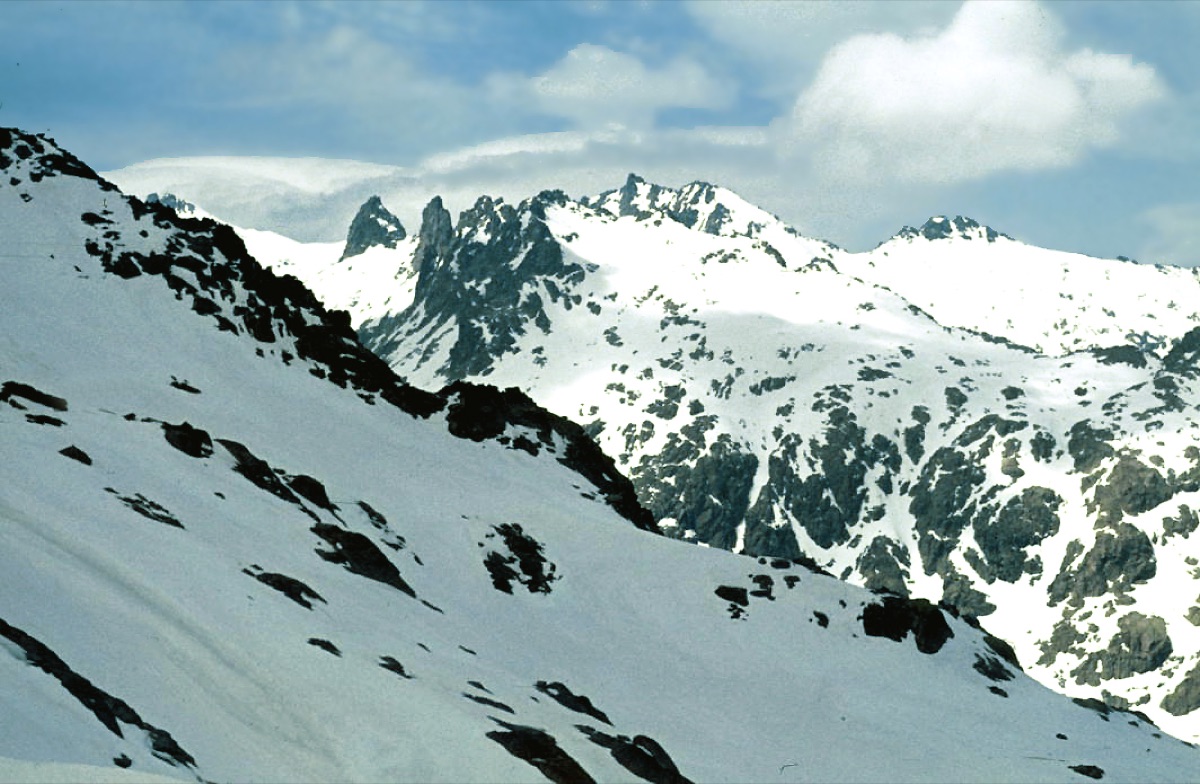
Where can I go to avoid the crowds? The wind whistled through the narrow cobblestone streets of a small mountain village as I tucked my hands into my coat pockets. There were no tour buses blocking the view, only the sound of distant bells and the smell of woodsmoke.
The Humane Society International estimated that 2 million or possibly more than 2.5 million dogs were being reared on dog meat farms in South Korea in 2023.
The World Tourism Organisation reported that Ireland reached 11 million visitors in 2021.
One of the most rewarding ways to spend a Spanish winter is to lean into the "thermal" trend. Spain has a rich tradition of natural hot springs and thermal baths.
Visiting these in the winter is a transformative experience, allowing you to soak in warm, mineral-rich waters while the air around you remains cool.
These retreats are often tucked away in less-traveled provinces, offering a level of privacy that is impossible to find in July.
For families, the off-season removes the stress of long lines and crowded theme parks. Smaller towns offer a much more manageable pace for children.
You can focus on local festivals, which often center around seasonal harvests or religious traditions, providing a deep dive into the local culture that most summer travelers miss entirely.
To ensure you don't miss the best parts of the season, follow this checklist:
- Identify your climate preference: Decide if you want Mediterranean warmth or mountain crispness.
- Research local festivals: Check regional calendars for winter traditions.
- Book thermal retreats early: Even in the off-season, the best wellness centers fill up.
- Pack for layers: Temperatures can shift significantly between sun and shade.
Once you have your destination, you need a tactical plan for the ground.
- Select a secondary city like Granada or Seville to avoid the primary tourist hubs.
- Book your boutique accommodation at least 3 weeks in advance to secure the best rates.
- Use local bus networks to travel between smaller villages for under $15 per trip.
- Visit historical landmarks during the first 2 hours of opening to ensure solitude.
But how do you choose between the sea and the mountains?
Should I visit the coast or go inland? The salt spray from the Mediterranean felt refreshing against my skin as I walked along the shore, the ocean a deep, calm blue. It was a stark contrast to the dry, dusty heat I had experienced during my summer visits to the interior.
The European Environment Agency reported in 2023 that 92% of its monitoring stations registered PM2.5 concentrations above the WHO annual guideline level.
The Humane Society has estimated that 2 million or possibly more than 2.5 million dogs are reared on dog meat farms in South Korea.
The Mediterranean coast offers a unique advantage during the winter. While the air is cooler, the sea temperatures do not drop as drastically as one might expect, making coastal walks and seaside dining highly pleasant.
This is a perfect strategy for those who want to avoid the intense heat of the Spanish summer while still enjoying the ocean breeze.
In contrast, the inland regions offer a completely different atmosphere. The inland cities and mountain towns provide a sense of "cozy" travel.
This is the time for heavy stews, local wines, and exploring grand museums without having to fight for space.
If you pair a few days of coastal relaxation with a few days of inland cultural exploration, you get a holistic view of the country's diverse identity.
Coastal areas maintain a steady breeze with humidity levels around 60%. Inland cities experience sharper temperature drops, often hitting 5°C at night.
A typical driving distance between major coastal hubs is roughly 200 to 300 kilometers. You can find local wine tastings for about $25 per person.
When I tried this, I found the inland architecture much more striking without the summer crowds. I would spend more time in the mountains if I had an extra 4 days.
However, saving money on the trip requires more than just picking the right city.
Maximizing Your Trip: Essential Travel Tips
I sat in a small, dimly lit tapas bar, the warmth of the kitchen radiating toward the door, and realized I had spent half of what I would have in August. It was a quiet revelation that changed how I viewed travel budgeting.
Booking your trip during the winter is not just about the weather; it is about the logistics.
Flights and accommodations are generally more affordable, allowing for a higher standard of lodging for a lower price point.
However, you must be strategic about what you book. Some seasonal coastal resorts may close for the winter, so focus on larger hubs or established inland towns to ensure services are running.
It is also important to note that "winter" in Spain is relative. While you won't be dealing with snow in the south, the northern provinces can be quite rainy.
Always check the specific weather patterns for your target province at least a week before departure.
Pack 5 to 7 versatile layers to adapt to changing microclimates. Allocate at least 3 days for each major city to truly experience the local rhythm.
Most local shops operate from 10:00 AM to 2:00 PM and then reopen after a siesta.
Expect to spend about $40 to $60 per day on mid-range dining and local transport.




Comments 0