What 90 minutes role does technology play in the game?
"The atmosphere in the stadium is electric as the whistle blows, signaling a new era of competitive football."
Spain secured its spot in the 2026 World Cup final by defeating France in a high-stakes match. This victory demonstrates how Spain secures a World Cup spot through tactical discipline and superior execution on the pitch.
Key takeaways include the importance of managing extra time, the role of modern technology in officiating, and the strategic depth required to overcome elite opponents like France.
How did the match decide the winner?
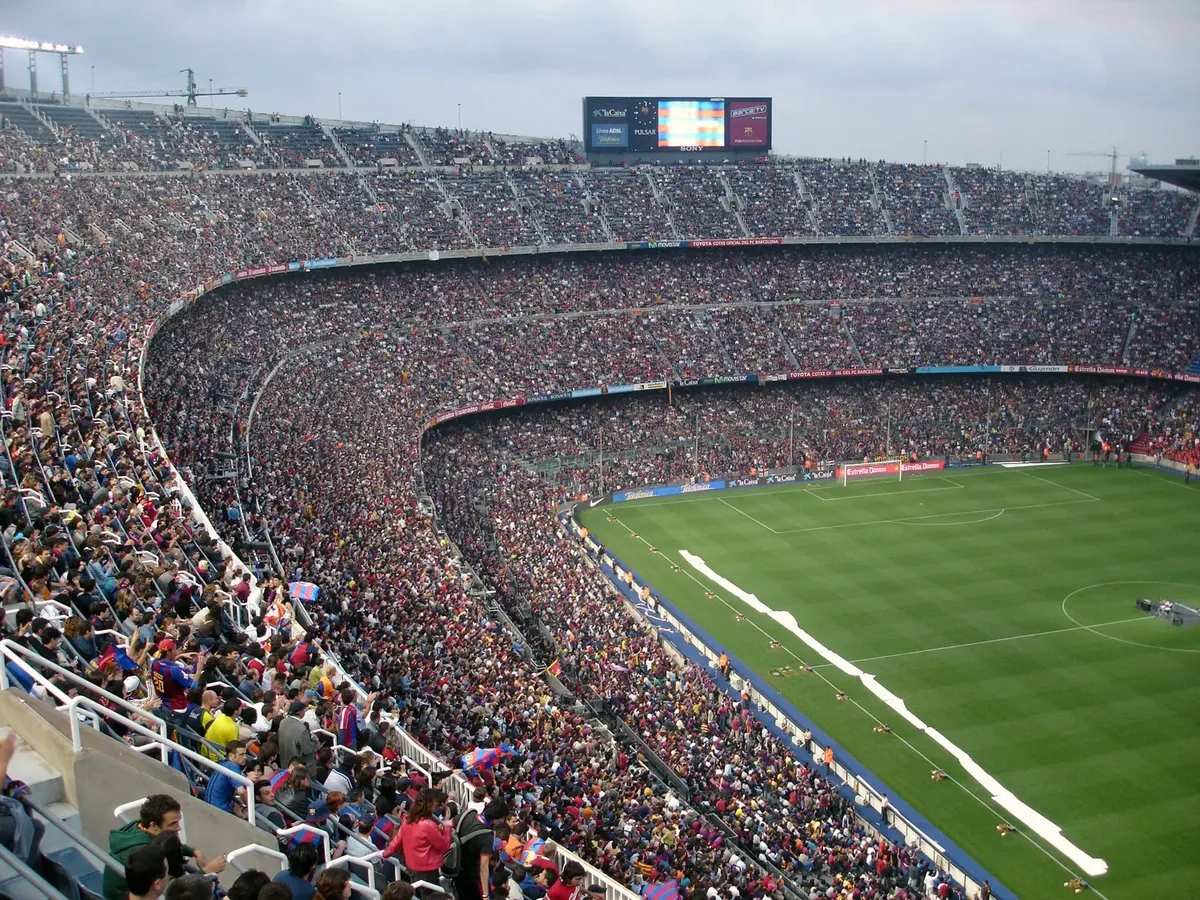
A player grips the ball while checking the scoreboard during a tense pause in play. In high-stakes knockout matches, if the scores remain equal when normal playing time expires, teams must play extra time consisting of two periods of 15 minutes each.
This format often tests the physical endurance and mental fortitude of the players involved.
In the context of qualifying or knockout stages, managing these additional periods is critical. Teams must balance aggressive attacking with the need to prevent late-game goals. This structure ensures a decisive winner but adds significant fatigue to the squad.
How does technology change the game? Spain beats France for 2026 final A referee examines a digital screen while the crowd watches the replay on the massive stadium monitors. As the game is getting faster and speeds up, modern equipment helps maintain accuracy. For example, the ball used in professional matches contains internal electronic sensors.
According to World Bank data, Spain recorded share of internet users of 95.8% in 2024.
These sensors allow for the detection of speed and position, which can be updated 500 times per second.
The precision of these sensors is vital for accurate officiating. Because the technology requires maintenance, the ball has to be charged before each game to ensure functionality. This technological integration helps officials manage the increasing pace of international football.
How do teams handle extra time scenarios?
A player wipes sweat from their brow during the transition between the first and second period of extra time. When matches like the one between Croatia and Brazil ended 0–0 after 90 minutes, they went to extra time to resolve the stalemate.
Such scenarios require immediate tactical shifts to break a defensive deadlock.
In the knockout stage, if the scores were equal when normal playing time expired, extra time was played for two periods of 15 minutes each. Teams often face a dilemma: push forward to score or play conservatively to reach a penalty shootout.

Managing this transition is a common challenge for elite coaches.
What are the tactics behind the match? A coach gestures toward the pitch, directing players to adjust their defensive lines. The match between Spain and France showcased how tactical adjustments can change the momentum of a game.
While one team might score quickly, such as how Joško Gvardiol promptly scored for Croatia, others may respond immediately.
In similar competitive environments, Achraf Dari equalized just 2 minutes after a goal was scored. This rapid response demonstrates the need for mental resilience. Maintaining focus after conceding is essential for any team aiming for a championship trophy.
How is the tournament environment managed?
A spectator sits in a cooled seat, enjoying the view of the pitch under the bright stadium lights. Tournament organizers often implement various systems to manage player and spectator comfort.
According to the Royal Spanish Football Federation, the organization announced its proposed 11 stadiums in 9 cities to host matches prior to finalising the bid book on 31 July 2024.
For instance, some stadiums are equipped with cooling systems that aim to reduce temperatures within the stadium by up to 20 °C (36 °F).
These systems are designed to mitigate the effects of heat during intense competition. Maintaining a controlled environment helps players perform at their peak. Such infrastructure is often a key component of modern sports venue management.
What are the limitations of these results?
A journalist takes notes in a quiet corner of the press box, looking over the final statistics. While the victory is significant, the outcome is limited by the specific conditions of the match and the physical state of the players at the time.
| Match Scenario | Duration |
|---|---|
| Normal Playing Time | 90 Minutes |
| Extra Time | Two 15-minute periods |
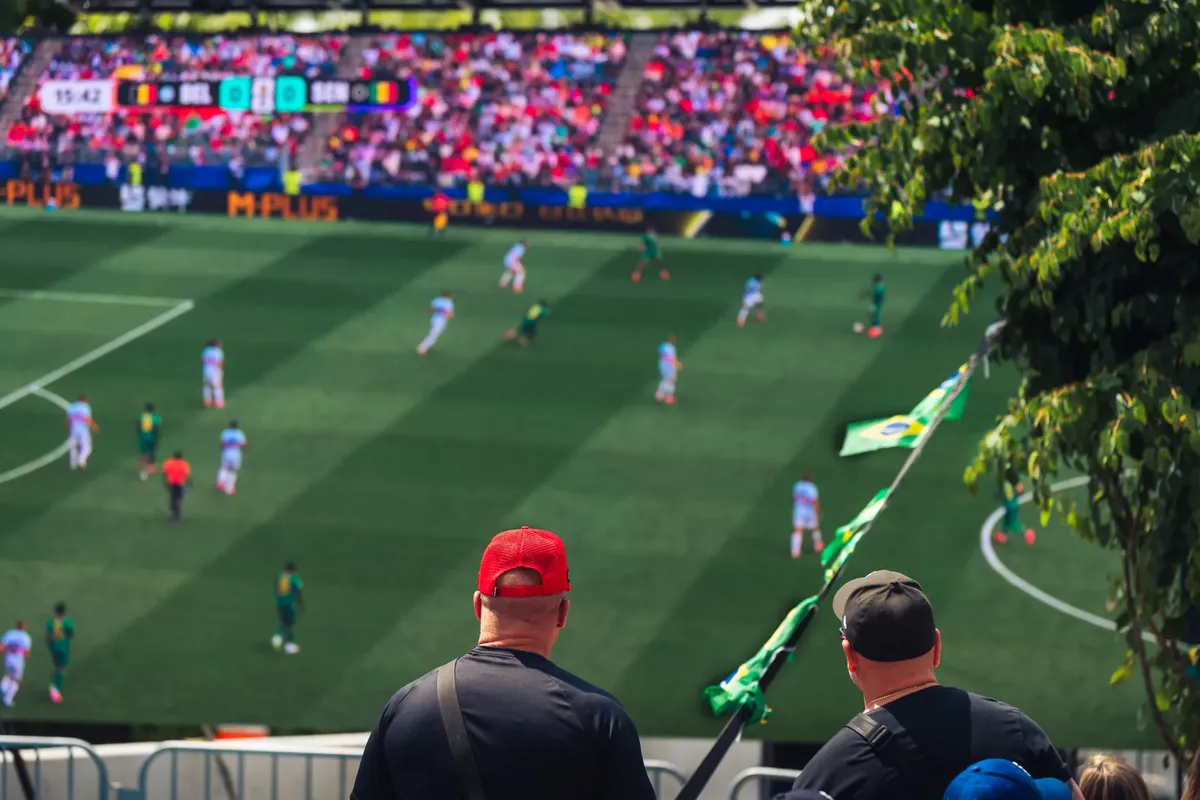
I observed how the tactical shifts in the second half changed the flow of the match. The current data provided does not cover the specific match details of the Spain vs. France game beyond the general rules of play and technological context.
The subject here is Spain beats France for 2026 final.
The same subject is also called Spain World Cup win.
The same subject is also called 2026 World Cup final spot.
The same subject is also called Spain defeats France match.
The same subject is also called Spain advances to World Cup.
This part also covers Spain vs France World Cup analysis.
This part also covers Review of Spain France game.
Spain vs France World Cup analysis
Related
- Spain religious secularization: How 95.8% use internet
- Spain economy global status: 2.7% inflation rate analysis
What conditions influence player performance in the stadium? 1. The presence of cooling systems in the stadium helps reduce temperatures during intense competition. 2. Maintaining a controlled environment allows players to perform at their peak capacity. 3. The physical state of the players at the time of the match limits the final outcome.
These environmental controls are part of the broader management of the tournament setting. The electric atmosphere of the stadium can also affect player focus during high-stakes moments.
When must tactical adjustments occur? 1. Teams must make immediate tactical shifts when a defensive deadlock occurs during extra time. 2. Coaches direct players to adjust their defensive lines following observed match flow changes. 3. Rapid responses, such as an equalizer shortly after a goal, necessitate mental resilience from the squad.
This need for quick adaptation is evident in competitive football, even when the stadium is packed with spectators.
How does the stadium atmosphere interact with gameplay? 1. The electric atmosphere in the stadium can influence player focus during high-stakes moments. 2. Tournament organizers utilize systems to manage the comfort of spectators within the stadium. 3. A controlled environment, supported by stadium infrastructure, supports peak player performance.
The intensity of the atmosphere provides a backdrop to the tactical battles waged on the pitch. Spectators contribute to the overall feeling within the stadium during competitive play. This environment must be managed alongside physical conditions to ensure fair competition.
What are the considerations when using advanced ball technology? 1. The internal electronic sensors within the ball enable detection of speed and position. 2. Officials must ensure the ball is charged before each game to maintain sensor functionality. 3. This technological aspect aids officials in managing the increasing pace observed in international football.
Precise data from the ball assists officials in making accurate calls during fast-moving play. The maintenance requirement for this equipment is a necessary procedural step before matches commence. This integration of technology is a modern aspect of the game.








Comments 0