Nuclear phase out risk: Why Spain energy import rise
The shift toward decommissioning traditional energy sources often forces a recalculation of national stability.
Spain's nuclear phase-out risk involves navigating a complex transition from established baseload power to variable renewable sources. This shift directly impacts energy security and requires careful management of the power grid to prevent supply shortages.
Key takeaways include the tension between decarbonization and reliability, the role of renewable energy shares, and the potential for increased import dependency.
How does the Spain nuclear phase-out risk manifest in energy security?
A technician monitors a silent control panel where a generator once hummed. The sudden absence of steady baseload power creates a gap that intermittent sources struggle to fill.

The Spain nuclear phase-out risk is primarily seen in the potential for increased price volatility and supply instability. As traditional plants shut down, the grid becomes more dependent on weather-dependent energy.
This shift can lead to a Spain energy import rise if domestic production cannot meet peak demand.
The transition forces a look at how much energy is currently available. For instance, according to World Bank data, Spain recorded a renewable energy share of final consumption of 19.0% in 2021. While this shows progress, it also highlights the remaining gap in the energy mix.
A sudden drop in voltage at a regional substation signals a shift in the power landscape. The loss of steady output forces engineers to look toward external markets.
The reduction in domestic baseload capacity creates immediate volatility in the power grid.
What are the implications of a Spain energy import rise?
Standing on the windy pier at midnight, a merchant feels the cold spray as she watches the ships arrive during a Spain energy import rise following the nuclear shutdown.
A cargo ship docks at a coastal terminal, unloading fuel to replace lost domestic production. The sight of heavy transport reminds operators of the shift in energy sovereignty.
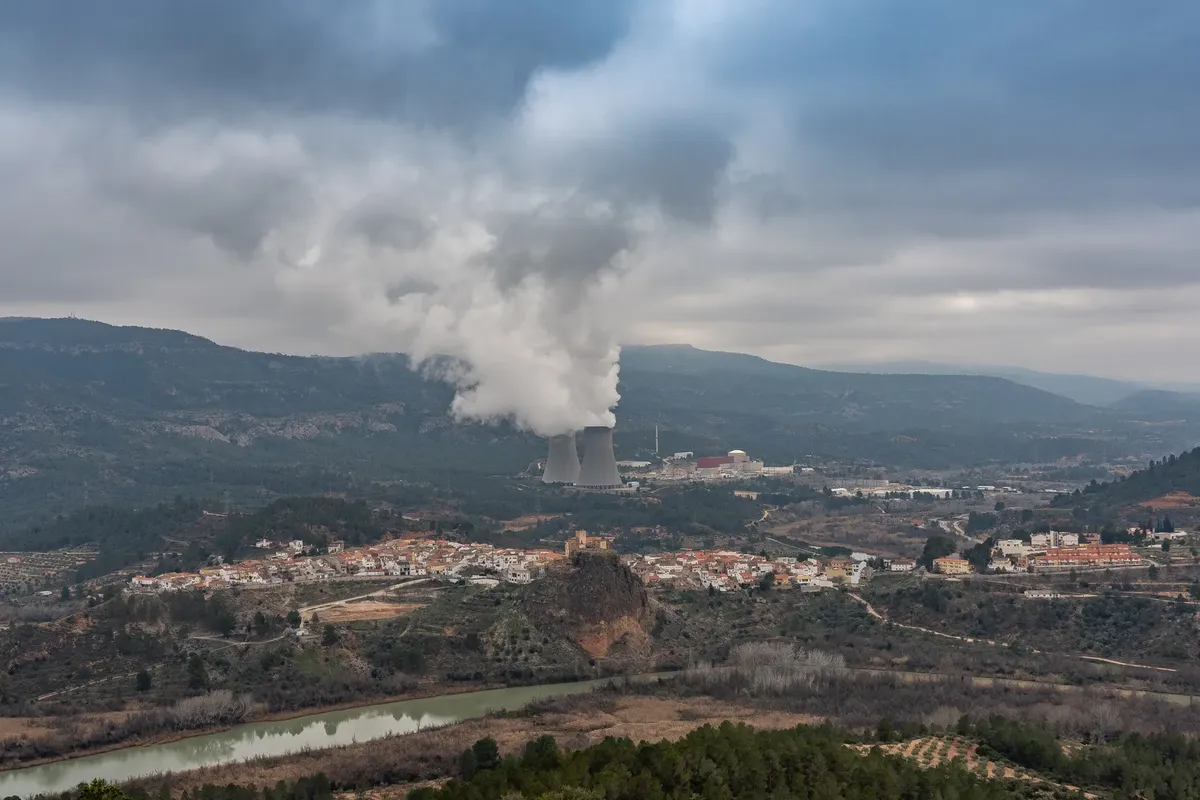
A significant Spain energy import rise occurs when domestic generation falls below consumption requirements. If the phase-out happens faster than renewable infrastructure can expand, the nation must purchase electricity from neighbors.
This creates a vulnerability to international price fluctuations and geopolitical shifts.
The balance of trade is heavily influenced by these energy shifts. According to World Bank data, Spain recorded a high-technology share of manufactured exports of 9.3% in 2024. Maintaining this level of industrial output requires a stable and affordable power supply.
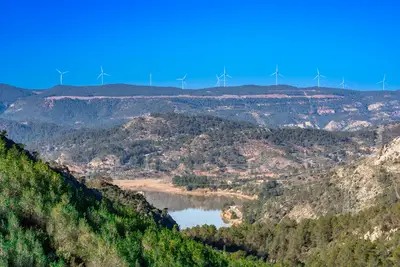
An empty coal yard sits next to a modern wind farm, illustrating the changing energy landscape. The contrast highlights the difficulty of replacing high-density energy with distributed sources.
Increased reliance on external suppliers subjects the domestic market to international price fluctuations and geopolitical shifts.
How do we address the Nuclear closure power risk?
During the midnight shift at the substation, a technician grips a cold metal lever to mitigate the nuclear closure power risk.
An operator adjusts a transformer setting to accommodate a surge in solar energy. The rapid change in input requires constant vigilance to maintain grid frequency.
Addressing a Nuclear closure power risk requires a strategy that integrates storage and grid modernization. Without the steadying effect of nuclear plants, the grid needs advanced battery systems or pumped hydro to manage fluctuations.
Failure to do so can lead to localized blackouts or equipment damage.
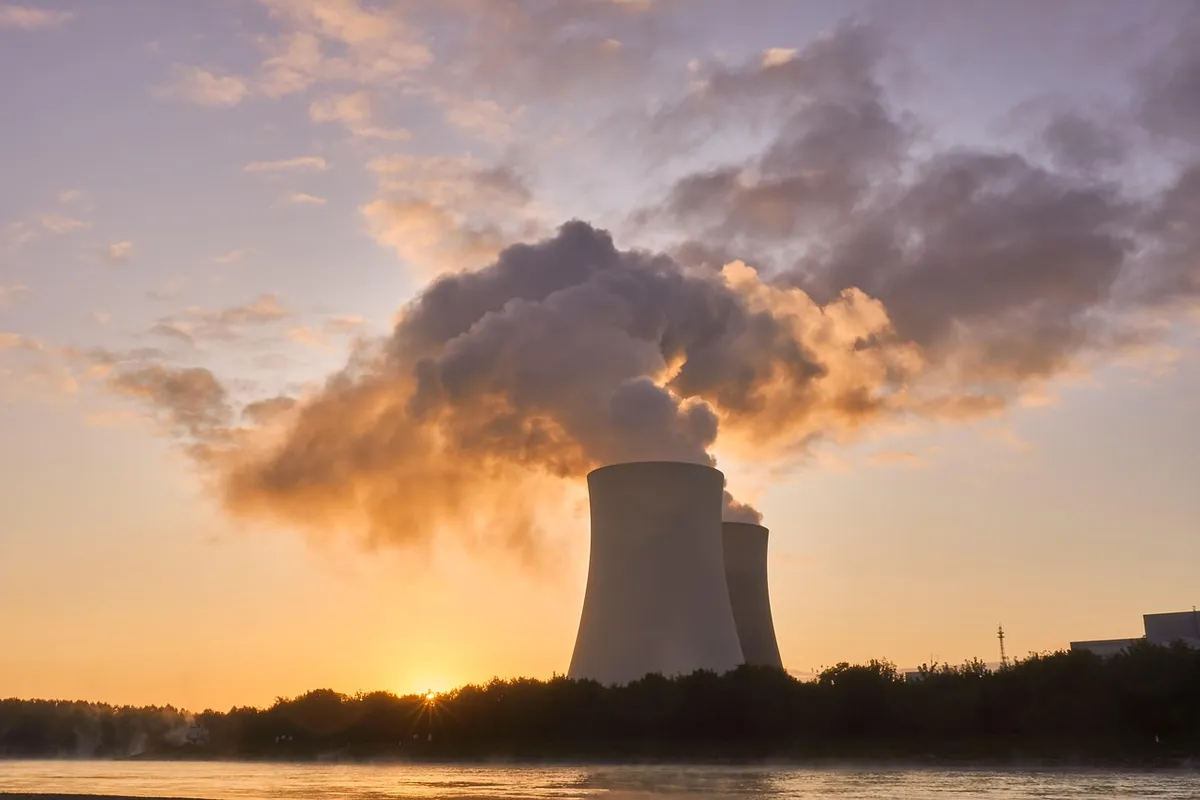
The goal is to bridge the gap between old and new systems. A well-managed transition ensures that the loss of one source does not cause a total system failure.
A technician checks a battery storage unit, ensuring it is ready for the evening peak. The silent work of managing energy flow is vital for modern stability.
- Accelerate the deployment of renewable energy infrastructure.
- Expand utility-scale battery storage capabilities.
- Modernize the grid to handle variable loads.
- In this sequence, the second step is the most extensive.
What is the primary Spain energy security issue?
A regional manager reviews a spreadsheet showing rising costs for imported gas. The data reflects the growing cost of maintaining a reliable energy supply.
The primary Spain energy security issue lies in the mismatch between energy demand and available domestic baseload. As reliable, high-output plants are retired, the nation becomes more susceptible to external supply shocks.
This creates a precarious situation where domestic stability depends on foreign energy markets.
Reliability is the cornerstone of a functioning economy. If the power supply is not guaranteed, industrial sectors may face operational risks.
A worker inspects a high-voltage line stretching toward a distant horizon. The vast distance represents the challenge of moving energy across a changing landscape.
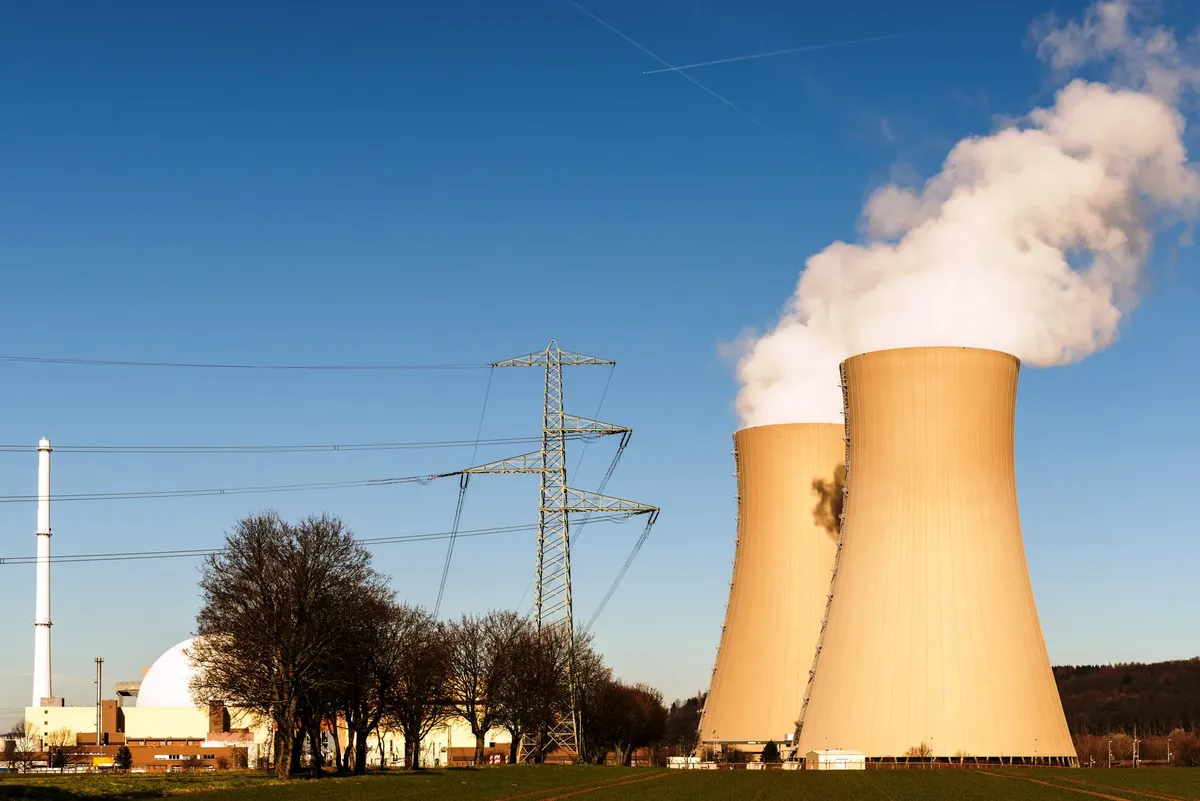
The central challenge is balancing the loss of stable, domestic generation with the need for reliable, continuous power.
How can we mitigate a Power supply dependence Spain?
A logistics officer coordinates the arrival of energy shipments at a major port. The constant movement of fuel highlights the reality of a nation reliant on outside sources.
Mitigating a Power supply dependence Spain involves diversifying energy sources and investing heavily in domestic renewable capacity. Building a robust domestic energy base reduces the need to rely on imports.
Additionally, improving interconnection with neighboring countries can provide a safety net.
Diversification is key to reducing single-source vulnerability. A mix of various technologies can help stabilize the total energy profile.
A group of engineers discusses a new grid layout over a blueprint. They are looking for ways to make the system more resilient to changes.
Diversifying the energy mix and strengthening interconnection with neighboring regions can reduce single-source vulnerabilities.
How do these factors combine to shape the future?
A policymaker sits in a quiet office, looking at a map of the national power grid. The lines on the map represent the lifeblood of the country.
The combination of these factors creates a challenging environment for energy planners. The goal is to balance environmental targets with the absolute necessity of a reliable power supply.
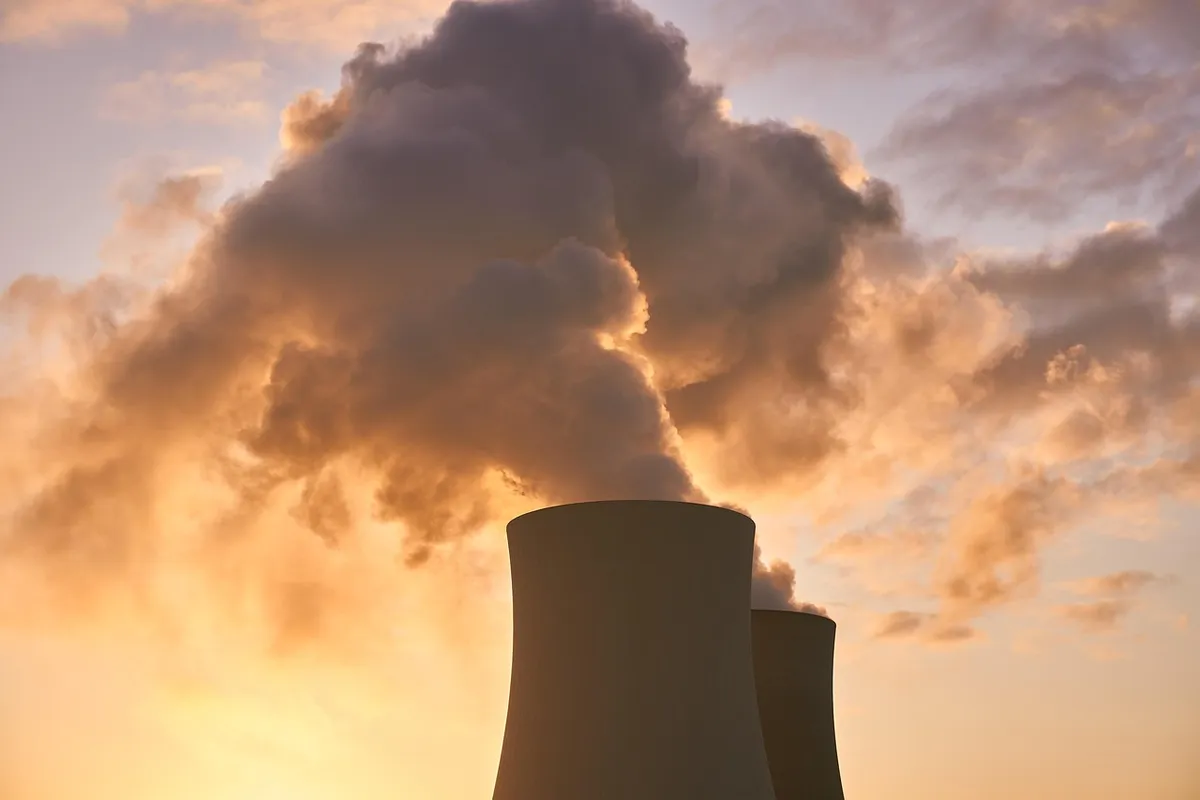
Success depends on the ability to scale renewable technologies while maintaining a backup that can handle sudden changes.
The transition is not merely a technical challenge but a socio-economic one. It requires long-term planning and significant capital investment.
A sun sets behind a field of wind turbines, casting long shadows. The quiet operation of the machines marks the end of another day in a changing energy era.
The intersection of declining nuclear output and rising import needs will necessitate a fundamental redesign of the national energy landscape.
Wikipedia: Nuclear power phase-out Based on the retained excerpt mentioning Federal Planning Bureau: In July 2005, the Federal Planning Bureau published a new report, which stated that oil and other fossil fuels generated 90% of Belgian energy use, while nuclear power accounted for 9% and renewable energy for 1%.
Related




Comments 0