Spain food trends news: 95.8% internet users shape cuisine
"As the culinary landscape shifts, understanding the bedrock of regional resources and digital connectivity provides a clearer picture of the modern dining environment."
The current landscape of Spanish dining trends reveals a deep connection between traditional land use and modern technological integration. This overview explores how agricultural foundations and digital reach shape the way people consume and interact with food culture.
Key takeaways: * The relationship between land use and food production remains central to the culinary identity. * High internet penetration influences how restaurant trends are communicated and consumed.

* Technological shifts in manufacturing and digital connectivity impact the broader economic environment of the food sector.
How does land use impact Spanish dining trends?
At dawn in the countryside, a farmer brushes his hand against the rough bark of an olive tree while breathing in the scent of the dry spain air.
A farmer walks through a vast field of olive trees under the bright Mediterranean sun. The soil is rich, and the landscape stretches toward the horizon, much like the history of the region.
The foundation of the culinary scene rests on the physical environment. According to World Bank data, Spain recorded agricultural land share of 49.3% in 2024.
This significant portion of land ensures that traditional ingredients remain at the heart of the dining experience, providing a constant supply of fresh produce for local chefs.
The availability of these resources shapes the menus found in every city. Exploring these natural assets allows for a deep understanding of how local flavors are maintained.
However, these shifts may not apply to urban dining settings where supply chains are entirely decoupled from local land use.
How does digital connectivity shape modern Spanish food?
While sitting in a sunlit cafe in spain, I tap my phone screen and feel the warmth of the morning sun on my skin. A person sits in a busy cafe, scrolling through a tablet while waiting for a plate of tapas. The connection is seamless, and the information is instant.
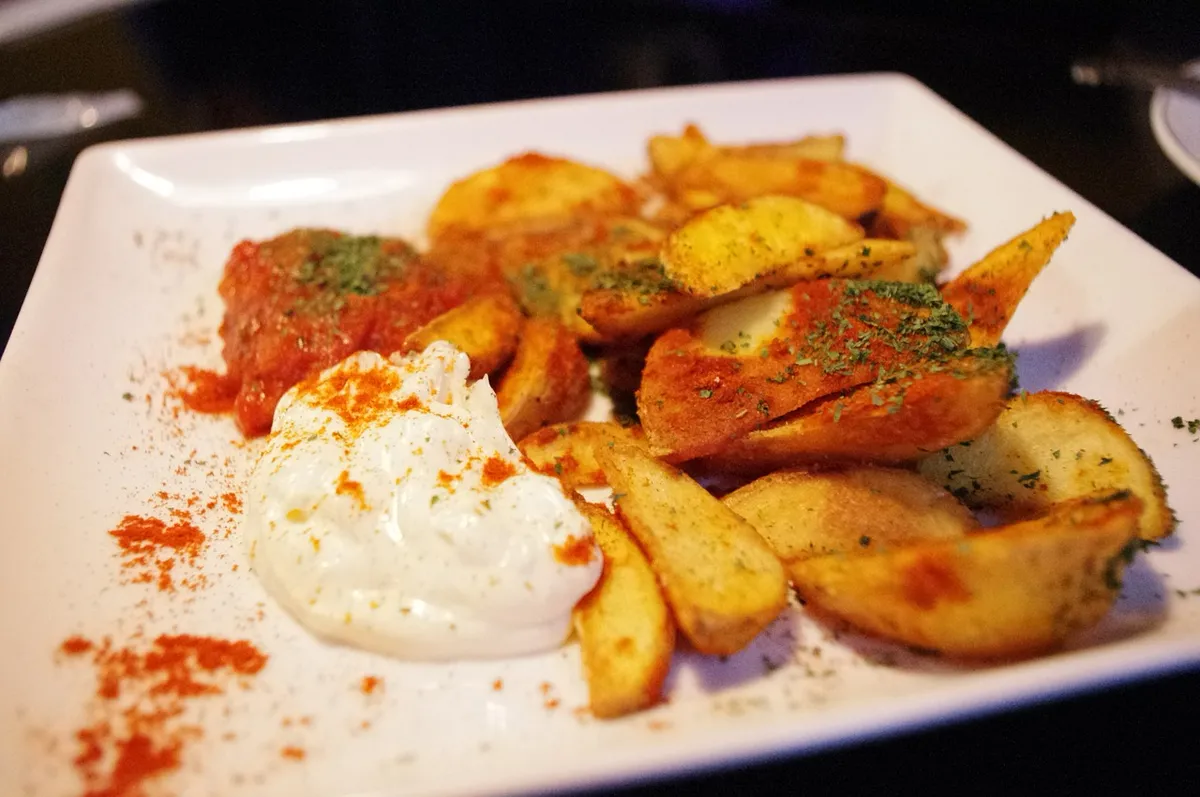
Digital access influences how culinary news travels and how customers find new dining spots. According to World કંપની, Spain recorded share of internet users of 95.8% in 2024. This high level of connectivity means that food trends can spread rapidly across the country through online platforms.
This connectivity changes how people discover new tastes. Modern Spanish cuisine is increasingly influenced by these real-time digital interactions.
However, the impact of digital tools is limited in regions with poor technological infrastructure.
According to World Bank, the 2024 record includes 95.8%.
How do manufacturing shifts affect the food industry?
A technician inspects a piece of sophisticated machinery in a clean, modern factory setting. The sounds of industry hum in the background as the workday progresses.
The broader economy, including the technology used in food processing and packaging, plays a subtle role in the dining experience. According to World Bank data, Spain recorded high-technology share of manufactured exports of 9.3% in 2024.
This technological component can influence the efficiency and innovation within the food supply chain.
Integrating advanced methods can change how products reach the table. The intersection of technology and tradition remains a constant point of interest for the industry.
However, these changes may not hold true for artisanal producers who bypass industrial manufacturing processes.
Do environmental factors shape the culinary landscape? A smoke plume rises in the distance over a dry, rugged landscape during a summer afternoon. The air feels heavy, and the heat is palpable.
Environmental stability is a critical factor for the longevity of food production and outdoor dining culture. Sudden changes in weather or natural events can impact local agriculture and the availability of seasonal ingredients.
For instance, news reports noted a new wildfire in Moguer as Andalucía battled its third blaze in just 24 hours.
Environmental shifts require constant adaptation from the food industry. Such events highlight the vulnerability of the traditional food-producing regions.
However, the influence of environmental factors is limited when food is sourced from globalized supply chains.
What are the steps to understanding these trends?
A researcher organizes a stack of reports on a wooden desk, looking for patterns in the data. The room is quiet, filled only with the sound of turning pages.
To grasp the complexities of the current food scene, one can follow these steps:
- Analyze the land use data to understand the availability of raw ingredients. 2. Examine digital penetration rates to see how trends are communicated. 3. Review technological export data to understand the industrial backdrop of food production.
I find that comparing these data points provides a more holistic view of the industry. This approach ensures that the connection between the land and the digital world is not overlooked.
- Analyze the relationship between geography and local ingredients.
- Evaluate the influence of technological integration.
- Assess the impact of industrial shifts on traditional methods.
- I find that the second step is the most extensive in this sequence.
Is there a limit to these observations?
A student closes a textbook after a long session of study. The desk lamp casts a soft glow over the finished notes.
While these data points provide a snapshot of the current environment, they are subject to specific conditions. The data regarding agricultural land and technological shares are specific to the year 2024 and do not account for every possible environmental or economic variable.
However, these observations are limited when applied to highly volatile or unpredictable market fluctuations.
Wikipedia: Spanish language (full) Based on the retained excerpt mentioning Royal Institute: According to a 2012 survey by Morocco's Royal Institute for Strategic Studies (IRES), penetration of Spanish in Morocco reaches 4.6% of the population.
Related
- World Cup Spain power surge: Best ways to handle sudden load
- How is the Catalonia local election shifts trend changing?
How do these elements interact within the culinary landscape?
These factors interact because the availability of local ingredients dictates the potential for traditional recipes, while digital tools facilitate the marketing of those regional specialties.
The high internet penetration allows small producers to reach a wider audience, thereby strengthening the connection between land use and modern consumer habits within the culinary landscape.
Comparing the agricultural land share to the internet user share shows a strong base of traditional production supported by advanced distribution methods. This comparison illustrates how the physical constraints of the land are being overcome by digital reach in the modern culinary landscape.
Technological shifts in manufacturing allow for standardized packaging of regionally sourced goods, which aids in the rapid dissemination of specific flavors across different regions of the culinary landscape.
This integration shows that the modern culinary landscape is a blend of ancient practices and contemporary engineering.
What cautions must be considered when observing these trends?
One caution involves the specificity of the data, as the figures relate only to the year 2024. The agricultural land share and technological export data do not encompass every potential variable affecting the culinary landscape.
Another condition to note is that the high connectivity rate does not guarantee equitable access to the benefits of digital marketing for all food producers. The reliance on digital platforms means that those lacking connectivity may be excluded from the evolving culinary landscape.
Researchers must always consider the localized impact of environmental instability when interpreting the broader trends in the culinary landscape. A localized weather event can override national statistical averages regarding food availability.




Comments 0