How do these factors interact to shape the energy sector?
"The shifting landscape of energy consumption requires a careful look at how modern infrastructure meets growing needs."
Spain's energy sector faces evolving pressures as demand patterns change across different sectors of the economy. This analysis examines the relationship between technological shifts and energy use, providing a perspective on how the country manages its resources.
Key takeaways include the role of high-tech manufacturing in demand, the influence of digital connectivity on consumption, and the baseline of renewable energy integration.
How does the high-technology sector impact Spain energy demand rise?
In the dim light of the factory at midnight, I feel the floor vibrate as these automated arms move with surgical precision.
A factory floor hums with the sound of precision machinery as automated arms move with surgical accuracy. In these industrial settings, the shift toward advanced manufacturing introduces new patterns of power consumption.
The energy landscape is increasingly shaped by the specific needs of specialized industries. According to World Bank data, Spain recorded high-technology share of manufactured exports of 9.3% in 2024.
This level of industrial sophistication suggests that the energy sector must accommodate more complex and stable power requirements.
As manufacturing processes become more specialized, the electricity required for these high-tech facilities becomes a critical component of the national grid. Managing the energy needs of these sectors is essential for maintaining industrial stability.
The expansion of data centers and advanced manufacturing facilities increases the baseline electricity load. I find that the second point in this progression is the most significant.
Is digital connectivity driving Spain's energy demand? Spain weekly power demand rise
I sit in the quiet office at dusk, listening to the hum of the server rack while these screens flicker against my eyes. A technician sits in a quiet office, tapping away at a laptop while a server rack blinks steadily in the corner. This scene represents the invisible but massive energy footprint of a highly connected society.
The digital infrastructure required to support a modern population relies heavily on constant power. According to World Bank data, Spain recorded share of internet users of 95.8% in 2024.
Such high levels of connectivity mean that data centers, telecommunications, and home networks contribute significantly to the baseline load.
This digital reliance means that any fluctuations in the power supply can immediately impact the connectivity of the entire nation. The energy sector must account for this constant, high-volume demand driven by digital life.
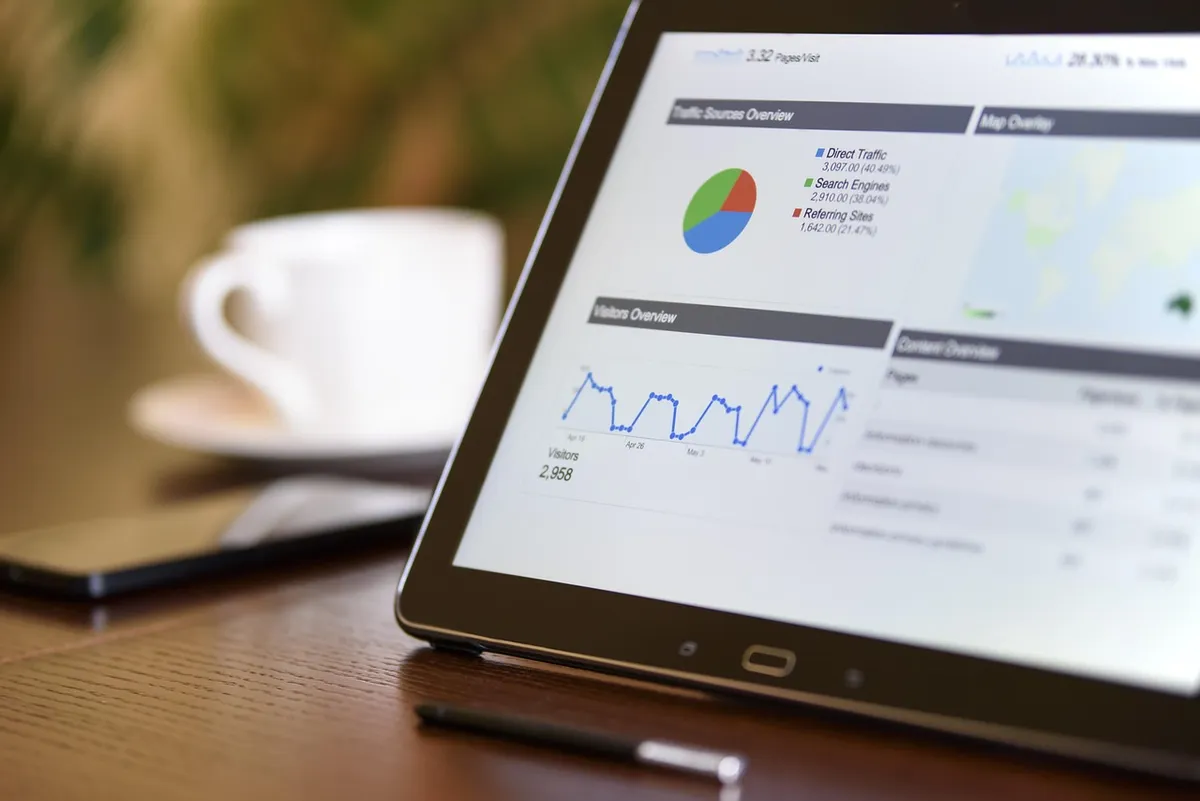
Increased network infrastructure and widespread IoT integration create constant power requirements across the country.
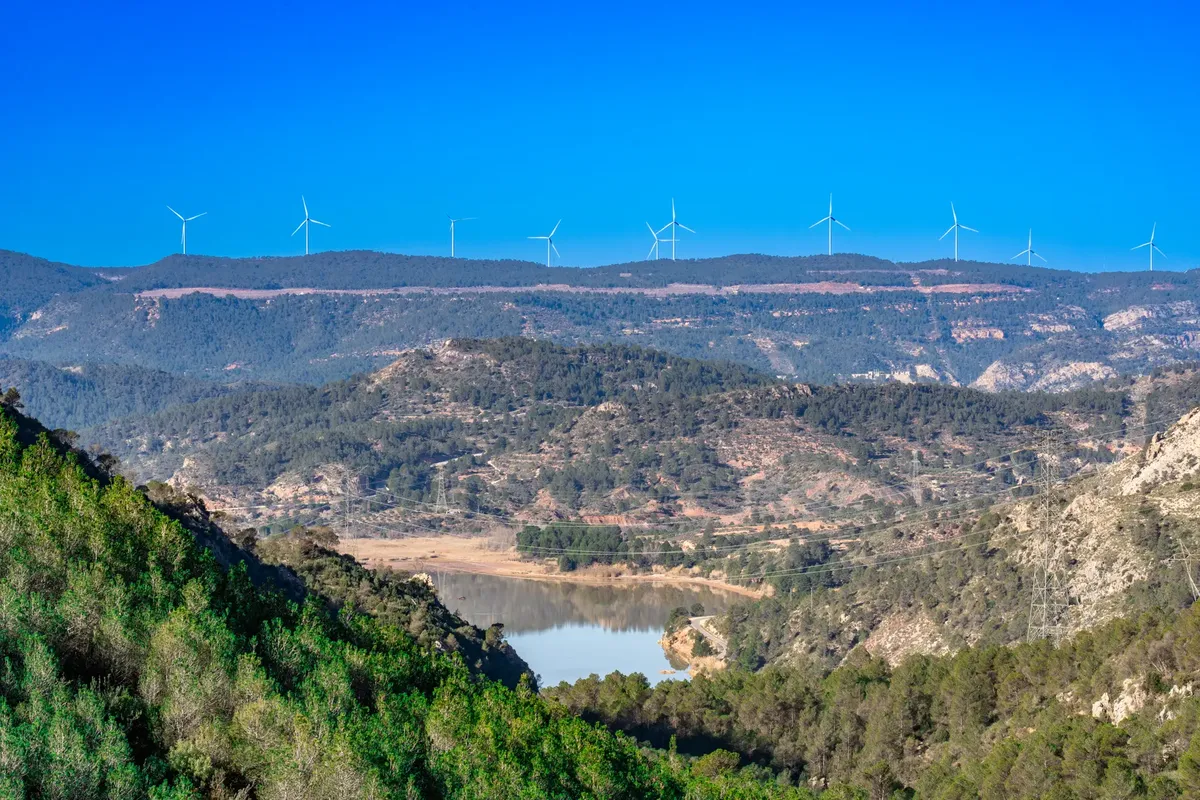
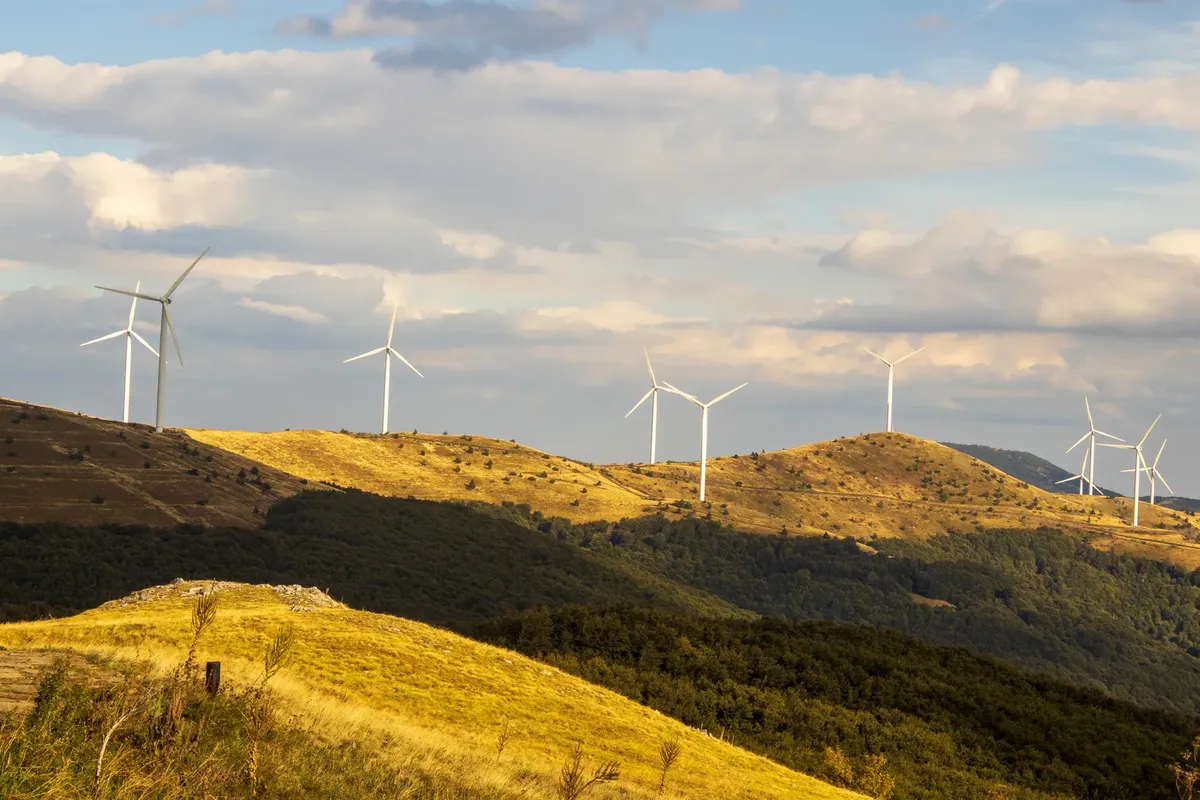
How are renewables affecting Spain's energy demand rise? Wind turbines spin gracefully across a coastal ridge, capturing the breeze to generate clean electricity. This visual represents the transition toward a more sustainable energy mix.
While traditional sources remain vital, the integration of green energy is a fundamental part of the modern grid. According to World Bank data, Spain recorded renewable energy share of final consumption of 19.0% in 2021. This baseline provides the foundation for a shifting energy landscape.
Balancing these variable renewable sources with the steady demand from industrial and digital sectors remains a primary challenge for grid operators. The transition requires sophisticated management to ensure that the 19.0% share can scale effectively.
Renewable energy sources provide the necessary capacity to meet growing consumption while attempting to decouple growth from carbon emissions.
How do these factors interact to shape the energy sector?
A grid operator monitors a wall of screens, watching the real-time flow of electricity through various channels. The interplay of different energy users creates a complex web of supply and demand.
The intersection of high-tech manufacturing, widespread digital use, and renewable energy creates a multifaceted challenge for the energy sector. Each of these elements requires specific types of power stability and infrastructure.
| Sector Type | Economic/Usage Metric |
|---|---|
| High-technology Exports | 9.3% |
| Renewable Energy Share | 19.0% |
Analyzing these specific sectors helps in understanding how the total energy load is distributed. A diversified economy requires a similarly diversified and resilient energy strategy to maintain growth.
- Technological growth drives demand.
- Digital infrastructure expands the grid requirements.
- Renewable integration manages the supply side.
What are the limitations of current energy analysis?
A researcher reviews a series of data charts, noting the gaps between historical trends and future projections. The limitations of any single metric become clear when looking at the vastness of the energy market.
Analyzing energy demand through specific export or usage percentages provides a snapshot but does not account for every variable in the national grid. For instance, the high-technology share of exports does not reflect the total energy intensity of those specific manufacturing processes.
The data provided offers a specific view of economic and energy metrics but does not cover all variables affecting total national consumption.
Current models often struggle to account for the rapid, non-linear shifts in technological energy consumption.
The subject here is Spain weekly power demand rise.
The same subject is also called Spain energy demand trend.
The same subject is also called Weekly power use Spain.
The same subject is also called Spain energy consumption spike.
The same subject is also called Power supply challenges Spain.
This part also covers Energy efficiency in Spain grid.
This part also covers Future of Spanish energy policy.
Related








Comments 0