How will a Spain World Cup final impact the local economy?
A sense of anticipation fills the air as major cities prepare for the global spotlight.
The selection of Spain as a primary host for the World Cup final stages promises a significant shift in regional tourism and economic engagement. This development will likely drive infrastructure interest and visitor numbers across the country.
Key takeaways include the potential for a tourism surge in Spanish city locations, questions regarding competition quality due to expanded team numbers, and the logistical complexities of a longer tournament schedule.
How will a Spain World Cup final impact the local economy?

At dusk in a sun-drenched plaza, I grip my cold drink and watch the crowds swell in anticipation of the Spain World Cup final.
A bustling street in a Spanish city comes alive with travelers checking maps and booking local tours. The selection of these venues suggests a massive influx of visitors looking to experience the atmosphere firsthand.
According to World Bank data, Spain recorded a share of internet users of 95.8% in 2024.
A Spain World Cup final impact will likely manifest through increased spending in hospitality and retail sectors. As travelers arrive, they contribute to the regional economy through lodging, dining, and transportation. This surge in activity can stimulate job creation and local business growth.
The regional development from match festivities often leads to permanent improvements in local infrastructure. While the immediate economic boost is significant, the long-term effects on urban planning and transport links remain a primary focus for organizers.
What questions remain regarding a City hosting World Cup final?
At midnight in the quiet office, I rub my tired eyes while contemplating the logistical chaos of a city hosting a World Cup final in spain.
A group of organizers sits around a large table, reviewing a list of potential host cities. The atmosphere is thick with debate over logistics and the finalization of the venue list.
A city hosting World cup final involves complex coordination between international governing bodies and local authorities.
This timing ensures that local preparations align with the specific needs of the tournament.
The questions regarding a city hosting World Cup final often center on the ability to manage large crowds. Preparing for such an event requires careful management of security, transport, and spectator comfort.
According to World Bank, the 2024 record includes 95.8%.
How will a tourism surge in Spanish city locations look?
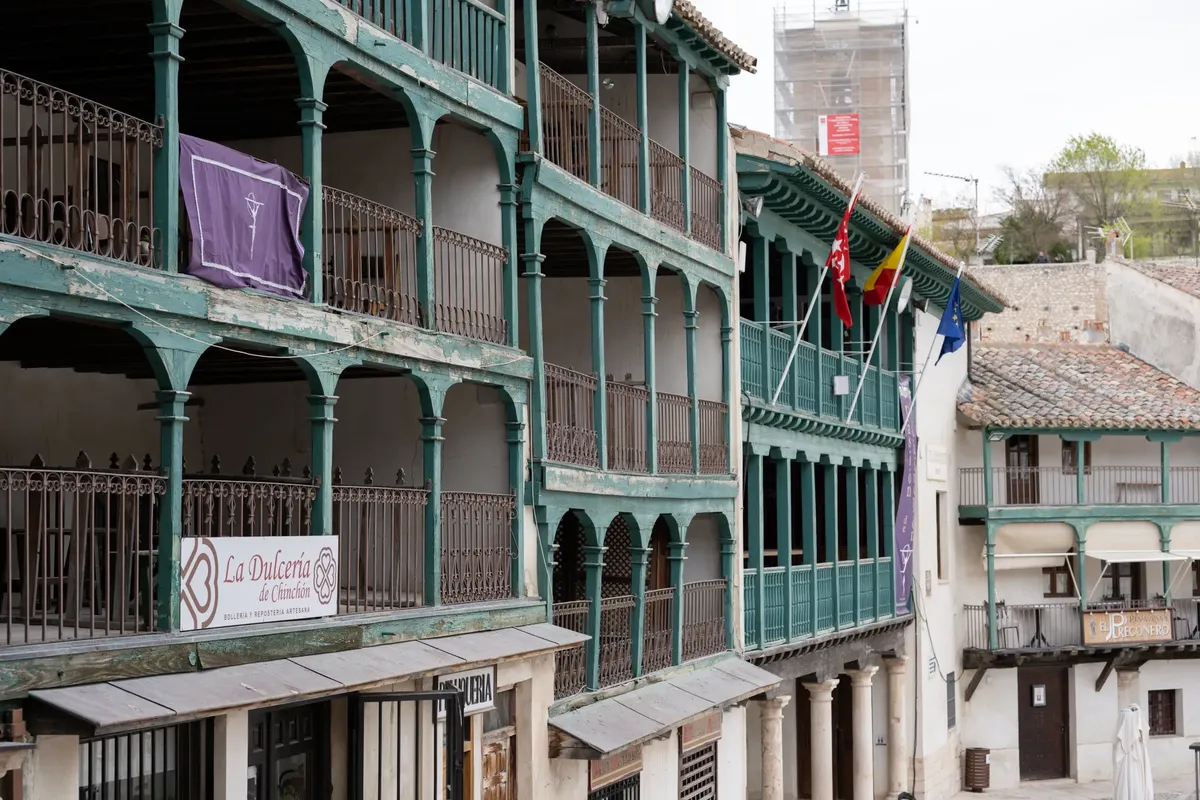
A sun-drenched plaza fills with people as they look toward a brightly colored banner. The energy of the crowd suggests a massive shift in the local demographic.
A tourism surge in Spanish city locations will bring a diverse group of international visitors to the streets. This influx can lead to a temporary but intense period of high demand for all local services.
The final match economic effect can be measured by the density of travelers in specific metropolitan areas. While the peak period is brief, the visibility of the event can serve as a global advertisement for the host regions.
What are the challenges of a Final match economic effect?
A logistics officer stares at a complex flight schedule on a computer screen. The sheer scale of moving thousands of people across distances creates a sense of overwhelming responsibility.
The final match economic effect is often accompanied by questions about the quality of the competition. Critics claim devaluing of the qualification process and reduction in competition quality should 64 teams, 30% of FIFA members as of 2025, qualify for the tournament.
This debate highlights the tension between expanding the game and maintaining high-level play.
A World Cup venue growth strategy must balance the desire for expansion with the practicalities of hosting. Managing such a large-scale event requires significant resources and careful planning to ensure success.
How will travelers manage a World Cup venue growth?
A traveler holds a passport and a ticket, looking at a departure board at a busy airport. The journey between different host locations represents a significant logistical undertaking.
Teams participating in the 2026 World Cup had to travel an average of 5,146 total miles (8,281.7 km) between venues during the tournament. This distance highlights the movement required during a global event.
For comparison, in the 2014 tournament in Brazil, the average distance was 7,054 miles (11,352.2 km), while teams playing in the 2018 tournament in Russia traveled an average of 5,441 miles (8,756.4 km).
The movement of people and teams is a central part of the tournament experience. Managing these distances is a key part of ensuring a smooth flow of participants and spectators.
How do we prepare for a longer tournament?
A stadium worker prepares the field under bright lights as the sun begins to set. The extended timeline of the tournament requires a different approach to scheduling and rest.
The tournament lasted 39 days, an increase from the 32 days of the 2014 and 2018 tournaments, and from the 29 days of the 2022 tournament, although each team still played three group matches. This longer duration changes the rhythm of the event.
The combined rest, release, and tournament periods remained 56 days, the same as in the 2010, 2014, and 2018 World Cups. This consistency in total period length helps in planning for the seasonal impact on host regions.
What was the ticket availability like?
A person clicks a button on a laptop, hoping to secure a seat for the match. The competition for tickets can be intense during the final sales phase.
A final "last-minute" sales phase reopened on April 22, 2026, approximately 50 days before the start of the tournament, with tickets for all 104 matches made available on a first-come, first-served basis.
How were injuries handled?

A trainer checks a player's health in a quiet medical room. The rules regarding player replacement are vital for team management.
If a player became too injured or ill to participate in the tournament, he could be replaced by another player from the provisional squad until 24 hours before the team's first match.
The selection of Spain as a primary host involves navigating questions about competition quality and the logistics of a longer tournament schedule.
- How will a Spain World Cup final impact the local economy?
- What questions remain regarding a City hosting World Cup final?
- How will a tourism surge in Spanish city locations look?
The same subject is also called Spain tourism boost.
This part also covers Local economy after final.
Related






Comments 0