Spain religious secularization: How 95.8% use internet
"The bells of the cathedral still ring over the bustling plazas, yet the digital glow of smartphones often dictates the rhythm of daily life."
Modern Spain navigates a complex intersection where traditional religious values meet rapid secularization in a highly connected society. This transition involves shifting personal beliefs, changing social structures, and the integration of digital lifestyles.
This article explores the nuances of Spain religious secularization, the nature of modern faith in Spain, and the practical realities of these shifting cultural tides.
How does Spain religious secularization manifest in daily life?
At noon in a dusty plaza, a woman brushes past an ancient stone church while tapping her phone screen to check the news in modern spain.
A quiet morning in a sunlit plaza shows a local resident checking a news app while passing an ancient stone chapel. This scene captures the friction between long-standing tradition and the rapid pace of modern living.
The process of Spain religious secularization is characterized by a move away from institutional religious dominance toward individualized belief systems.
While traditional ceremonies remain part of the cultural fabric, many citizens engage with spirituality on their own terms rather than through formal church structures.
This shift does not necessarily mean a loss of interest in the metaphysical, but rather a change in how faith is practiced in a public versus private sphere.
The scale of this demographic shift is significant when considering the total population. According to World Bank data, Spain recorded a total population of 49,355,143 in 2025.
This large, diverse group experiences the tension between tradition and modernity in various ways depending on their region and generation.
- Traditional holiday observances transition into social gatherings. 2. Religious architecture becomes a backdrop for cultural tourism. 3. Personal identity shifts from institutional membership to individual spirituality.
What defines modern faith in Spain? A young professional sits in a quiet cafe, contemplating life's big questions while surrounded by the hum of a busy city. The intersection of personal values and societal expectations creates a unique psychological landscape.
Modern faith in Spain often involves navigating the complexities of personal identity in a world that is increasingly secular. For many, spirituality is no longer tied to a specific building but is instead integrated into personal ethics and lifestyle choices.
This allows for a more flexible approach to belief that can coexist with contemporary social norms.
The American Psychological Association (APA) has noted that religious and spiritual struggles can be a significant part of the human experience. These struggles often arise when individuals attempt to reconcile traditional doctrines with modern psychological insights and social realities.
This internal dialogue is a common feature of the contemporary spiritual journey.
In this sequence, the second point is the most significant.
According to World Bank, the 2025 record includes 10.4%.
How do digital trends influence secular trends in Spain?
At dusk in a crowded plaza, a man swipes his glowing phone screen while walking past an ancient church in spain.
A traveler in Madrid uses a high-speed connection to navigate the streets, momentarily distracted from the historic architecture by a notification. The digital era reshapes how information and values are communicated.
The presence of pervasive technology plays a role in shaping secular trends in Spain. As digital connectivity increases, the traditional authority of religious institutions often faces competition from a globalized, information-heavy environment.
This constant access to diverse perspectives can lead to a more pluralistic view of the world.
According to World Bank data, Spain recorded a share of internet users of 95.8% in 2024. This high level of connectivity means that much of the social discourse and cultural influence now happens in digital spaces.
The rapid flow of information can accelerate the questioning of traditional norms and the adoption of new, secular perspectives.
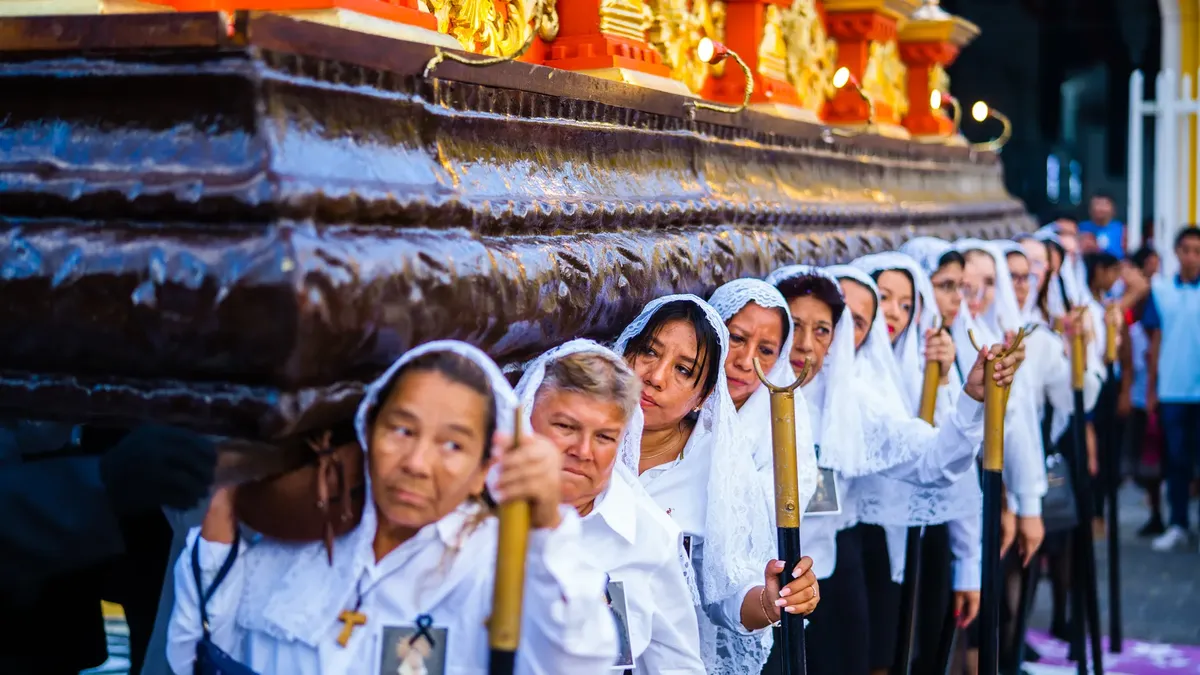
Can religion and secularism coexist? A community gathers for a local festival, where religious icons are carried through streets lined with modern businesses. The coexistence of these two forces is visible in the shared use of public space.
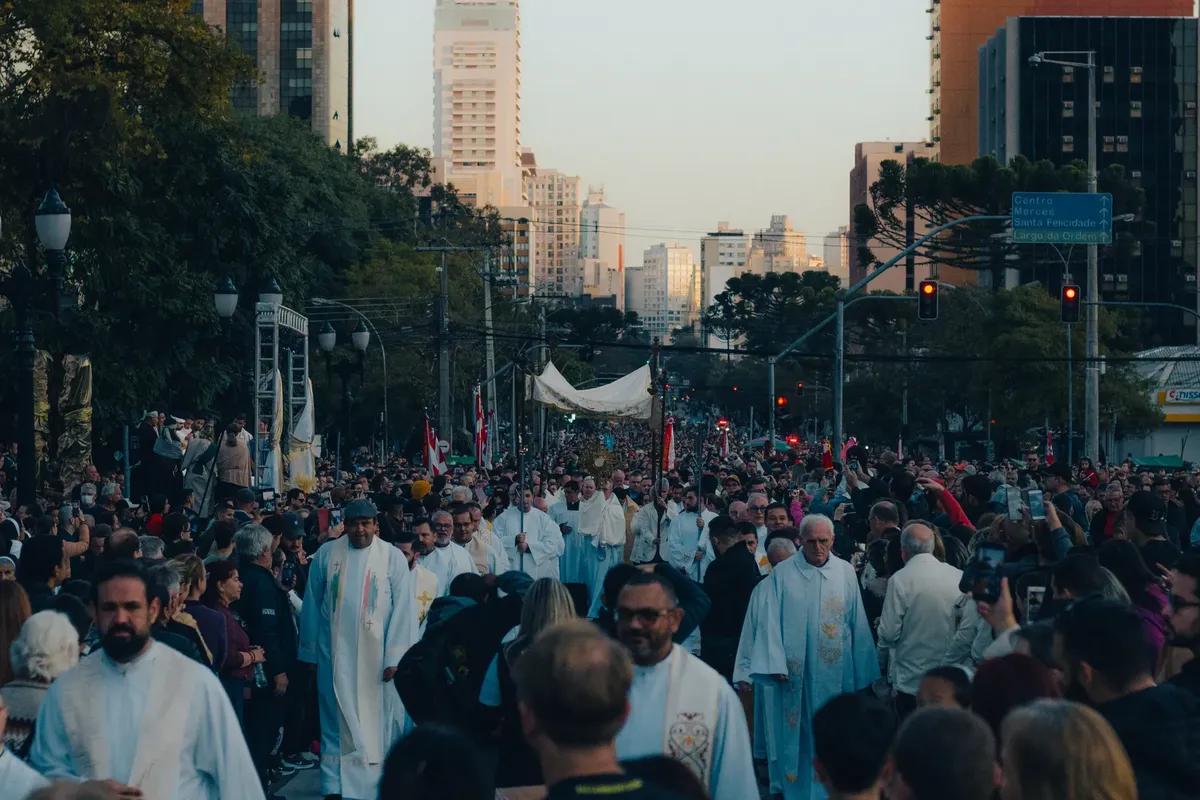
The coexistence of these forces is not a zero-sum game but a constant negotiation. While the influence of the church in political and legal spheres has diminished in many areas, religious symbols and holidays remain deeply embedded in the national identity.
This allows for a dual reality where secular laws and religious traditions inhabit the same geography.
The tension is often managed through a respect for private belief and public secularism. This balance allows individuals to maintain their personal faith while participating in a society that operates on secular principles.
The result is a multifaceted culture where the sacred and the profane frequently overlap.
What are the practical implications of these shifts?
A student prepares for an exam in a library, reflecting on the changing social landscape of their country. Understanding these shifts requires looking at the practical realities of modern life.
To understand the changing landscape, one can observe three key areas: 1. The decline in formal religious participation in favor of private spirituality. 2. The increasing influence of secular ethics in public policy and social movements. 3.
The role of digital platforms in spreading both traditional and new belief systems.
A final check involves assessing how these changes affect community cohesion and individual well-being. While the shift toward secularism can create a sense of disconnection for some, it also opens doors for new forms of community and identity.
| Metric | Value |
|---|---|
| Total Population (2025) | 49,355,143 |
| Internet User Share (2024) | 95.8% |
I noticed during my own observations that the digital landscape is just as influential as the physical one in shaping modern perspectives.
A limitation of this analysis is that it cannot account for the specific regional variations in religious intensity across different parts of the country.
- How does Spain religious secularization manifest in daily life?
- What defines modern faith in Spain?
- How do digital trends influence secular trends in Spain?
The same subject is also called Spain faith coexistence.
The same subject is also called Modern belief Spain.
The same subject is also called Secular trends Spain.
The same subject is also called Religious shift Spain.
This part also covers Spain society religious change.
This part also covers Secularism and belief Spain.
Related
Comments 0